27,773 foreigners face deportation over biometric deadline
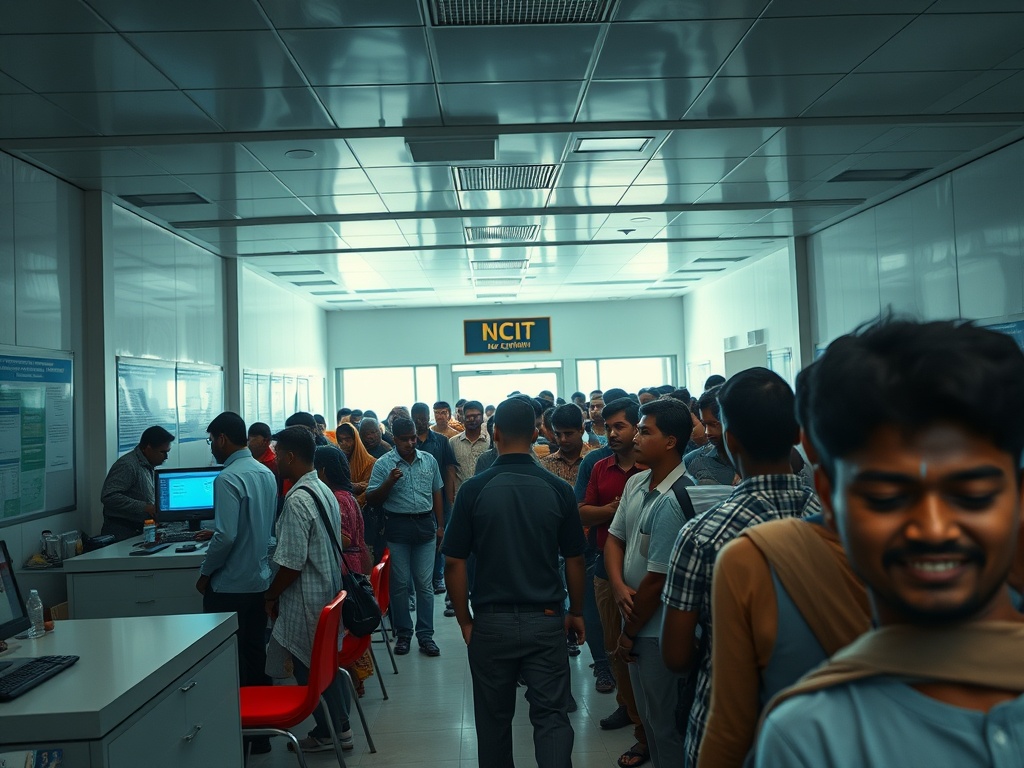
Walking through Malé's narrow streets today, you can feel the weight of this announcement in the humid air. The familiar sounds of construction continue—Bangladeshi workers mixing cement, Indian technicians installing cables—but there's an unease beneath the surface. For months, we've watched the queues at the NCIT building's Job Center, the slow procession of foreign workers providing fingerprints and photos under Operation Kurangi. Now, with November 15th approaching, 27,773 people face an ultimatum that could upend their lives and disrupt our economy.
This isn't just about compliance with regulations. In our small island nation, where foreign workers outnumber citizens in some sectors, this biometric drive touches something deeper about how we manage our sovereignty while acknowledging our dependence. The construction that reshapes our skyline, the restaurants that feed us, the resorts that drive our economy—all rely on these 27,773 individuals who now have three weeks to prove they belong here legally. The MVR 50,000 fines hanging over their 3,942 sponsors represent more than just financial penalty; they're a statement about responsibility in a system where sponsorship sometimes feels like paperwork rather than genuine oversight.
I think of the conversations I've overheard in coffee shops—Maldivian business owners worrying about projects stalling, foreign workers nervously checking documents on their phones. There's a shared understanding that we need these workers, yet also a collective relief that someone is finally tracking who exactly is living among us. After years of hearing about undocumented migrants slipping between islands, about the drug networks that exploit weak border control, this biometric push feels like closing a door we've left open too long.
But as the deadline looms, I can't help but wonder about the human stories behind these numbers. The Sri Lankan cook who's been here ten years, the Bangladeshi mason sending money home to his family, the Indian accountant who learned Dhivehi. For them, this isn't just bureaucratic procedure—it's the difference between continuing to build lives here or being forcibly returned to countries they may barely remember.
The ministry says this operation has been successful, that the database is nearly complete. Yet standing at the harbor, watching the speedboats come and go, I feel the complexity of our situation. We are an island nation learning to balance our open doors with our need for security, our economic realities with our cultural preservation. However this November deadline resolves, it represents a moment of reckoning for how we manage the foreign presence that both sustains and challenges our Maldivian way of life.