30-Minute Buses to the Airport, But First, the Wait in Malé
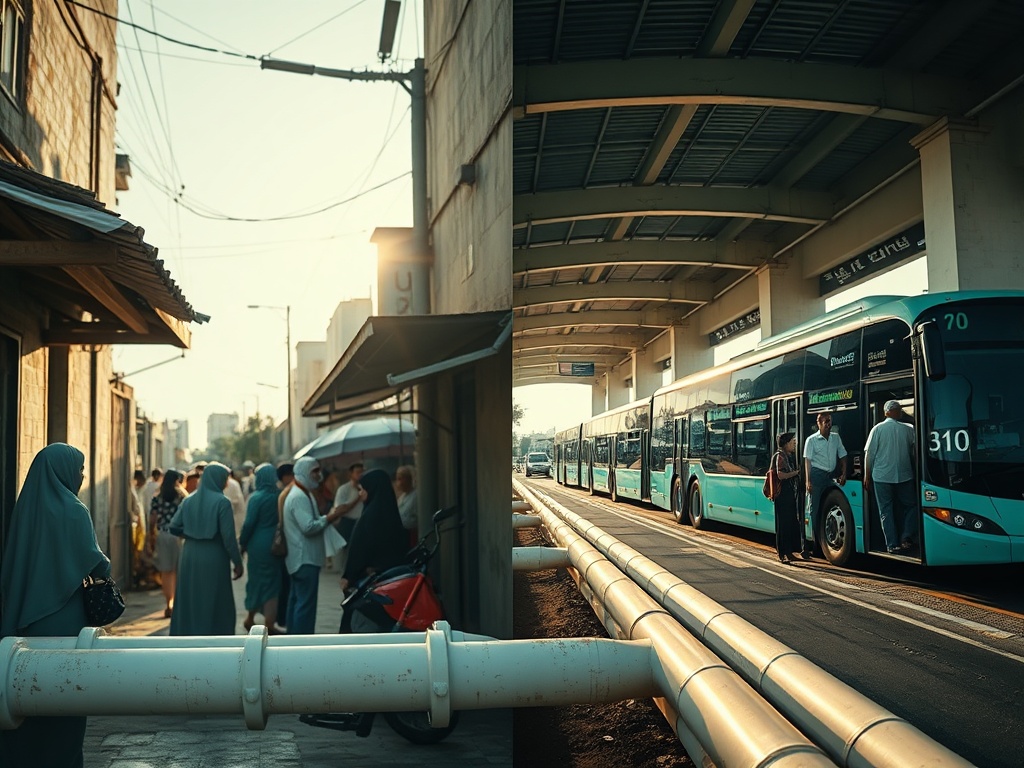
The simple question of bus schedules between Malé and Hulhumalé reveals more than just transportation logistics—it speaks to the broader infrastructure realities facing Maldivians. While Hulhumalé enjoys regular bus service to the airport with departures every 30 minutes, the original capital of Malé must make do with just one bus per hour to the same destination. This disparity, noted by residents in online discussions, highlights how new developments often receive preferential treatment while established communities face service stagnation.
The infrastructure conversation extends beyond transportation to the very pipes that deliver water to Maldivian homes. The widespread use of PVC piping, while practical for island conditions, raises questions about long-term water quality and environmental impact. As one observer pointed out, "PVC has chlorine. Almost all the water we use comes out of PVC pipes"—a simple statement that belies complex considerations about public health infrastructure and material choices in a nation where freshwater resources are precious.
Meanwhile, local governance continues to address these challenges through formal channels. Recent City Council meetings have included public hearings on substantial infrastructure investments, including a proposed $3.6 million recycling facility that represents a significant step toward sustainable waste management. Such projects, while necessary, also prompt discussions about fiscal responsibility and long-term planning in a nation grappling with economic pressures.
Parallel to these municipal discussions, national institutions are also undergoing operational reviews. The Local Policing Conference at Paradise Island Resort brings focus to strengthening police operations, indicating recognition that public safety and community infrastructure are interconnected priorities. The bureaucratic processes that residents navigate—from utility applications to service requests—form the invisible architecture of daily life, often taken for granted until they fail to meet expectations.
These infrastructure conversations, playing out across different levels of Maldivian society, reflect a nation balancing modernization with equity, efficiency with accessibility. The patterns that emerge—whether in transportation schedules, water systems, or public services—tell a story about how development priorities are set and which communities benefit most from public investment.
— Source fragments: Bus schedule differences between Malé and Hulhumalé; PVC pipes and water quality; City Council infrastructure discussions