76 Seats in Parliament, One Crowded Island
The Maldivian constitution guarantees freedom of movement as a fundamental right, yet this constitutional promise increasingly collides with the practical realities of housing shortages, economic disparities, and political calculations. With 76 out of 93 parliamentarians representing constituencies across the archipelago, the legislative power exists to transform residency rights through bills ensuring equal living standards for all citizens.
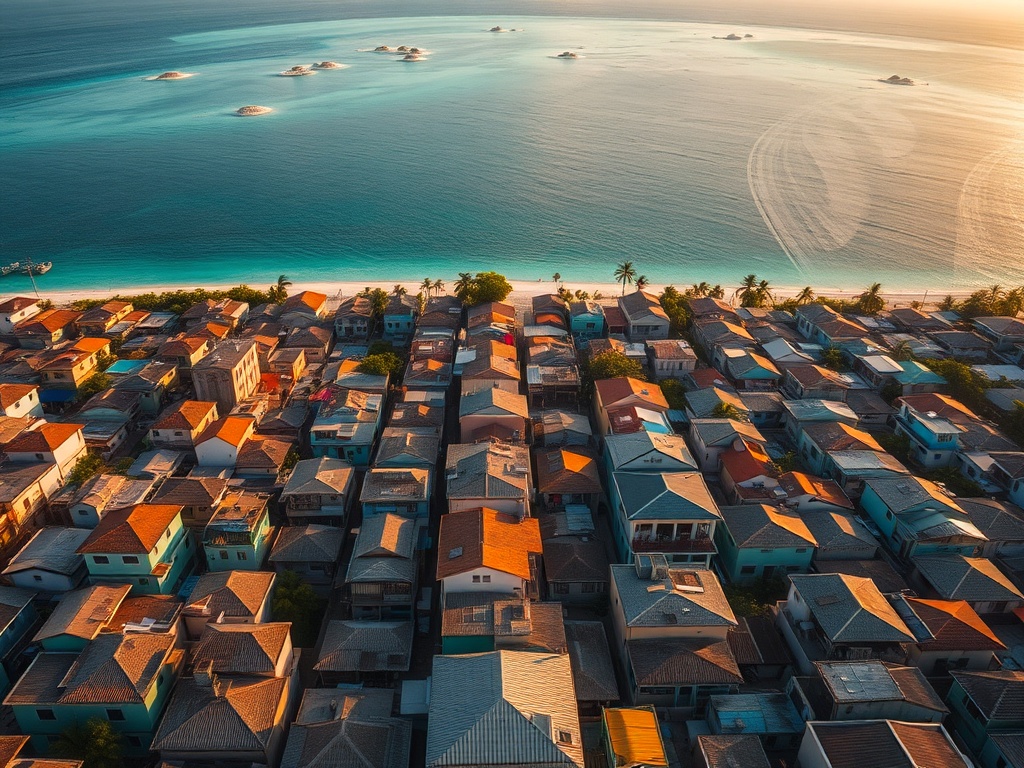
The debate around abolishing permanent address requirements touches on deeper questions of belonging and opportunity in a nation where geography often determines destiny. In the congested capital of Malé, where housing crises affect both locals and expatriates, the constitutional right to move freely becomes complicated by the scarcity of decent living conditions. Government housing projects, often politicized and subject to abuse, highlight how even well-intentioned policies can be undermined by systemic issues.
This tension between constitutional ideals and daily realities reflects broader patterns in Maldivian governance. The gap between legal guarantees and their implementation reveals how rights can become theoretical when not supported by adequate infrastructure and political will. The call for publicly accessible information about elected officials speaks to a growing demand for transparency in a system where accountability often feels elusive.
As youth face unemployment and limited opportunities, the freedom to move within one's own country takes on urgent significance. The ability to relocate for education, employment, or better living conditions represents more than just constitutional language—it embodies the practical means through which citizens can pursue dignity and economic security. Yet this mobility remains constrained by housing shortages, economic pressures, and the concentration of opportunities in specific regions.
The conversation around internal migration rights intersects with concerns about governance efficiency, public sector bloat, and the politicization of basic services. When housing becomes a political tool rather than a fundamental right, the constitutional guarantee of movement becomes hollow. The challenge lies not in rewriting the constitution, but in creating the conditions where its promises can be realized through practical policies that address the root causes of housing inequality and regional disparities.
In a nation grappling with high living costs, foreign currency shortages, and systemic governance challenges, the right to move freely within one's country represents both a legal principle and a test of the social contract. As Maldivians navigate these complex issues, the conversation continues to evolve from abstract rights to concrete demands for implementation that serves the public interest rather than political expediency.
— Source fragments: Internal immigration and freedom of movement is a fundamental right guaranteed by the constitution; Make a bill that gives equal decent living rights; make it publicly accessible for all; what kind of people they are