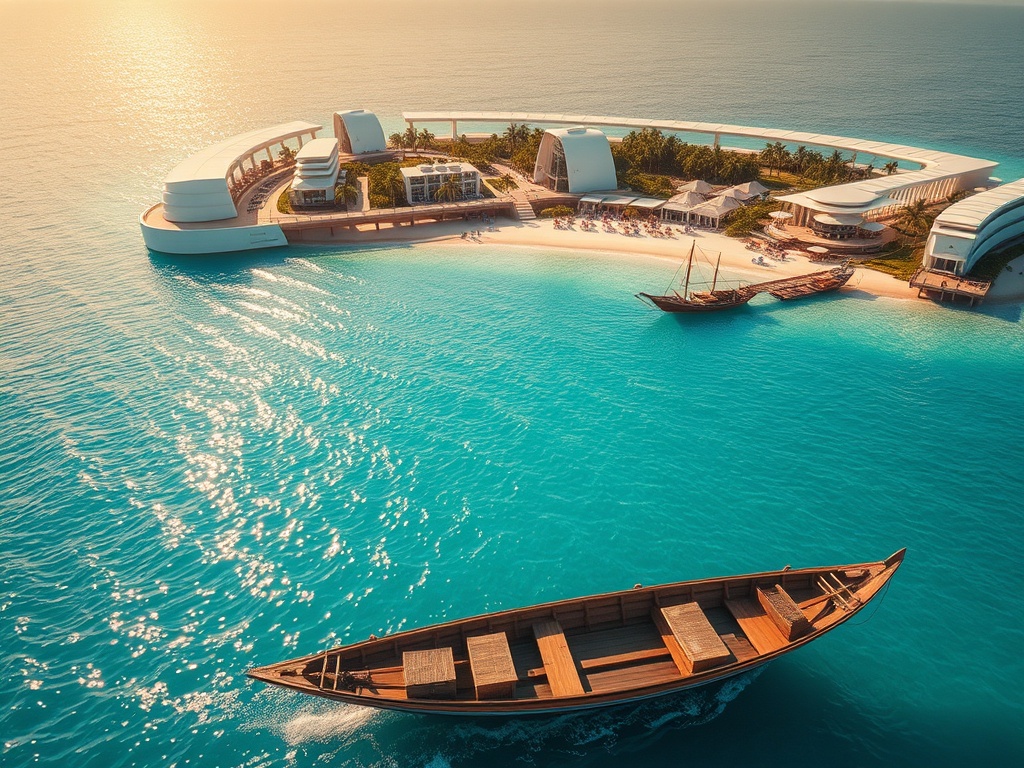
A City Between Vaadhoo Kandu and Malé’s Shadow
The proposal for Rasmalé to stand as an independent city rather than an extension of Malé has ignited crucial conversations about urban planning and national development. Critics point to geographical reality—the significant water barriers of Vaadhoo Kandu and Emboodhoo Falhu separating the two areas—as evidence that administrative separation makes practical sense.
This discussion reflects a broader rethinking of the Maldivian urban model. The consensus emerging among observers is that density need not equal congestion, and that smart scaling can preserve cultural identity while accommodating growth. The challenge lies in creating urban spaces that serve multiple purposes—from providing bicycle parking and community gathering spots for elderly residents to addressing the chronic housing shortage that plagues the capital region.
The debate has shifted toward questioning who these new developments ultimately serve. Concerns have been raised about whether future cities might become enclaves for expatriates rather than solutions for local communities. This highlights the need for nuanced planning that considers all stakeholders.
Recent government housing initiatives have faced criticism for being politicized, with subsidized flats sometimes being subleased for profit rather than solving housing needs. This pattern underscores why new urban developments must be designed with clear community benefits and anti-speculation measures.
The conversation has evolved beyond simple infrastructure to question the fundamental philosophy behind urban expansion. Rather than merely redirecting population flows within the Greater Malé Area, the focus is shifting toward creating self-sufficient communities with their own identities, services, and economic opportunities.
As Maldives confronts its urban future, the Rasmalé discussion represents a pivotal moment—an opportunity to learn from the congestion and planning challenges of Malé while creating spaces that truly serve the people who will inhabit them. The path forward requires balancing immediate housing needs with long-term vision, ensuring that new cities enhance rather than diminish quality of life for all Maldivians.
— Source fragments: Male' City should have no claim to Rasmale'. It should be a freestanding city. Even geographically it's way out of Male' jurisdiction. There's the whole Vaadhoo Kandu and Emboodhoo Falhu in between. | I think it's really about finding the right balance. Male' is not the right model for our country, and density doesn't have to equal congestion and chaos. We can still scale up smartly without losing who we are. | I live nearby and get space for my bike, the old folk loving have it there to sit and relax, empty space like that is scarce in the city. Sometimes we have to think bigger maybe