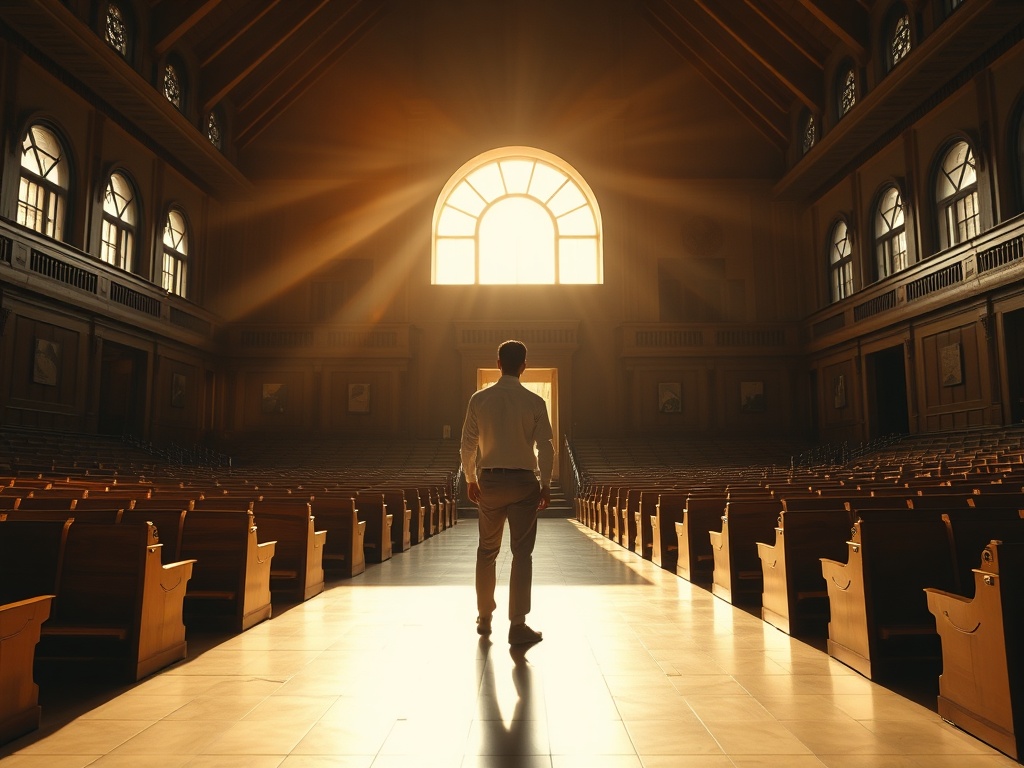
A Generation Waits at the Empty Majlis Doorway
In the Maldives, the rhythm of political life is often measured in five-year cycles, each culminating in a national referendum on leadership. Yet, as the country approaches the 2028 presidential election, a new undercurrent is emerging—not just of partisan strategy, but of profound voter fatigue and a search for political reset. The conversation is no longer solely about who will win, but about what the nation stands to gain, or lose, in the process of choosing.
The prevailing sentiment is one of exhaustion with recycled options. The notion that both major political forces have, at different times, been "rejected by the electorate" points to a deep-seated disillusionment. Voters feel trapped in a binary that offers diminishing returns. This fatigue is catalyzing a quiet, yet insistent, call for renewal. "It’s time for a fresh and younger candidate to be brought forward," the argument goes—a plea not merely for new faces, but for new ideas, unburdened by the baggage of past administrations and their perceived failures.
This desire for change, however, is tempered by a starkly pragmatic view of political consequences. The calculus extends beyond the presidency to the Majlis, the People’s Majlis. There is a growing recognition that granting a parliamentary supermajority to any single party—whether ruling or opposition—creates its own set of problems. A legislature dominated by the executive branch risks becoming a rubber stamp, while one controlled entirely by the opposition can descend into gridlock and "chaos." The ideal, as voiced by some, is a "free parliament," one capable of genuine oversight and balanced debate, acting as a necessary check rather than a captured prize.
This pragmatism even filters down to local politics, where support can be as personal as it is ideological. Backing a mayoral candidate "only because he is my neighbor" reflects a hyper-localized trust calculus, a departure from grand national narratives. It speaks to a desire for representation that feels accessible and accountable, a sentiment that national parties would do well to heed.
The road to 2028, therefore, is not a straightforward sprint. It is a complex navigation between the desire for new blood and the fear of destabilizing consequences. It asks whether major parties have the internal dynamism to cultivate and elevate a new generation of leaders who can articulate a vision beyond the old rivalries. For the electorate, the coming choice may hinge less on fervent loyalty and more on a cold assessment of which outcome—which combination of presidency and parliament—best preserves the space for accountability, debate, and ultimately, a healthier democracy. The search is on not just for a winner, but for a sustainable mandate.
— Source fragments: PNC will likely have the opportunity to nominate a younger presidential candidate in 2033, since Muizzu is projected to lose the 2028 election and a primary is expected for 2033. But MDP members won’t get that same chance in 2033 if the party wins in 2028 cause 2028 winner also / Both have been rejected by the electorate. MDP has other potential candidates. It’s time for a fresh and younger candidate to be brought forward. / i dont regret voting for him, solih had to go giving him second chance would have been worse giving Majlees to the ruling party is a problem but giving it to opposition also only creates chaos. A free parliament is required. / I am supporting adam azim in the mayoral elections. Only because he is my neighbor. Idk his qualifications. Respect thy neighbors.