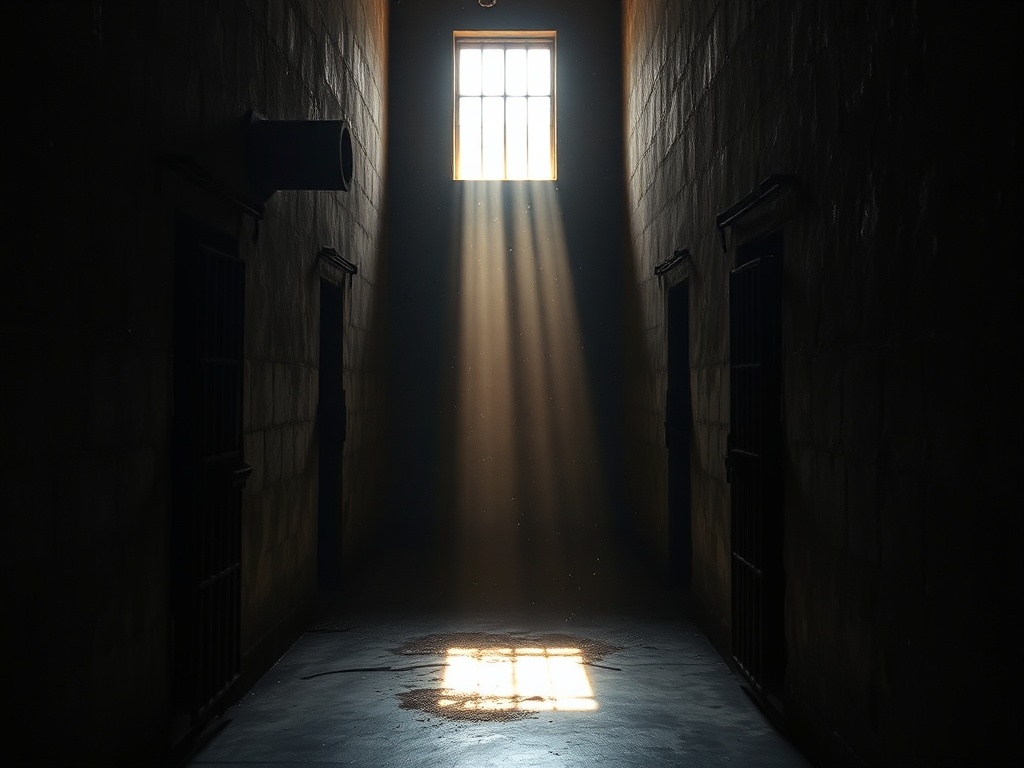
A Girl's Minor Infraction, Months in a Malé Cell
The case of the young girl prosecuted for a minor infraction—one involving no violence, injury, or property damage—has become emblematic of broader concerns about justice in the Maldives. Her situation echoes through online discussions, where citizens note the apparent inconsistency: while some face severe consequences for trivial offenses, others implicated in major scandals or even historical events walk free after returning stolen funds or due to political connections.
This disparity fuels the #EndVaanuvaa movement, which highlights the conditions within Malé's detention facilities. Prisoners are reportedly held indefinitely without trial in overcrowded cells with leaking water, deprived of adequate yard time and multiple basic rights. Those who have visited or experienced the system firsthand describe it as fundamentally inhumane, arguing that every accused person deserves dignity and a fair trial regardless of their alleged crime.
The debate reveals a justice system perceived as operating on two tiers. On one level, there's the theoretical framework of laws and procedures. On another, there's the practical reality where political show trials deliver rushed verdicts, where the well-connected secure different outcomes, and where indefinite remand becomes a form of punishment before conviction.
Critics argue that the system's flaws are easier to ignore when they don't affect one's own family. Yet the growing movement suggests more Maldivians are recognizing that injustice against anyone ultimately weakens justice for everyone. The call isn't for abandoning accountability, but for ensuring it comes through transparent processes, timely trials, and humane treatment that respects the fundamental dignity of every person caught in the legal system.
As these discussions circulate online, they reflect a society grappling with how to balance security with freedom, accountability with mercy, and political expediency with principled justice. The solution, many suggest, lies not in abandoning justice but in pursuing it more faithfully—through fair trials, transparency, and an end to the practice of indefinite detention that has come to symbolize the system's deepest failures.
— Source fragments: Prosecuting young girl for minor infraction; indefinite detention in Vaanuvaa; overcrowded cells with water leaks; political show trials; unequal justice for connected individuals; calls for fair trials and dignity