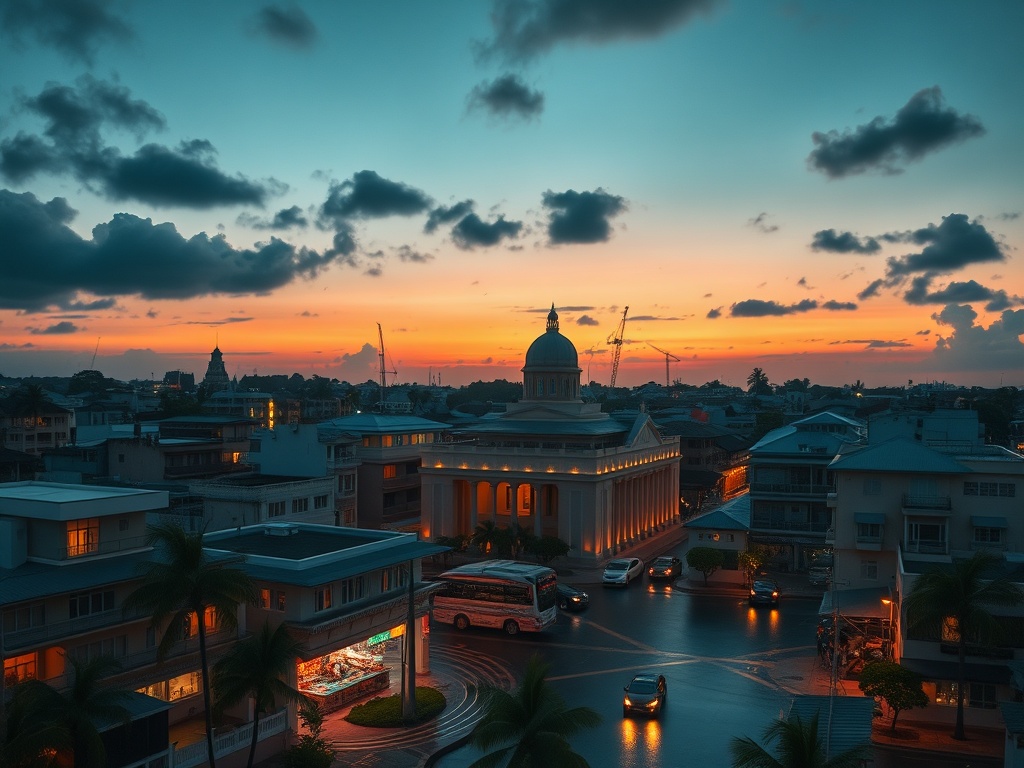
A Housing Bill Rushed Through Parliament as Malé's Lights Turn On
The debate erupting over the new Housing Bill currently being fast-tracked through Parliament is framed in familiar terms: the rights of 'Malé Meehaa' versus those from the atolls. But to view this solely through a geographic lens is to miss the deeper, more systemic crisis. The real contention is not about who gets what for free, but about the principles of fairness and the economic realities that successive governments have failed to address.
Critics argue that policies like the previous administration's housing scheme, while conceptually sound in addressing a genuine need, were implemented in an obviously unconstitutional and biased manner. This pattern of politicizing housing—using land and flats as electoral bargaining chips—has eroded public trust. The core demand emerging from the public discourse is not simply land, but equitable policy. The sentiment is clear: people can demand whatever they want, but the government's framework must be fair, without discrimination based on birthplace or profession.
The economic dimension is equally critical. The simplistic solution of giving away free land collides with basic market principles. When demand for housing in Malé vastly outstrips supply, imposing price controls or free allocation below market rates often backfires, creating black markets and worsening affordability for everyone. A more effective approach, as seen in other countries, involves regulating rent increases and creating a transparent, standardized system for social housing. The current bill's attempt to mandate a national housing survey and development plan is a step toward this needed data-driven approach.
Furthermore, the narrative that pits 'Malé Meehaa' against the rest obscures the complex reality of the housing economy. While land ownership in the capital may be concentrated, the real estate development and rental management industry involves investors and workers from across the archipelago. The income generated is not confined to one group. This highlights the need for a holistic, national strategy where every Maldivian, regardless of their island of origin, has a clear and fair pathway to secure housing.
The ultimate blame for the protracted crisis lies not with citizens who seize opportunities presented to them, but with governments that have consistently failed to implement a sustainable, long-term solution. The solution requires moving beyond divisive rhetoric and electoral gimmicks. It demands a depoliticized, evidence-based national housing policy that addresses market distortions, promotes equitable development across all islands, and finally treats housing as a fundamental right, not a political reward.
— Source fragments: its not they don't know. people have eyes and can see that Male' is full. What people are demanding is money... policies has to be fair; MDP goathi scheme is actually a v good policy bec it solves a problem... implemented in an obviously unconstitutional and biased way; When demand far exceeds supply, setting a price ceiling below the market rate is rarely effective; this Rent business is not a 'Male’ Meehaa' business... real income from rent is not; PNC is fast-tracking through the Housing Bill; Criteria for housing must not be where one was born; The bill aims to standardise housing schemes... present a National Development Plan; We shouldn’t blame Malé citizens. Real blame lies with successive gov that failed to fix the housing crisis.