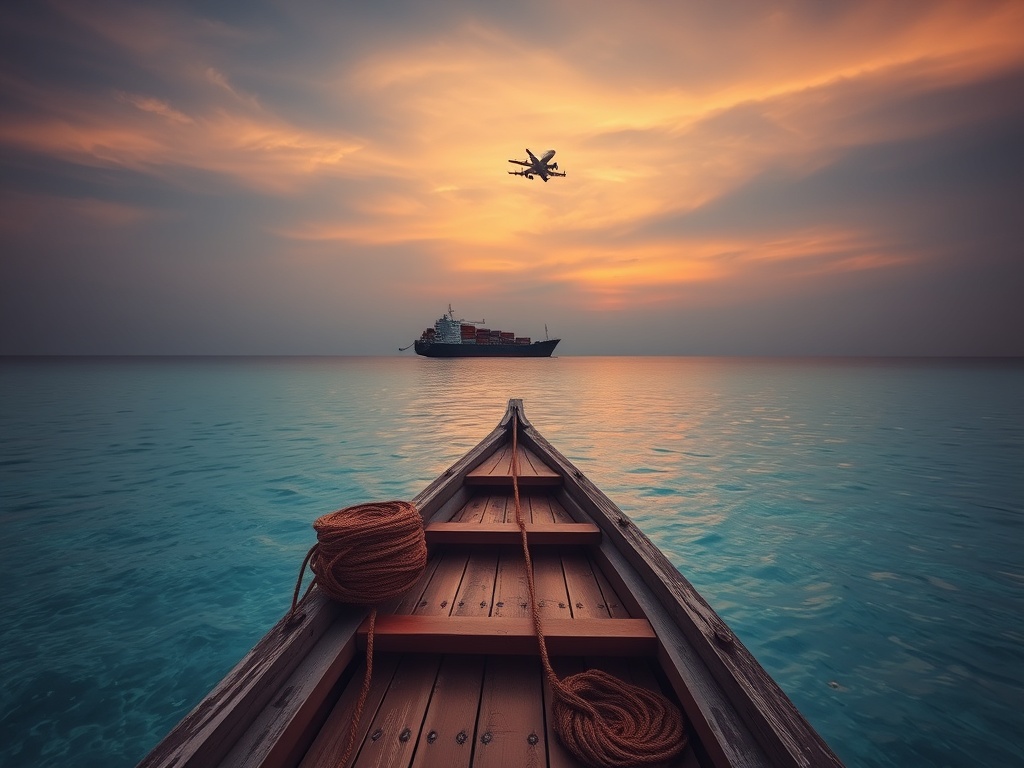
A Maldivian Abroad Can Finally Afford the Shrimp
The irony is as rich as the sea that surrounds us. A Maldivian, speaking from abroad, marvels at finally being able to afford the bounty of the ocean—shrimp, crab, clams, oysters—a luxury ironically out of reach in a nation defined by 99% water. This simple observation, shared with a resigned laugh, opens a floodgate of connected frustrations that speak to a national moment of reckoning.
It’s a sentiment that immediately finds resonance. "Wild how we depend on imports and never tap into our own potential," comes the reply, capturing a collective exasperation. The discussion quickly moves from the dinner plate to the ballot box, illustrating how deeply economic anxiety is woven into the social and political fabric. Inflation, the rising dollar rate, and the resulting squeeze on living standards are not abstract policy debates; they are the daily reality determining how people vote in local council elections and coloring their view of the ruling administration.
This economic pressure cooker is forcing a kind of mass introspection. "Why is everyone having a midlife crisis at the same time?" one voice wonders aloud. The answer seems clear: the country's economic situation is finally pushing a population to think critically about its direction, its dependencies, and its governance. The conversation highlights a central tension in development discourse here: the gap between national potential and individual agency. The suggestion that the state—"sircar"—must play a facilitating role in unlocking local resources like fisheries or agriculture is often met with the lazy stereotype of the indolent Maldivian. Yet, the counterpoint is pragmatic: without systemic support, tools, and knowledge transfer to the common citizen, how can potential ever be realized?
This theme of systemic failure versus individual resilience extends beyond seafood. Another contributor applies the same logic to the aviation sector, a critical artery for tourism and connectivity. Customers, they note, will gravitate toward cheap and reliable service, a principle recently tested. When a dominant provider stumbles, the market doesn't automatically correct itself; competing requires a landscape shaped by fair policy and intervention. The underlying message is that in a small, vulnerable economy, laissez-faire is a luxury that leaves everyone exposed.
Together, these fragments paint a picture of a society caught between its geographic identity and its economic reality. The sea, once a source of sustenance and identity, now symbolizes a paradox of lack amidst abundance. The political and economic choices of recent years—heavy import reliance, foreign currency shortages, and a cost-of-living crisis—are not just statistics but lived experiences that erode trust and fuel a pervasive sense of instability. The laughter that punctuates these observations isn't one of humor, but of weary recognition. It’s the sound of a population doing the math on its own future and finding the sums increasingly difficult to balance.
— Source fragments: 1. Irony of eating affordable seafood abroad while being from a sea-rich nation. 2. Critique of import dependency and the need for state facilitation to unlock local potential. 3. Linking inflation, dollar rates, and declining living standards to political choices and voting behavior. 4. Observation that the economic situation is causing widespread societal introspection. 5. Analysis of market competition in aviation, underscoring the need for effective governance for fair outcomes.