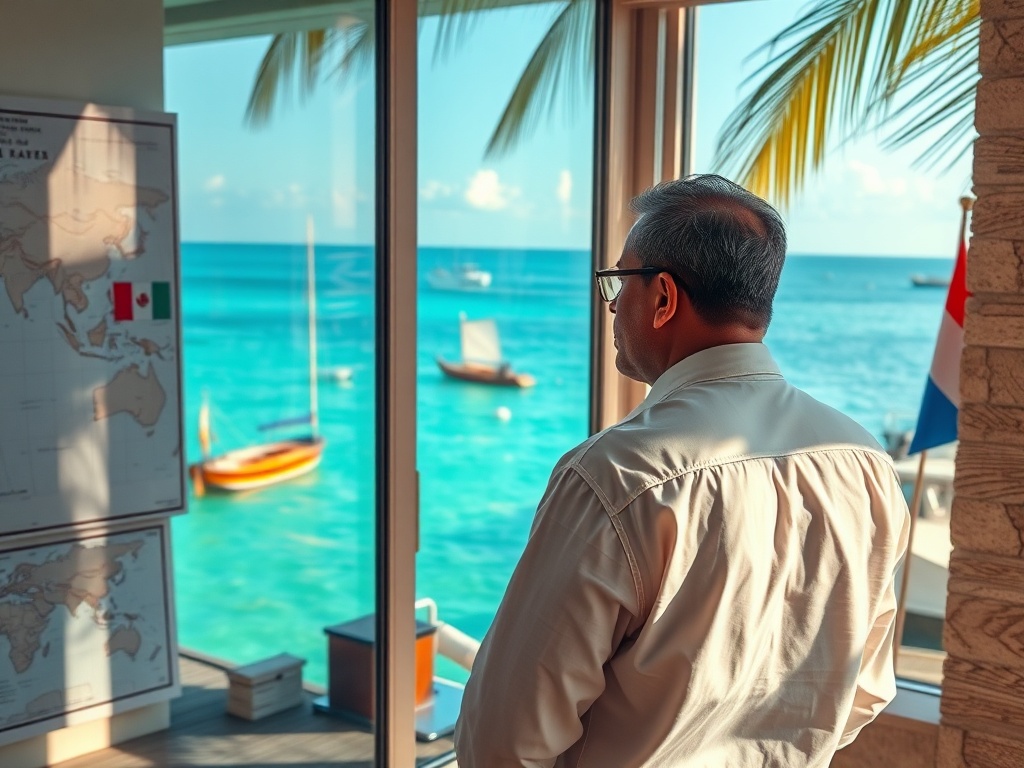
A Maldivian Diplomat's View from Malé's Crowded Shoreline
In the intricate chessboard of international relations, small states like the Maldives operate with limited pieces but must play with exceptional strategic foresight. The current global landscape presents both unprecedented challenges and opportunities for island nations navigating between superpowers.
The fundamental reality for small states is that their security and prosperity often depend on relationships with larger powers. Singapore's military strategy, for instance, reflects its position as a strategic maritime hub—a reality that resonates with the Maldives' own geographic significance in the Indian Ocean. Both nations understand that location dictates certain strategic imperatives, though their approaches may differ based on historical context and national priorities.
Diplomacy remains the primary tool for small states, but as one observer noted, sometimes 'applied diplomacy'—backed by strategic positioning and clear national interests—becomes necessary. The Maldives' recent foreign policy shifts reflect this calculus, balancing relationships with regional powers while asserting sovereign choices.
The technological revolution adds another layer of complexity. As artificial intelligence and advanced manufacturing become the new frontiers of global competition, small states must consider how these developments affect their economic futures. The emergence of Chinese flying car factories and AI platforms represents not just technological advancement but potential shifts in global economic leadership that could reshape trade patterns and investment flows.
Meanwhile, the very definition of national identity and sovereignty is being tested. The contrast between immigrant-founded nations like the United States and historically homogenous societies like the Maldives highlights different approaches to citizenship and belonging. For small island communities, preserving cultural identity while engaging with global systems requires careful navigation.
Human rights mechanisms like the Universal Periodic Review offer platforms for small states to engage internationally, but the real work happens in bilateral relationships and regional alliances. The discussion around potential partnerships—whether with Israel via intermediary states or through existing regional frameworks—reflects the constant recalibration required in small-state diplomacy.
Ultimately, the Maldives' challenge mirrors that of many small nations: maintaining sovereignty while engaging productively with larger powers, preserving cultural identity while benefiting from global connectivity, and leveraging geographic significance without becoming merely a strategic pawn in others' games. In this delicate balancing act, the wisdom lies in recognizing that while small states cannot dictate global outcomes, they can craft sophisticated strategies that maximize their agency in an interconnected world.
— Source fragments: Singapore spends a lot on their military because it's a Western client state that's strategically located; Yes diplomacy. Maybe that time we used pure diplomacy. This time we may have to use applied diplomacy; Fair, but Nigeria and Venezuela are countries far bigger than Maldives; All China has to do to finish the US as a global power, at this stage, is to come up with a new and advanced AI platform; America was built on immigration. It literally defines their civic identity. Citizenship there is a legal contract, not a cultural belonging. The Maldives is a small island community