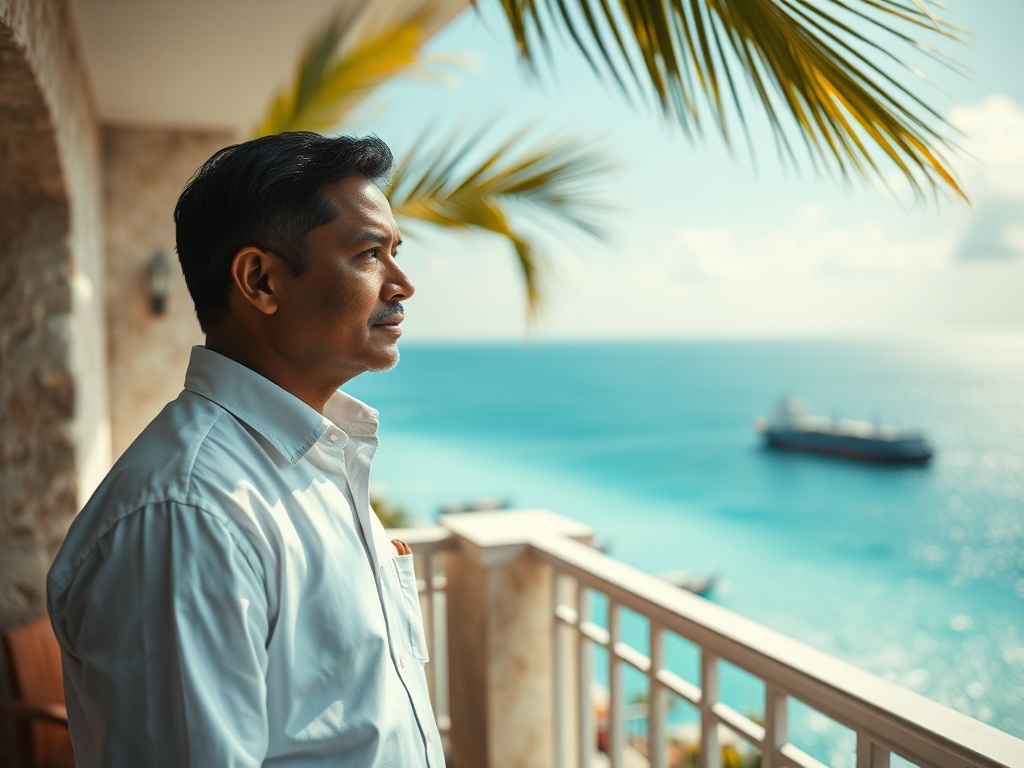
A Maldivian Diplomat's View of Distant Shipping Lanes
In the intricate dance of global politics, small island nations often find themselves navigating currents created by much larger powers. The recent discussions among observers highlight a fundamental tension: how does a nation with limited resources and territory maintain its sovereignty while engaging with global power structures?
The Maldives, like many small states, faces this dilemma acutely. With strategic location in vital sea lanes and an economy heavily dependent on tourism and foreign currency, every diplomatic gesture carries weight. The conversations reflect a pragmatic understanding that in international relations, size matters—but so does positioning.
Recent debates have centered on the nature of alliances and the calculus behind military spending. Some argue that strategic location transforms even small nations into important players, as evidenced by discussions about Singapore's military investments tied to its position along crucial trade routes. Others point to the limitations of small states in confronting superpowers directly, noting that larger nations with substantial resources have more leverage in international conflicts.
This tension between agency and constraint defines the foreign policy challenges facing many small nations. The question isn't simply about choosing allies, but about understanding how to maintain independence while securing necessary partnerships. Some voices suggest direct alliances might replace indirect engagement through intermediary nations, reflecting impatience with complex diplomatic choreography.
The human rights dimension adds another layer to these calculations. As the Maldives undergoes its Universal Periodic Review at the Human Rights Council, the international community's scrutiny intersects with domestic governance concerns. How a nation treats its citizens becomes part of its global standing, affecting everything from tourism to investment.
Meanwhile, technological competition between major powers presents both risks and opportunities. The race for AI supremacy and advanced manufacturing could reshape global power dynamics in ways that affect even the most distant nations. For countries dependent on foreign technology and investment, these shifts require careful navigation.
At the heart of these discussions lies a fundamental question about national identity in a globalized world. Some contrast the immigrant-based civic identity of nations like America with the more culturally homogeneous societies of island nations. This distinction influences how countries approach everything from immigration policy to international relations.
As power dynamics continue to evolve, small nations must balance multiple considerations: maintaining cultural identity while engaging globally, preserving sovereignty while forming necessary alliances, and developing domestic capacity while recognizing the realities of limited resources. The path forward requires not just diplomatic skill, but a clear-eyed understanding of both opportunities and constraints in an interconnected world.
— Source fragments: Discussions about Singapore's military strategy, comparisons between nation sizes and influence, observations about diplomatic approaches, mentions of international human rights reviews, and reflections on national identity differences