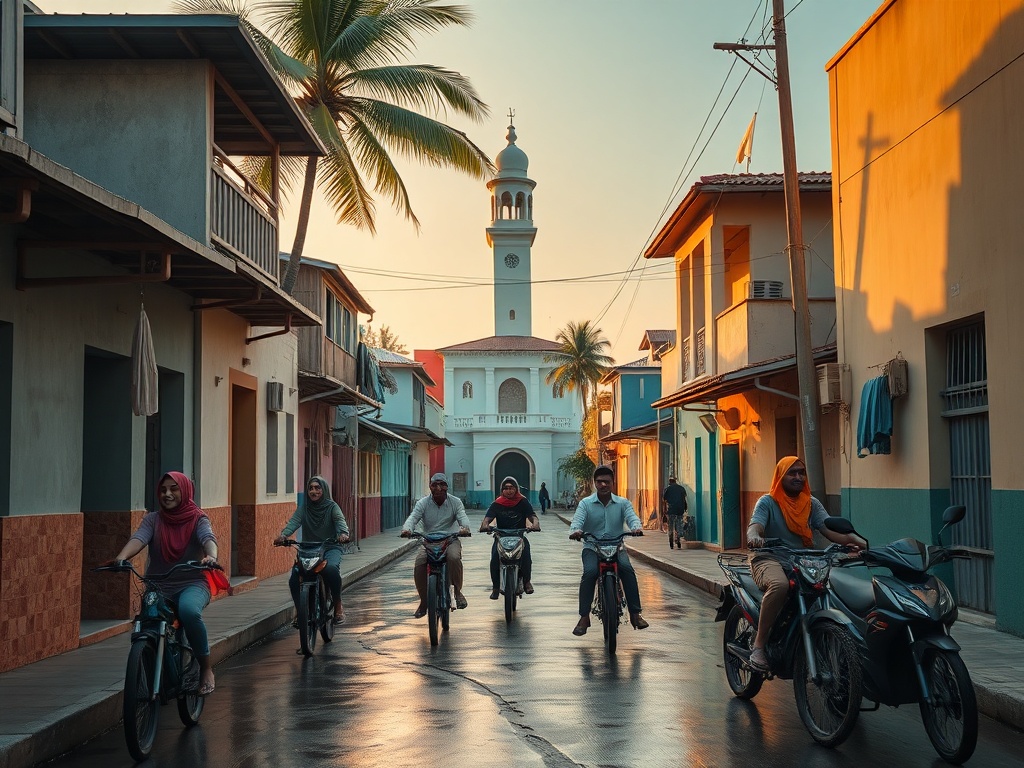
A Nation of 100% Muslims, a Society of Endless Questions
In the Maldives, where the constitution declares the nation 100% Muslim, faith is not merely personal belief but the bedrock of national identity. This creates a complex landscape where religious conviction intersects with modern challenges, from social media influences to questions of religious freedom and interpretation.
The debate around Islamic principles remains central to public life. For many Maldivians, the Quran serves as the ultimate standard against which all other ideas must be measured—whether scientific theories like the Big Bang or social policies. This perspective views external concepts through a theological lens, requiring alignment with Islamic teachings rather than seeking validation from secular frameworks. The discussion reflects a community determined to maintain religious purity in an increasingly interconnected world.
Meanwhile, social media has introduced new dynamics to religious discourse. Critics note how certain positions—from atheism to political solidarity movements—can become trends rather than deeply held convictions. This creates tension between traditional religious values and modern digital influences, with some viewing these shifts as superficial adoptions rather than genuine belief systems.
Women's rights and religious interpretation also feature prominently in these discussions. The application of Islamic principles to modern life generates debate about interpretation versus imposition, with some viewing certain practices as restrictive while others see them as protective. These conversations unfold against a backdrop of a society grappling with how to preserve religious identity while addressing contemporary social needs.
The constitutional requirement that all citizens be Muslim continues to shape national policy and international perceptions. This unique aspect of Maldivian law raises questions about religious freedom and national identity in a democratic framework, particularly as the country navigates economic challenges and global engagement.
What emerges is a society at a crossroads—proud of its Islamic heritage yet facing inevitable modernization pressures. The challenge lies in balancing unwavering faith with the practical realities of governance, economic development, and social cohesion. As Maldivians navigate these complex waters, the conversation continues about what it means to be both devoutly Muslim and actively engaged with the modern world.
— Source fragments: Religious conviction and national identity; Quran as ultimate standard; social media influences on belief; women's rights and interpretation; constitutional requirements for Muslim citizenship; balancing tradition and modernity