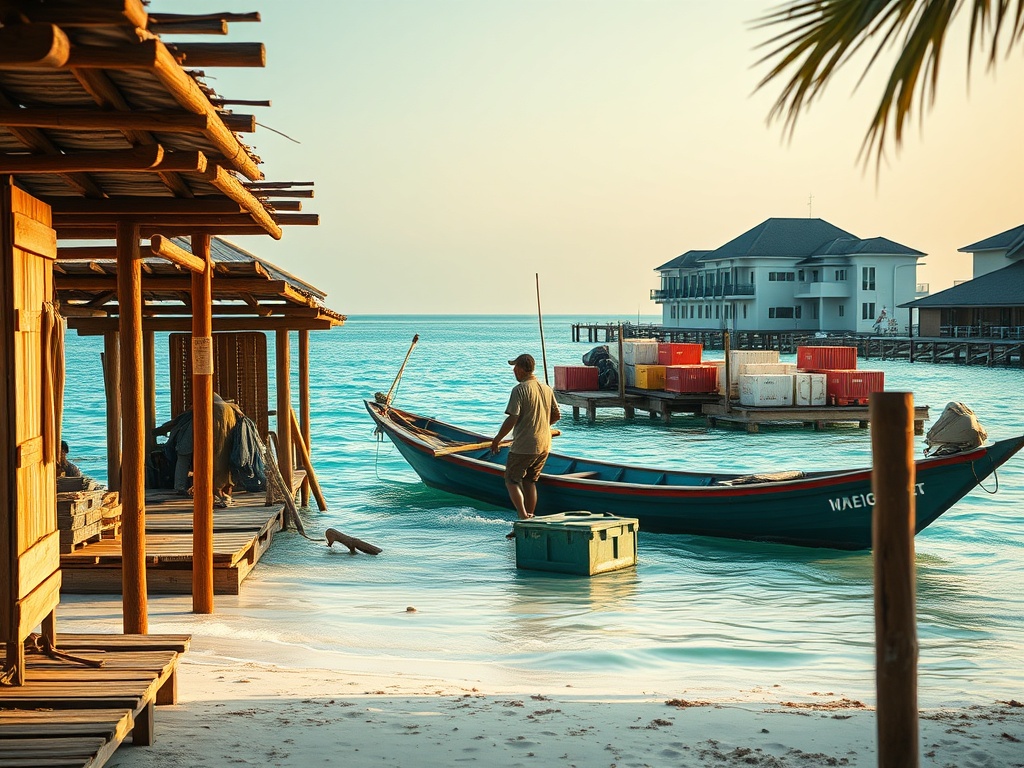
A Nation of Sea That Imports Its Own Fish
The World Bank's recent warnings echo through Malé's crowded streets: debt distress, liquidity strain, and rising fiscal risk. For ordinary Maldivians, these abstract terms translate to a rufiyaa under pressure, prices climbing relentlessly, and revenue promises that evaporated like monsoon rain on hot concrete.
This economic reality creates a peculiar paradox visible across the archipelago. While the country is 99% ocean, resorts import approximately 90% of the seafood served to nearly two million tourists annually. The absence of vibrant seafood markets and restaurants that truly celebrate the nation's marine wealth stands as a testament to systemic failures. How does an island nation surrounded by abundance find itself importing what should be its greatest natural advantage?
The answer lies in the economic architecture. Critics argue that inflation isn't merely a temporary challenge but built into the system itself—a structure where prices keep climbing while citizens keep suffering. The mechanism is familiar: a weaker rufiyaa, soaring inflation, and what many describe as hidden taxes that feel like being punched, then charged a 'service fee' for the experience.
This economic environment breeds skepticism toward major deals, such as the recent Google investment questioned for its modest scale. When ADK Nashid pays comparable amounts for hospital grounds alone, citizens wonder about negotiation competence and transparency. Such deals risk creating black markets and further distorting an already strained economy.
The tourism sector, while generating crucial foreign exchange, sees much of that benefit parked abroad by resort owners rather than circulating domestically. Meanwhile, the Development Bank remains non-operational despite promises, and the government's response to economic challenges often appears reactive rather than strategic.
What emerges is a picture of economic drift rather than governance—a system where new charges appear 'like weeds in the garden' while the fundamental structure remains unchanged. The result is a growing disconnect between the nation's potential and its reality, between its natural wealth and its economic poverty, between the sea that defines it and the seafood it cannot properly utilize.
Until the system addresses these structural flaws, Maldivians will continue to witness their currency shrink, their purchasing power diminish, and their marine resources underutilized—all while the country's natural abundance mocks their economic scarcity.
— Source fragments: The World Bank is warning of debt distress, liquidity strain, and rising fiscal risk. Inflation is up, the rufiyaa is under pressure, revenue promises failed; resorts import 90% of the seafood they feed to almost 2m tourists every year while our country is 99% sea; No administration can fix this country's inflation, it's built into the system; A weaker rufiyaa, soaring inflation, and hidden taxes; it will create a black market; 7.5 million is very little for a google sized investment