A never-ending cycle of ego-driven survival-at-any-cost politics
The voices emerging from Maldivian social media paint a picture of a political landscape caught in what one citizen aptly calls 'a tragedy of epic proportions disguised as heavenly democracy.' This sentiment echoes across multiple comments, revealing a collective exhaustion with the current state of affairs. The pattern is familiar - issues that affect thousands get reduced to 'this party that party' debates, while the real problems facing ordinary people remain unaddressed.
One commenter captures the essence of this frustration perfectly: 'See this is why nothing of this manner will get fixed. The issue in discussion is about thousands of people demanding political posts, but for you both this too has turned into "this party that party" debate.' This reflects a common theme where substantive discussions about governance get derailed by partisan bickering, leaving citizens feeling that their actual concerns are being ignored in favor of political point-scoring.
The feeling of being trapped in this system is palpable. Another voice describes it as 'a never-ending cycle of ego-driven survival-at-any-cost politics that keeps both the leaders and the people trapped in a toxic loop.' This suggests that both politicians and citizens feel stuck in patterns that serve neither group well, yet neither can seem to break free from the established dynamics.
There's also a sense of disconnect between leadership and the people's daily struggles. While official accounts highlight high-level diplomatic meetings and youth parliament programs, citizens are questioning the practical impact. 'Bro, ur been ditched, while president travel around Maldives. Don't you have any values at all,' one comment asks, expressing the feeling that leadership priorities may not align with public needs.
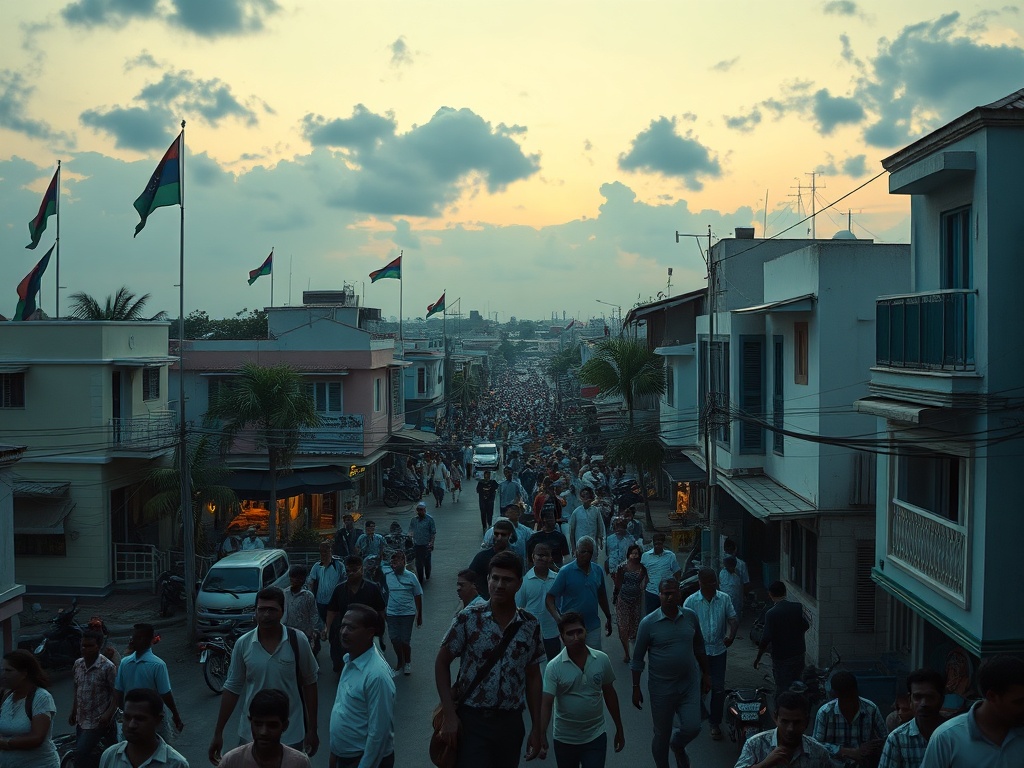
The concentration of people in the Greater Malé region exacerbates these political frustrations with practical problems - housing shortages, congestion, and strained infrastructure create a backdrop of daily struggle against which political debates seem increasingly disconnected. When basic needs go unmet, political rhetoric rings hollow, and citizens grow increasingly skeptical of the entire system.
What emerges is a portrait of a society seeking meaningful change but unsure how to achieve it within the current framework. The call for change is there - 'wee needta change la' - but the path forward remains unclear in a system where, as one commenter puts it, 'our limbic system is constantly hacked and manipulated' by political forces.