A normal civilian's life is not as important?
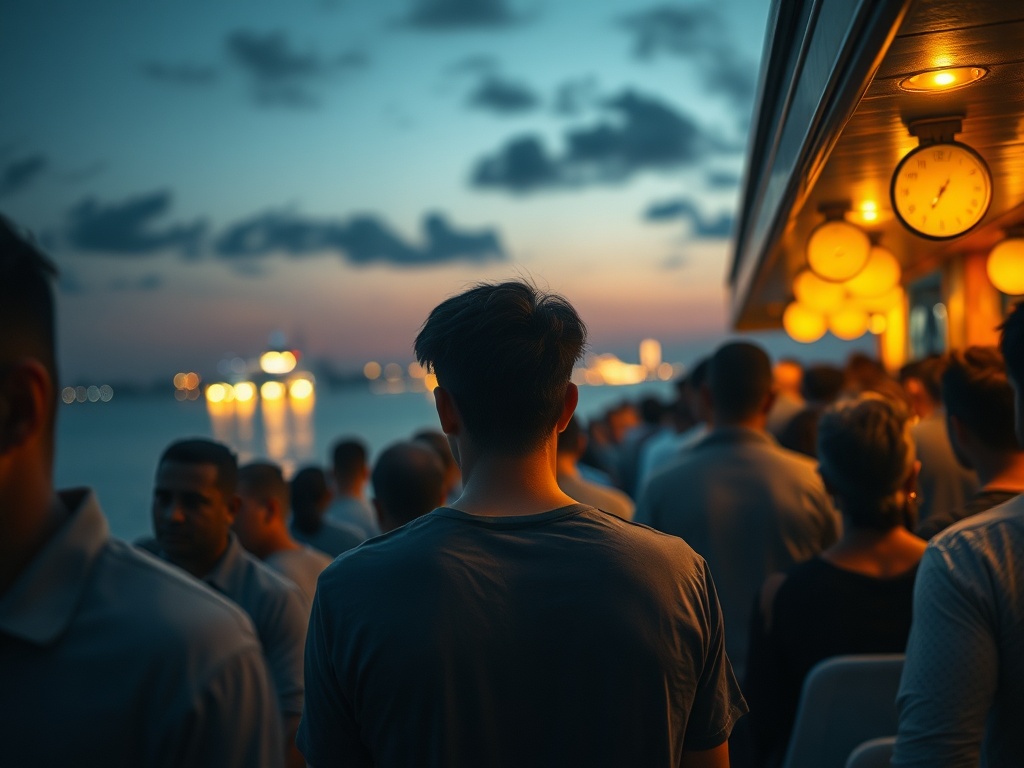
I was scrolling through my phone on the ferry today, the diesel fumes mixing with the salt spray, when I saw it. Another post, another threat, another round of comments. Someone said it wasn't a real problem because it wasn't aimed at a president. Just a normal person. And something in me went quiet. The engine chugged, the sea stretched out grey and indifferent, and I thought: is that what we've become?
We live in a city squeezed between ocean and sky, where everyone knows everyone's business, yet some lives are apparently worth more ink than others. We see the big cases, the political dramas that play out on our tiny screens. The arrests, the accusations that flicker and die when they reach a certain altitude. But down here, on the ground, in the crowded markets and cramped apartments, a different kind of justice—or the lack of it—plays out. A phone isn't confiscated. A threat is dismissed as nonsense. The machinery of the state, so swift and heavy when it moves against some, seems to stall and sputter when it comes to others.
It’s not just about one post. It’s about the pattern. It’s the feeling that the rules are written on water for some and carved in stone for others. We navigate our days through this duality—the official story and the lived one. We hear about freedom and rights, but then we see the quiet hierarchies of concern, the way protection seems to cling to power and slide off the rest of us. It creates a strange, hollow echo in our national conversation.
And yet, we keep talking. We keep pointing it out, even when our voices feel small against the roar of the political engines. There’s a stubborn hope that if we name this imbalance, if we refuse to accept that a civilian's fear is a lesser currency, then maybe, slowly, the scales might shift. The sea teaches us that even the smallest current, given time, can change the shape of the shore.