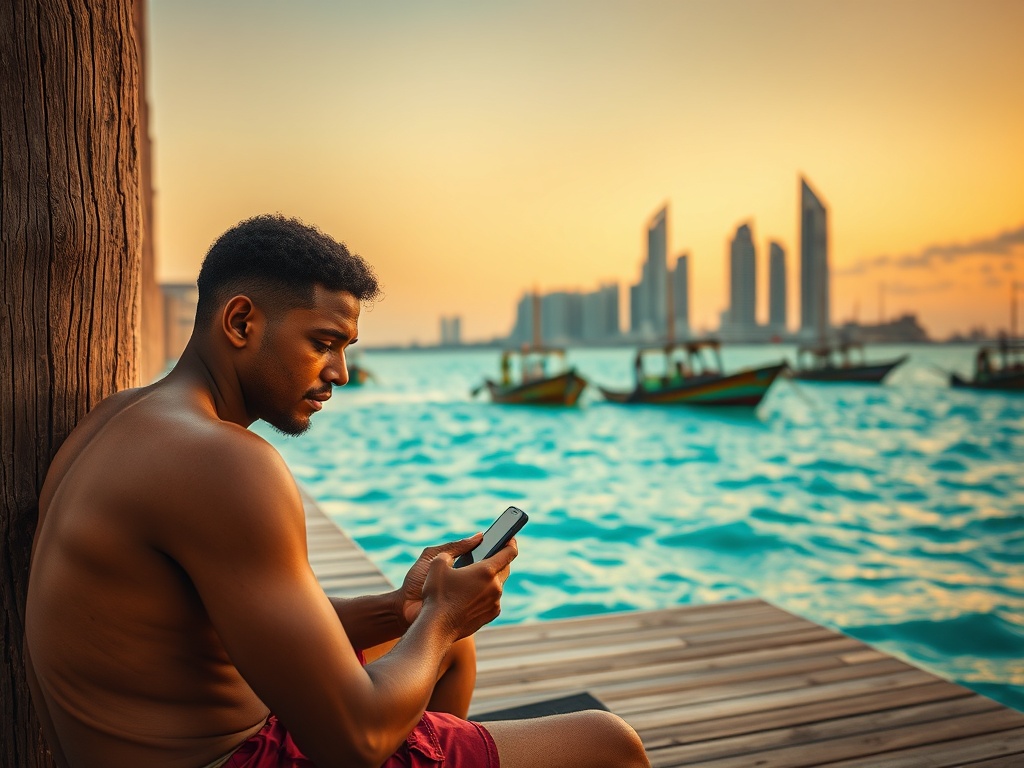
A Phone Screen Where Island Greetings Used to Be
In the archipelago nation of Maldives, where communities once thrived on face-to-face interaction across island shores, we now find ourselves navigating a new reality—one where digital communication promises connection but often delivers fragmentation. The irony is palpable: we can share our Spotify listening statistics (17,000 minutes of music consumed annually) with the world, yet struggle to convey simple messages across language barriers.
The digital divide manifests in subtle but profound ways. A message sent in English goes unread by a Dhivehi-speaking friend, creating invisible walls in relationships that technology was supposed to bridge. The casual request for chips becomes a cry for simple human interaction, while discussions about bringing people together and keeping others close reveal our deep-seated need for community in an increasingly disconnected world.
This technological paradox extends beyond personal relationships into our broader social fabric. As Maldivians grapple with rapid modernization, we find ourselves suspended between digital convenience and cultural preservation. The question of identity—"Is Jubraan a Ms.?"—reflects how globalization forces us to reconsider even the most basic aspects of who we are.
The constant stream of new content, new renders, new possibilities creates a peculiar form of modern anxiety. We're surrounded by abundance yet feel perpetually unsatisfied, always waiting to "get a few things in order" before we can fully engage with life. The nostalgic call to "reopen Alimas carnival" speaks to our longing for shared physical spaces and collective experiences that digital platforms cannot replicate.
In Male', where housing shortages and economic pressures already strain social bonds, this digital disconnect adds another layer of complexity. Young people particularly feel this tension—connected to global culture through platforms like Spotify, yet sometimes disconnected from their immediate communities and opportunities.
The solution may lie not in rejecting technology, but in rediscovering the balance. Perhaps what we need is to treat our digital tools as supplements to, rather than replacements for, genuine human interaction. To remember that behind every message, every streaming statistic, every digital render, there's a person seeking connection, understanding, and a place to call home—whether it's their first or second one.
As we navigate this digital age, the challenge remains: how do we harness technology to bring people together while preserving the authentic connections that have sustained Maldivian society for generations? The answer might be simpler than we think—sometimes, it starts with sending a message in the right language.
— Source fragments: bad day to be a text from rashwan; You need to write this in dhivehi or he won't get it; Is jubraan a Ms?; my entire spotify listening for the year was 17k; We need to find a way to bring as many as we can and keep the rest here; One could say its second home; We gotta reopen alimas carnival for that