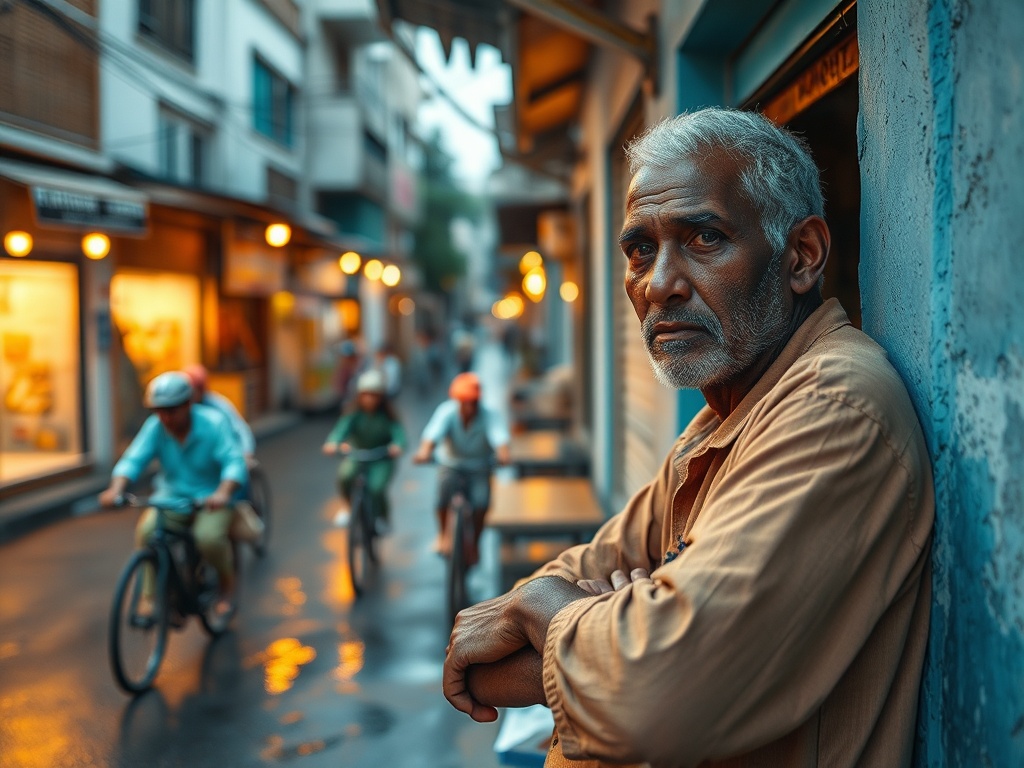
A Shopkeeper's Evening Stare at Economic Policy Papers
The question hangs in the humid air like the salt spray off the reef: what exactly is this 'private sector' we keep hearing will save our economy? It's not the newspapers, someone notes with weary irony. It's certainly not the small shopkeeper trying to survive while being told he can't sell cigarettes to willing customers, even as more dangerous substances flow freely through our streets in daylight.
There's a particular exhaustion that comes from watching the same patterns repeat across decades. 'We've been saying we need economic diversification for fifty years,' someone observes, the frustration palpable even in text. Fifty years of recognizing the problem, yet here we remain, tied to the same narrow foundations while the world changes around us.
Meanwhile, the mechanisms meant to stabilize things often seem to miss their mark entirely. When currency policies shift, it's the Maldivian worker who feels the pinch most acutely—paid in ruffiya while the system operates in dollars, caught in exchange rate currents they cannot control. The resorts, those gleaming islands of foreign revenue, operate in their own economic sphere, their benefits flowing outward rather than circulating through our local economy.
There's a sense of watching a play where everyone knows their lines except the director. Policies appear, sometimes with bold names and ambitious goals, yet they land in a reality they don't seem to understand. The shopkeeper wonders why he's being regulated into hardship while more serious issues go unaddressed. The worker wonders why the rules keep changing in ways that shrink his paycheck.
This isn't just about economics—it's about the space between policy and lived experience, between the grand plans announced in comfortable offices and the daily calculations made in crowded Male' households. It's about watching the same promises return with each political season, while the fundamental structures remain unchanged.
The real private sector isn't an abstract concept in economic reports. It's the fisherman selling his catch at the local market, the woman running a small guesthouse on her island, the young entrepreneur trying to start a business amid regulatory hurdles. They're the ones who understand what diversification actually means—not as a political slogan, but as daily survival.
As the sun sets over the Indian Ocean, casting long shadows across the crowded capital, these questions don't disappear with the light. They linger in the spaces between what we're told should work and what actually does, in the gap between economic theory and the reality of making ends meet in a nation floating between tradition and transformation.
— Source fragments: What is the 'private sector' that matters to our economy?; Its not fair and they have no clue to fix this mess; generation ban is useless when drugs flow freely; Maldivian workers suffering in currency policies; economy diversification talked about for 50 years but not happening