A Tide That Feeds Only Some
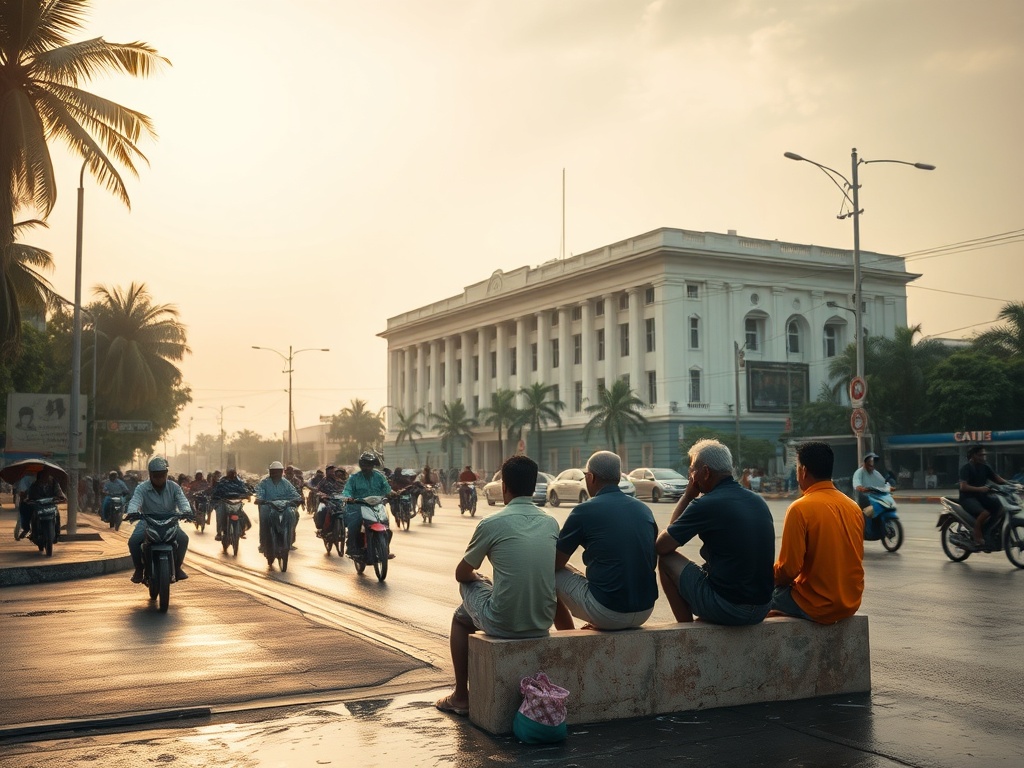
The sun beats down on Malé, and the heat feels heavier than usual. It’s a weight you can’t shake, like the humidity before a storm that never breaks. You see it in the slow, resigned shake of a fisherman’s head as he talks about the price of fuel. You hear it in the lowered voices of teachers in a staff room, discussing a new ‘special appointment’ to the ministry that bypassed a dozen qualified candidates. The talk is always the same, a familiar litany: the SOEs, the projects, the laundered millions. It’s not even anger anymore; it’s a dull, metallic taste of acceptance. Everyone knows the script. A new minister is appointed, and the first question isn’t about their policy, but about which family or faction they represent, about how well they will be ‘fed.’ It’s a transaction everyone sees but no one can stop. The system is a sieve, and the nation’s lifeblood drains away, leaving behind the high cost of living, the foreign currency shortages, and the crumbling public services. Yet, life persists. The ferries still run, albeit delayed. The markets still open. There is a grim, ironic humor in it all—a collective rolling of the eyes when another scandal breaks, because what else can you do? The hope isn’t for a hero to save the day; that fantasy is long gone. The hope is simpler, more fragile: that somehow, enough will be left for the people to get by, that the tide might one day, against all odds, reach the shore.