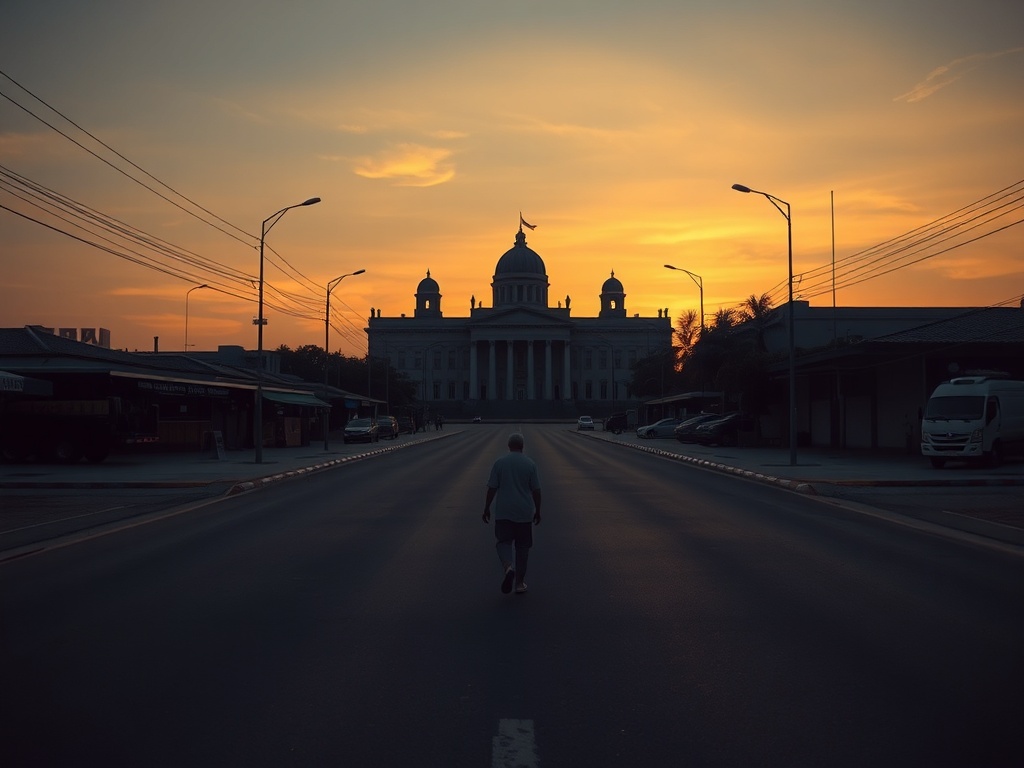
A tragedy of epic proportions disguised as heavenly democracy.
In the scattered voices of Maldivian social media, a clear pattern emerges: a collective exhaustion with the political theater that dominates our islands. The sentiment isn't about one policy or party, but the entire structure—a system where, as one person starkly put it, 'Seeing that effort achieve nothing is not very motivating.' This feeling of political stagnation resonates deeply, suggesting a widespread belief that genuine change is perpetually out of reach.
This disillusionment is compounded by a perception of disengaged leadership. Comments like 'He doesn’t do any work' and critiques of a president traveling while citizens feel 'ditched' point to a gap between the people and those in power. The debate isn't just about performance; it's about attention and value. When one voice asks, 'Don't you have any values at all?' it echoes a broader concern about the moral compass guiding the nation's affairs, a theme that cuts across casual observers and the politically active alike.
The core of the frustration, however, lies in the mechanics of the system itself. The description of a 'never-ending cycle of ego-driven survival-at-any-cost politics' perfectly captures the sentiment that the political game is rigged for the players, not the populace. This is not an abstract complaint. It manifests in tangible issues, from the handing out of 'political posts in the thousands' to the feeling that serious discussions always devolve into 'this party that party' debates, preventing any real problems from getting fixed.
What emerges is a narrative of a democracy that feels heavenly in name but tragic in practice. It’s a system where, for many, the outcome is a foregone conclusion: 'allies happy with trickle down crumbs; those not happy too loser to do anything about it.' This isn't just cynicism; it's a diagnosis of a political culture that hacks the public's hope, leaving a nation in a 'toxic loop' from which it struggles to break free. The call for change is quiet but persistent, a weary acknowledgment that the current path is unsustainable.