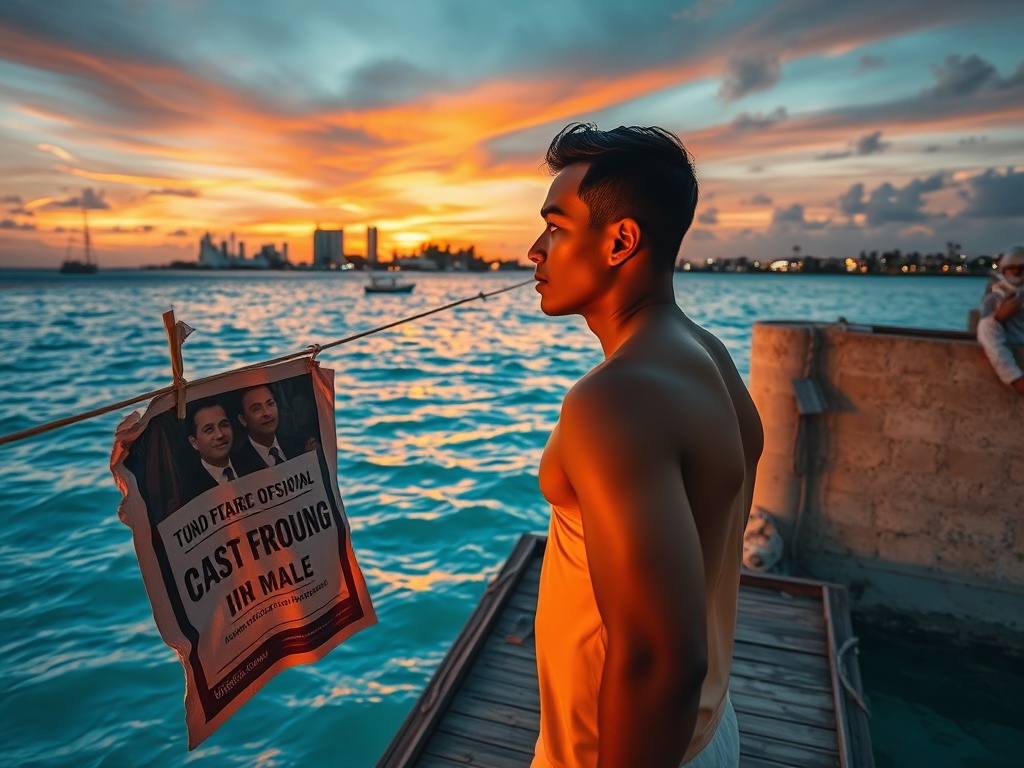
A Year That Began with Optimism, Ended with Faded Campaign Posters
The year 2023 began with cautious optimism in the Maldives, carrying the weight of political transition and the promise of change. Yet as the months unfolded, what many anticipated as a period of renewal instead became a study in political stagnation and unfulfilled potential. The initial momentum gave way to a familiar pattern of governance that left citizens questioning whether meaningful progress remained possible.
The political landscape presented voters with what many perceived as limited choices: continue with leadership that had demonstrated concerning governance patterns, or gamble on new faces making ambitious pledges. This binary framing of political options created an environment where voter disillusionment grew alongside political polarization. The debate became less about substantive policy differences and more about choosing between perceived lesser evils.
Behind the political theater lies a more concerning reality of governance challenges. The appointment process for political positions has become so entangled in patronage networks that even officials struggle to maintain oversight. The system encourages favor-trading and nepotism, creating bloated public sectors where accountability becomes secondary to political loyalty. This institutional decay affects everything from housing policy to economic management.
Housing development, particularly the Rasmale project, faces significant headwinds amid economic uncertainty. The success of such critical infrastructure initiatives depends on stable economic management, yet current policies create conditions where sustainable development becomes increasingly challenging. The disconnect between political promises and economic reality grows more apparent with each passing month.
What emerges from this political climate is a growing sentiment that citizens are being treated as passive observers rather than active participants in their democracy. The perception that political actors view the electorate as easily manipulated undermines public trust in democratic institutions. This erosion of confidence has tangible consequences, potentially reflected in declining voter participation and civic engagement.
The fundamental challenge facing the Maldives transcends individual political figures or parties. It speaks to a systemic issue where political discourse has become dominated by personality conflicts and ideological posturing rather than substantive policy debates. When citizens feel their choices are limited to variations of unsatisfactory options, and when governance appears more focused on maintaining power than serving public interest, the very foundations of democratic accountability weaken.
As the year concludes, the question remains whether 2024 will bring course correction or continued political stagnation. The solution likely lies not in searching for political saviors, but in rebuilding institutions that can withstand political cycles and prioritize long-term national interests over short-term political gains.
— Source fragments: I believe that this year feels worse than it actually was because of the promises that weren't delivered, I believe the year started out strong and quickly became bland; 2023 gave us two options - Give another 5 years to a madman who destroyed the nation for 5 years OR - Try a new candidate who pledged for a the kind of verikan we demanded; This is what happens when someone is blinded by politics and only fuel their opinions with ideologies; hello I am minister how am I supposed to know how many political I appointed without paying a consultation form for a thorough investigation; rasmale success chances are reduced significantly if muizzu remains, ironically. housing is powered by the nation's economy; and his party activist think whole Maldivians are fools