Aasandha Now Covers Non-Emergency Ambulance Transport for Bedridden Patients
The national health insurance scheme, Aasandha, has been expanded to include non-emergency ambulance services, addressing a long-standing public need for medical transport assistance. President Dr. Mohamed Muizzu announced the regulatory amendments at a press conference at the President's Office on Monday.
"This is a decision we finalised after several days of discussions, taking into account technical considerations, as well as financial, budgetary implications and operational factors," President Muizzu stated. He emphasized that the change was a direct response to frequent public requests and would ease significant difficulties faced by many residents.
Previously, Aasandha covered ambulance services only for emergencies, while transporting deceased persons required payment. Families and individuals, particularly those with bedridden members, faced major challenges arranging transport for outpatient treatment.
The amended regulations now provide coverage for ambulance services in seven specific situations. These include the existing emergency transport and the transportation of deceased persons. Crucially, the new coverage extends to outpatient care for bedridden individuals, wheelchair users, persons with disabilities, and individuals with thalassaemia. It also covers inter-facility transfers for bedridden patients between hospitals or health centers, as well as transport to airports or jetties during medical evacuations.
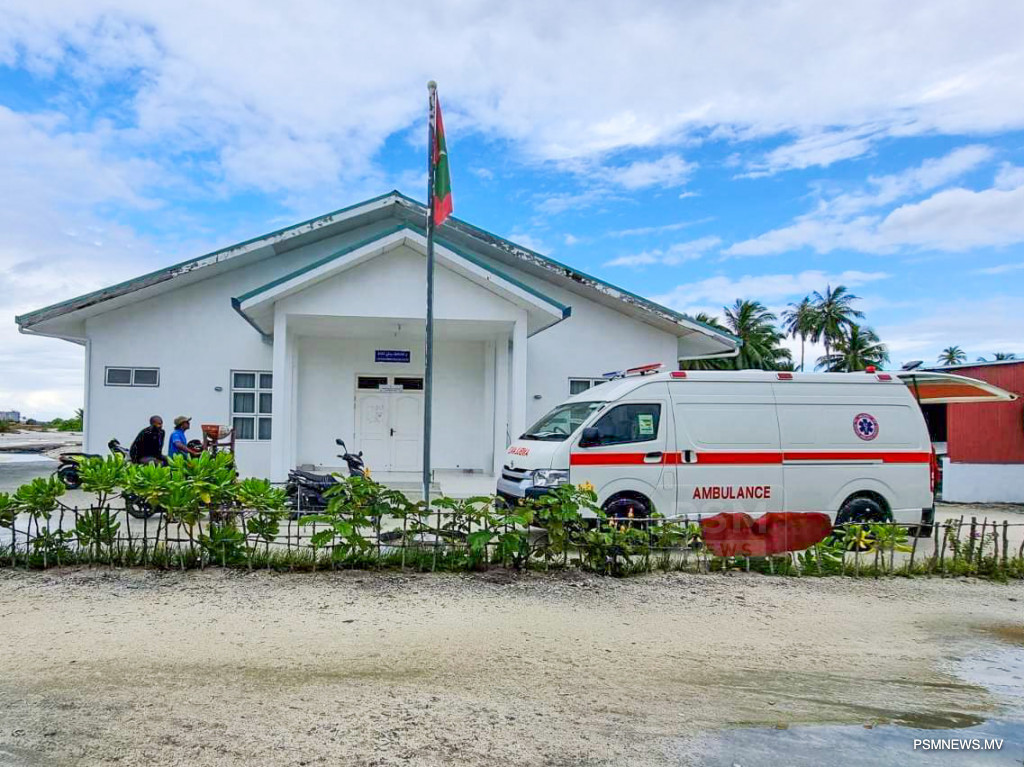
To support this nationwide service expansion, the government is working to equip more islands with ambulances. As part of a specialized initiative, 56 ambulances have already been distributed by Maldives Ports Limited (MPL), with two distribution rounds completed last month alone. The government is also procuring paramedic ambulances for islands with larger populations. The ultimate goal is to establish reliable, continuous ambulance services across all inhabited islands in the Maldives.