ACC Signs Global Agreement to Combat Cross-Border Corruption and Enhance Intelligence
The Anti-Corruption Commission (ACC) has entered into a strategic information-sharing agreement with the Global Operational Network of Anti-Corruption Law Enforcement Authorities (GlobE Network) to bolster the fight against transnational financial crimes.
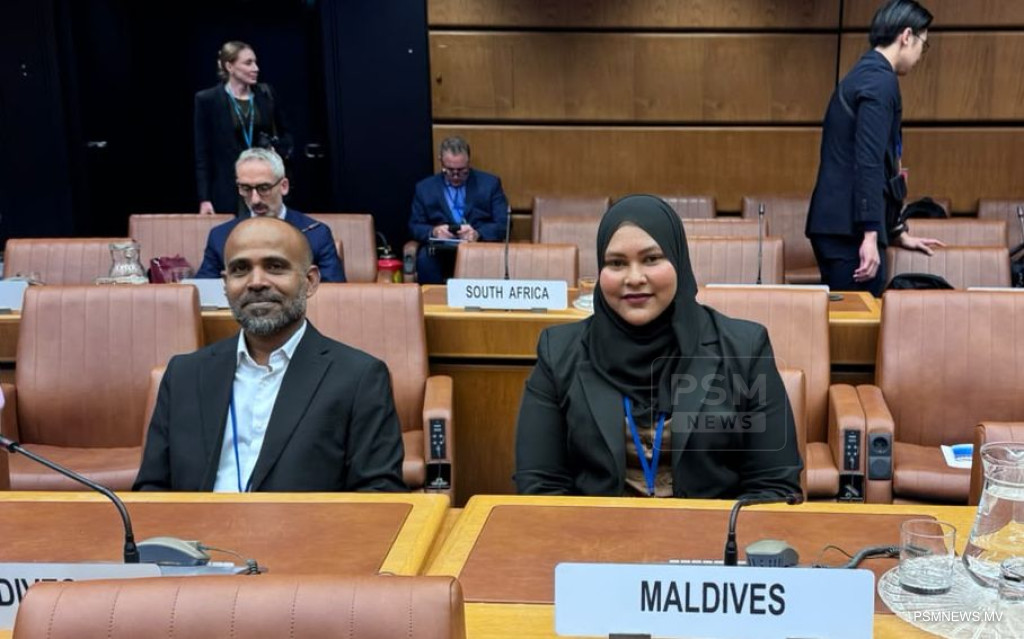
The agreement was formalized during the 7th GlobE Network Plenary Meeting held in Vienna from August 25 to 28. This Memorandum of Understanding (MoU) is designed to streamline the exchange of critical data between the ACC and anti-corruption agencies worldwide, significantly enhancing the Maldives' capacity to track and prosecute corruption that extends beyond national borders.
According to the ACC, the partnership will strengthen international cooperation and modernize systems used to address complex, cross-border corruption schemes. The plenary meeting focused on key pillars of global enforcement, including technical assistance, joint operational efforts, and the rapid exchange of intelligence to intercept illicit financial flows.
Beyond the formal agreement, the ACC engaged in bilateral discussions with anti-corruption authorities from Singapore, Kuwait, and Thailand. These meetings centered on sharing institutional experiences, refining corruption prevention strategies, and exploring specific avenues for regional cooperation.
A highlight of the commission's participation was a presentation by the ACC’s Lead Anti-Corruption Intelligence Analyst, Firshana Ibrahim. Presenting a case study titled “From Bribes to Conviction,” Ibrahim detailed the Maldives' specific methodologies in identifying corruption and the legal processes used to secure convictions, offering a blueprint for other member nations.
By integrating into the GlobE Network, the ACC aims to move from reactive investigations to a more proactive, intelligence-led approach, ensuring that offenders cannot evade justice by moving assets or operating across international jurisdictions.