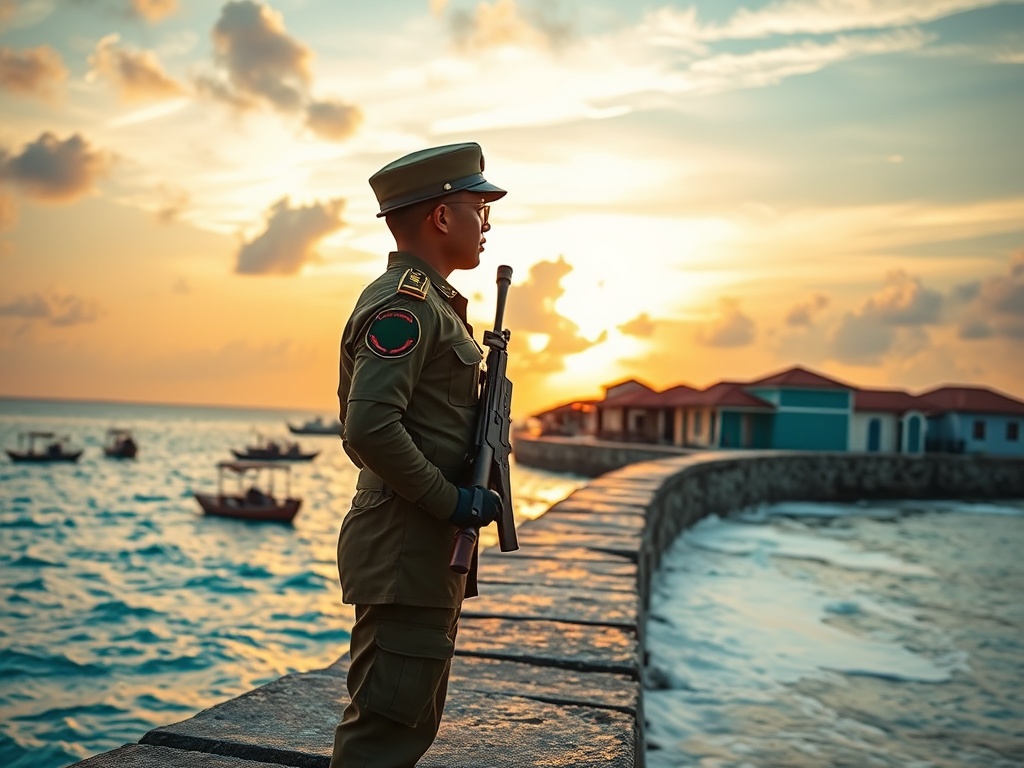
After Victory Day Speeches, the Real Debate Over Defense Spending Begins
The wreaths have been laid, the speeches delivered, and the memory of November 3, 1988, hangs heavy in the Maldivian air. Victory Day isn't merely a historical marker; it has become the emotional bedrock for a resurgent debate about national defense that cuts to the core of what it means to be an independent nation in the Indian Ocean.
Wealth, as the argument goes, accumulates over generations, but sovereignty must be defended daily. This perspective fuels calls for sustained investment in military hardware—drones, missile systems, an enhanced air force—viewed not as discretionary spending but as essential insurance. Proponents argue that a credible defense capability transforms international perceptions, compelling larger nations to treat small island states with greater seriousness. The logic extends to economics: security becomes a prerequisite for investment, creating a virtuous cycle where protection enables prosperity.
Yet this renewed focus on defense emerges against a backdrop of significant domestic challenges. The nation grapples with a high cost of living, foreign currency shortages, and a housing crisis in Malé that affects both locals and the growing expatriate population. Healthcare systems strain under demand, and youth face unemployment and limited opportunities. In this context, allocating resources to military expansion requires careful calibration, forcing a national conversation about priorities.
Recent statements from defense officials about ending "15 years of neglect" in the sector resonate with those who see military modernization as overdue. References to specific equipment needs—from drones to missile systems—reflect a desire for technological parity in a region where naval and aerial capabilities are rapidly evolving. The shadow of the 1988 coup, where heroes like retired Brigadier General Ibrahim Didi risked their lives to secure weapons from the armory, serves as a potent reminder of vulnerability.
The geopolitical dimension adds complexity. Discussions about inviting military partnerships with countries like China or Turkey reflect strategic calculations about regional balance. These conversations occur alongside persistent concerns about foreign influence and the need to maintain Maldives' independent voice in international affairs.
Ultimately, the defense debate transcends budget percentages and equipment lists. It represents a deeper negotiation between immediate needs and long-term security, between economic pressures and sovereign aspirations. As Maldives honors those who defended the nation thirty-five years ago, the country faces the ongoing challenge of building a defense posture that protects both its territory and its democratic values in an increasingly complex world.
— Source fragments: wealth is generated over time; independence is worth spending for; Victory Day honoring heroes of 1988 coup defense; defense sector neglect ending; military hardware investment; drones, missiles, airforce needs; sovereignty and international perception