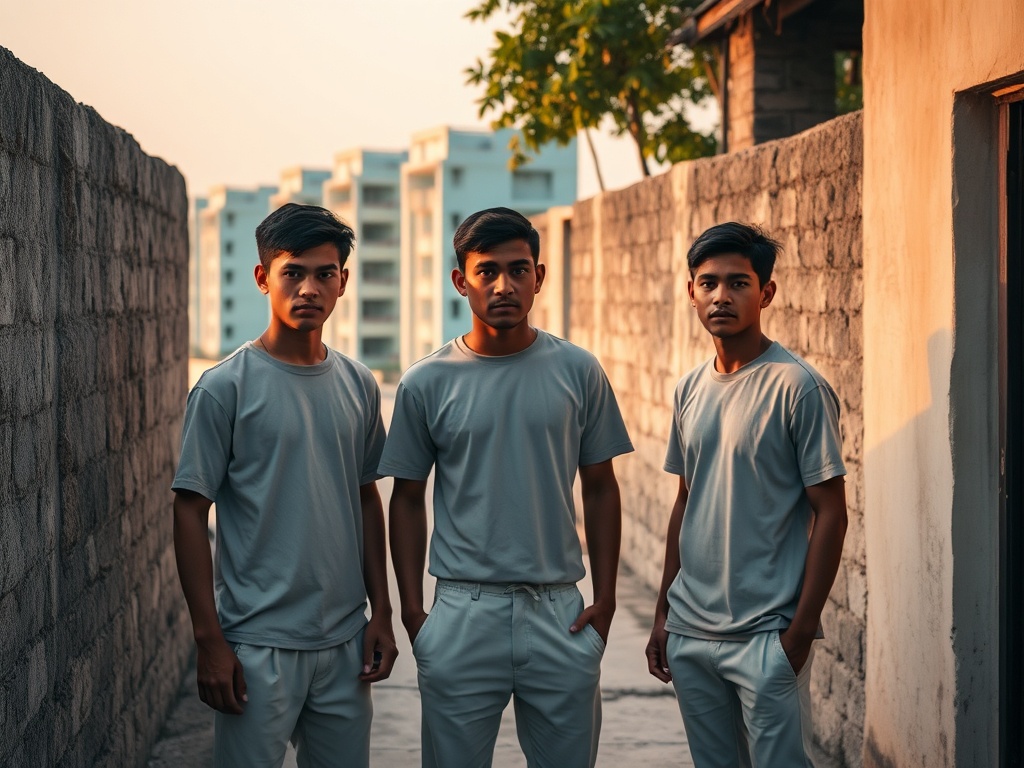
Ain't no way they're real right?
When someone mutters 'ain't no way they're real right?' in a Malé coffee shop, they're not just expressing doubt. They're giving voice to a collective exhaustion that has settled over these islands like the seasonal haze. This simple question cuts to the heart of our political reality, where grand announcements and promised solutions feel increasingly like theater performed for an audience that stopped believing years ago.
Consider the housing crisis in Malé. Politicians promise subsidized flats to win elections, yet many end up being subleased for profit by leaseholders living comfortably abroad. The government loses rent, while young couples desperate for a home remain trapped in overcrowded family houses. How can we trust that any new housing initiative is genuine, rather than just another election season mirage? The system seems designed to benefit those already connected, leaving ordinary citizens questioning if any solution will ever reach them.
This skepticism extends to our economic situation. Every Maldivian family feels the pinch of rising prices at the market, the struggle to save when the rufiyaa seems to lose value daily. Meanwhile, we're told tourism brings prosperity, yet resort owners park their earnings overseas while our foreign currency reserves dwindle. When the government responds by printing more money or raising taxes, it feels like treating a fever with blankets rather than addressing the infection.
The political machinery fuels this cycle of disbelief. Dozens of ministers appointed to single ministries, relatives placed in ambassadorial roles, Supreme Court justices shuffled like cards in a fixed game - these aren't isolated incidents but patterns of a system where loyalty trumps competence. When every institution appears politicized, from the courts that should deliver justice to the ministries that should serve citizens, why would anyone believe the next promise?
Even our healthcare tells this story. People mortgage homes to travel abroad for treatment while Aasandha, meant to protect us, gets drained by provider overcharging. Medicine shortages become routine, and we're left wondering if the system is broken by design rather than accident. The question 'ain't no way they're real right?' becomes a survival mechanism - a necessary filter for navigating a landscape where appearance rarely matches reality.
What happens to a society when its people stop believing their leaders? We see the consequences in youth turning to drugs, in talented graduates leaving for opportunities abroad, in the quiet resignation that replaces civic engagement. The real tragedy isn't just the corruption or inefficiency, but the erosion of hope that follows. Until actions consistently match words, until institutions demonstrate integrity rather than loyalty, this question will continue to echo through our islands - not as cynicism, but as the painful wisdom of lived experience.