Air Conditioners Fighting a Losing Battle in Malé's Heat
The familiar hum of air conditioners fighting a losing battle against the tropical heat serves as constant background noise in Malé, where insulation leaks render cooling systems inefficient and power-hungry. This daily reality symbolizes a broader pattern of infrastructure projects that fail to deliver on their promises, leaving citizens questioning the nation's capacity for effective development.
Across the atolls, decades of investment have flowed into power plants and ambitious projects like the much-discussed cable car system, yet many islands remain neglected. The core debate has shifted toward whether these high-profile initiatives address genuine needs or simply serve as political trophies. Critics argue that development has become disconnected from practical realities, with projects planned for years but executed poorly at inflated costs.
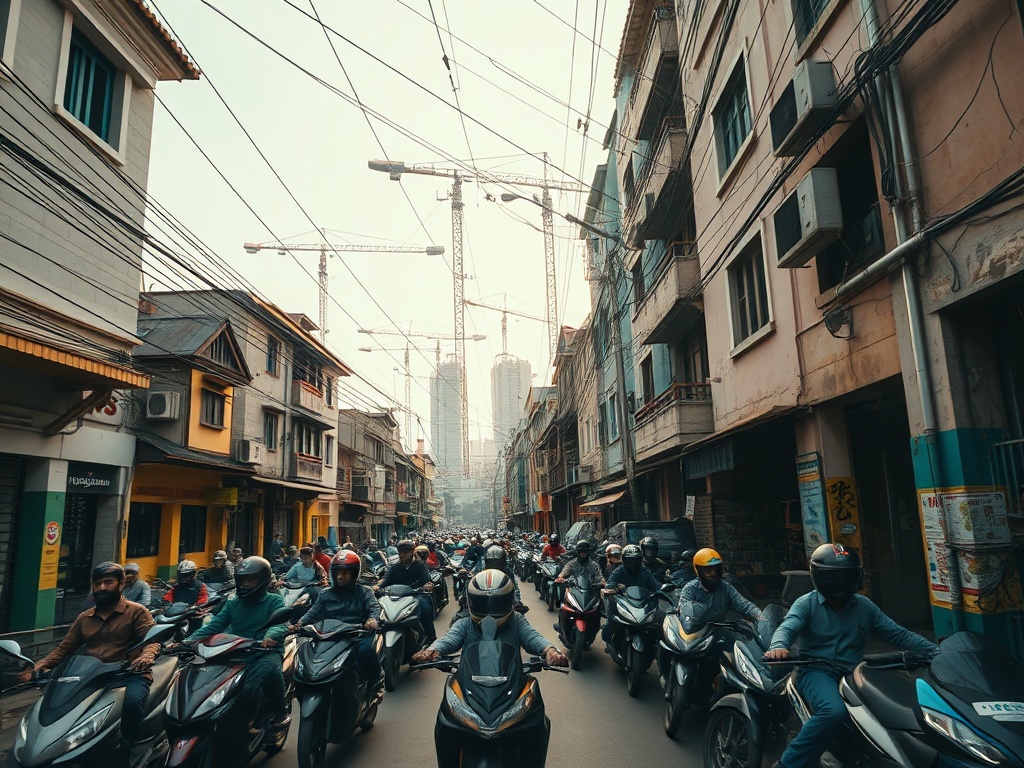
The capital itself has become a case study in urban strain. With business transactions estimated at 100 million Rufiyaa daily, Malé's economy suffers when infrastructure failures disrupt daily life. Recent traffic disruptions from roadblocks prompted widespread frustration among residents who see such measures as counterproductive rather than patriotic. The city's congestion reflects a deeper imbalance in national development strategy.
Technical limitations compound these challenges. As digital infrastructure discussions reveal, the country lacks the resources for sophisticated filtering systems, relying instead on basic DNS filters that cannot effectively manage dynamic threats. This technological gap mirrors broader resource constraints that affect everything from urban planning to economic development.
The development conversation is increasingly focusing on regional equity. Many argue that instead of funneling all resources into the capital, the nation should build population hotspots in the north and south with proper infrastructure, resources, and opportunities. This approach could alleviate pressure on Malé while creating more balanced national growth.
What emerges is a portrait of a nation at a development crossroads, where grand ambitions often collide with practical limitations. The challenge lies not in dreaming big, but in executing well—transforming political promises into tangible improvements that enhance daily life rather than complicating it. As one infrastructure veteran noted, dealing with city councils often means tripling initial cost estimates due to administrative inefficiencies, suggesting that governance reform may be the prerequisite for any meaningful progress.
Ultimately, the measure of development success will be whether projects serve the people's needs efficiently and equitably, creating a Maldives where progress means better living conditions rather than just more construction sites.
— Source fragments: Developing islands neglected, need population hotspots with proper infrastructure; Insulation leaks make cooling inefficient; Male is a dustbin; Years spent on projects with little result; Incompetence in city councils tripling costs; Road blocks devastating to Male's economy; Need for cable car and other infrastructure; Comparison to similar failed projects elsewhere