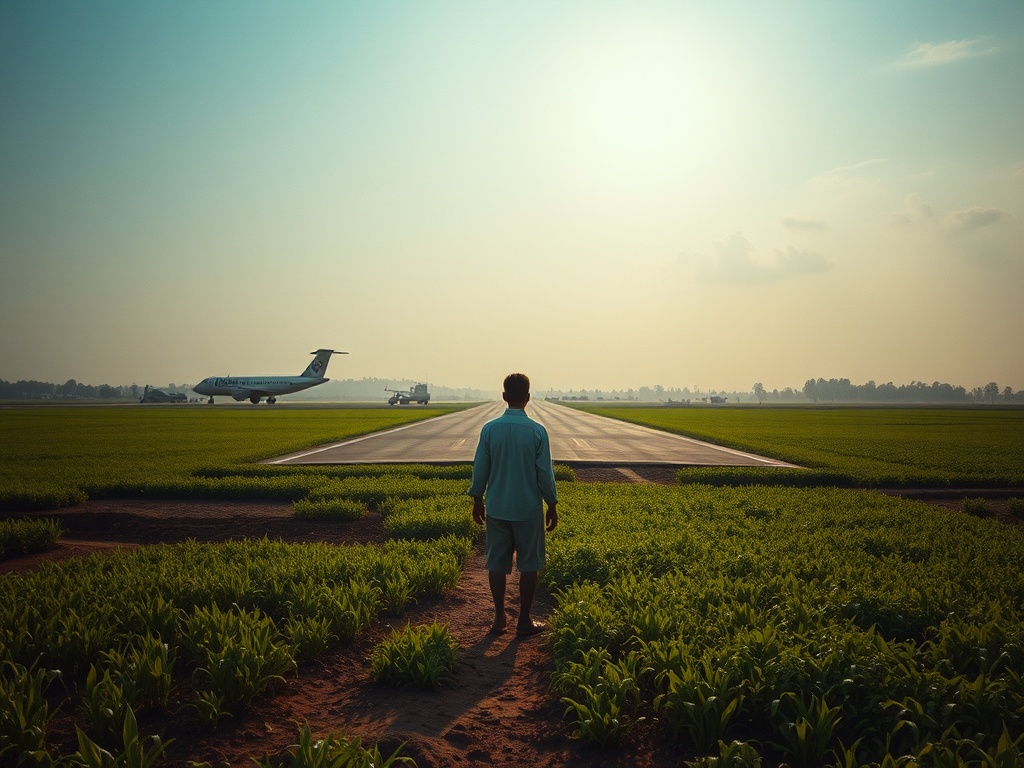
Airports Over Agriculture: The Logic We Lost
On Sh. Bileyfahi, where the soil yields more than most islands in this archipelago, the sound of machinery now drowns out the rustle of crops. This island, known for its agricultural bounty, is becoming another dot on the map of airport expansion—a trend that seems to grow without clear purpose. We watch as fertile land, capable of feeding families and sustaining local economies, is paved over for runways that may see only a handful of flights each week.
It is difficult to understand the reasoning behind such decisions. Many of these islands have populations under 500, where daily life revolves around fishing, farming, and community—not air travel. Some elders have never set foot on a plane, yet their children’s inheritance is being reshaped by concrete and tarmac. The government’s push to be seen as developing every corner of the nation feels like a performance, one that sacrifices practical needs for political spectacle.
In a country where youth unemployment hovers between 25-30%, and where basic services like healthcare and housing strain under population pressures, the allocation of vast resources to underused infrastructure strikes a dissonant chord. These projects consume funds that could revitalize agricultural cooperatives, support education, or create jobs that align with local realities. Instead, we witness a diversion of attention from the structural issues—corruption, drug abuse, economic disparity—that truly shape our daily struggles.
The irony is profound. As we champion sovereignty and self-reliance on the international stage, we undermine it at home by neglecting the very lands that have sustained us for generations. The push for connectivity should not come at the cost of sustainability. Perhaps it is time to ask whether development means building what is visible from the sky, or nurturing what roots us to the earth.
Hope lies in remembering that our strength has always been in our resilience and our connection to these islands. By refocusing on what truly sustains us—our people, our land, our heritage—we can forge a path that honors both progress and preservation.