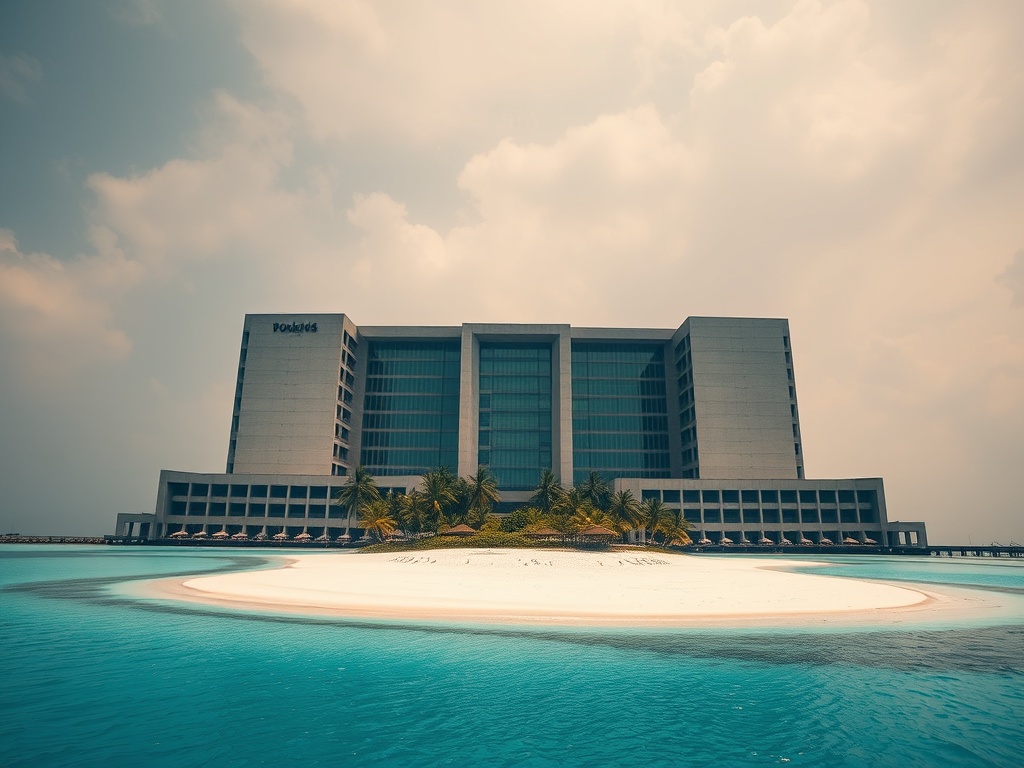
An Oversized Government Sinking a Small Island Nation
Across the Maldives, a quiet but persistent conversation is unfolding about the very architecture of governance. The question isn't merely about trimming budgets or reducing ministerial positions—it's about whether the current political structure has grown disproportionate to the nation it serves.
At the heart of this debate lies a fundamental concern: does a country of scattered islands and limited resources require such an expansive political apparatus? Critics point to bloated cabinets, numerous parliamentary seats, and layers of political appointees as evidence of a system straining under its own weight. The administrative costs, they argue, increasingly outweigh the tangible benefits delivered to taxpayers.
This isn't simply about reducing numbers—it's about reimagining efficiency. The call for a smaller Majlis reflects broader concerns about legislative effectiveness versus bureaucratic overhead. When governance structures become too large for the country they administer, the result isn't just financial strain but diminished responsiveness to public needs.
The conversation extends beyond political positions to question the very purpose of government expenditure. Skeptics note that regardless of how the political structure is organized, the fundamental issue remains how public funds are allocated. Too often, they argue, taxpayer money flows into poorly conceived projects or disappears into private pockets rather than serving the masses.
What emerges from this discussion is a recognition that piecemeal solutions won't suffice. The interconnected nature of these challenges—from political appointments to budget allocation—demands comprehensive, long-term planning. It's not enough to address one aspect of government bloat without confronting the entire ecosystem of public administration.
The frustration isn't merely about the size of government but about its effectiveness. When citizens see resources diverted from essential services to maintain an oversized political class, trust erodes. The debate has shifted from whether change is needed to what form that change should take—and whether current political leaders have the will to implement genuine structural reform.
As this conversation continues, it reflects a maturing public discourse about governance in the Maldives. The focus has moved beyond partisan politics to fundamental questions about efficiency, accountability, and the proper scale of government for a small island nation navigating complex economic challenges.
— Source fragments: The whole govt needs to be downsized; We need a smaller cabinet, fewer MPs, and fewer political appointees; The current governance structure is too large for this country; Do such a small country need such a big Majlis?; It needs a logical, long-term plan, not patchwork fixes