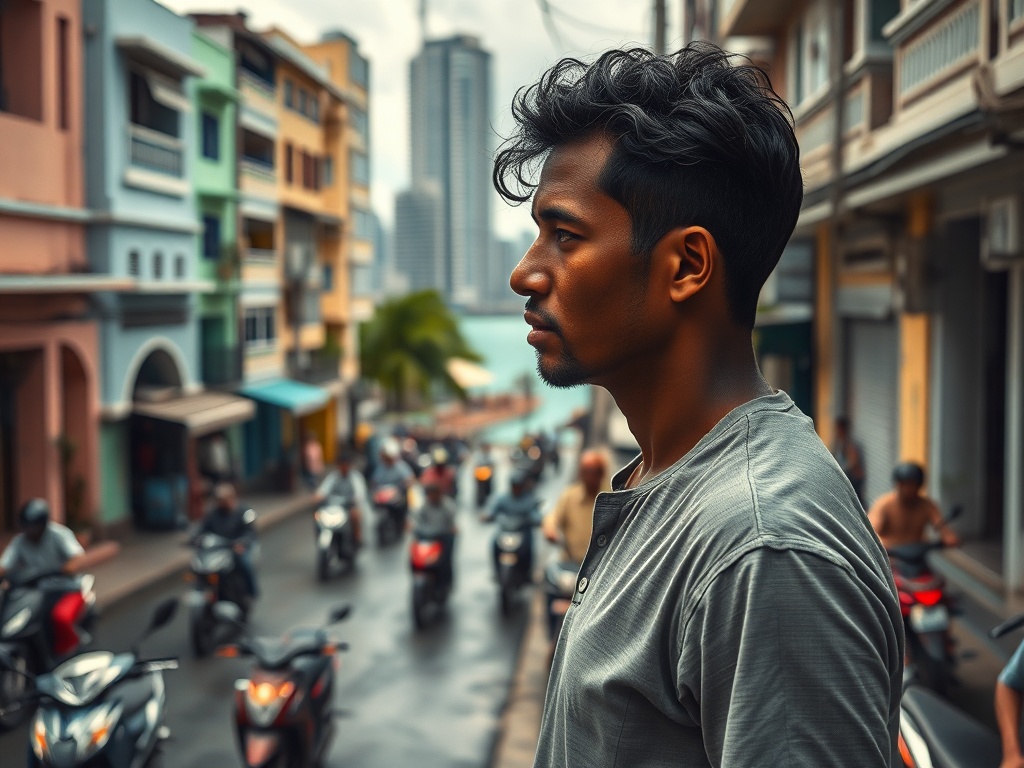
Ancestral Seas, Distant Shores: The Maldives' Long Wait for Home
The sea has always connected us, but today it feels like it separates. In the crowded lanes of Malé and the newer spaces of Hulhumalé, thousands wait for what should be a basic right: a home. They speak of unbearable rent, of years spent in limbo, of watching limited land be given away while their names remain on waiting lists that stretch like the horizon.
Meanwhile, another conversation unfolds about belonging. 'People should vote where they reside,' one voice insists, and the logic is as clear as the monsoon sky after rain. If you've permanently moved from your island to Hulhumalé, your concerns are now about this community's schools, its roads, its future. Representation should reflect where people actually live, not where their grandparents fished.
Yet the tribal mindset persists. Some still measure belonging by land ownership or ancestral property, creating hierarchies of citizenship in a nation that should stand united. The question hangs in the humid air: are you more Maldivian because you have land in an island you no longer call home?
This tension between past and present defines our current moment. The housing crisis isn't just about concrete and roofs—it's about dignity, about stability, about the right to put down roots where life has actually taken you. When people speak of social justice, they're talking about this fundamental disconnect between where we're from and where we're building our lives.
The sea breeze carries both memory and possibility. It reminds us that while our islands will always be part of who we are, our future is being written in the communities where we actually live, work, and raise our children. Perhaps the solution lies in recognizing that home isn't just about where we began, but where we're going.
— Source fragments: People should vote where they reside for local council elections. Suppose if someone has permanently moved from their island to Hulhumalé, it makes more sense for them to vote in Hulhumalé, not in their old island. Representation should reflect where people actually live; Many Malé citizens have been deprived of their right to housing for years. At the same time, thousands from RTs pay unbearable rent and still have no home. This is a social justice crisis; Any policy which recognizes anyone as being more belonging to a particular island smacks of hypocrisy and double-standards. Are you more belonging because you have land in an island? Parents with property there?; Shall we let go of our tribal mindset and tighten as well as enforce laws that recognize the right of all Maldivians to influence policy through voting and become entitled to policies and privileges where they live rather than where they were born or their parents have property?