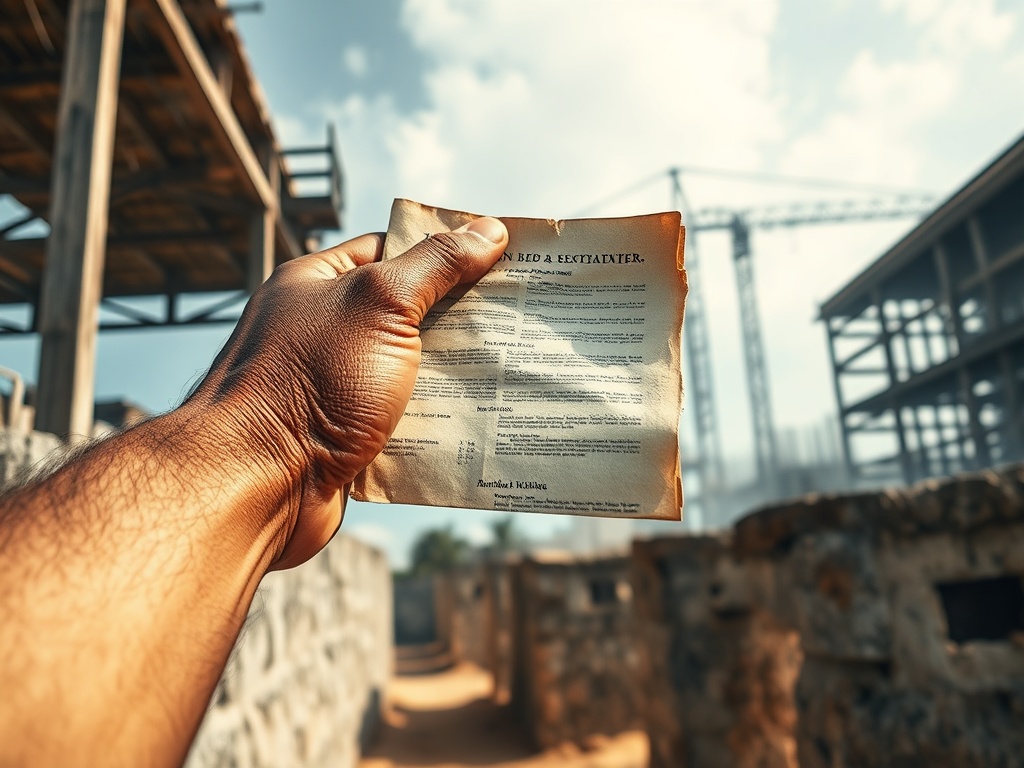
Ancient Land Documents in the Shadow of New Construction
In the scattered atolls of the Maldives, where land is both ancestral heritage and political commodity, a quiet struggle unfolds in the shadows of paradise. The privatization of thundis—those precious plots passed through generations—has become emblematic of a system where personal property rights often collide with opaque governance.
When someone questions how a thundi can be privatized while the purported owner claims no property under their name, they touch upon a recurring theme in Maldivian society. This isn't merely about paperwork or legal technicalities—it's about the fundamental relationship between citizens and the land that defines their identity. The frustration echoes through households where inheritance feels increasingly precarious, where what should be secure becomes subject to political winds.
The stakes transcend individual plots. As one observer notes, these aren't just personal assets but collective stakes—yours, mine, ours. The concern runs deeper than any single transaction, touching on patterns of previous sales that suggest systemic rather than isolated issues. When property becomes political currency, the very foundation of intergenerational security trembles.
This landscape of uncertainty creates practical hardships that ripple through daily life. The additional expenses, the waiting periods, the bureaucratic hurdles—these aren't mere inconveniences but symptoms of a system where property rights feel conditional rather than guaranteed. The emotional toll compounds the financial burden, creating a cycle of frustration that affects families across the islands.
Behind these individual stories lies a broader narrative about governance, transparency, and the meaning of ownership in a nation where land represents both history and future. The question isn't just who owns what today, but what kind of society emerges when the most fundamental assets—family land, ancestral homes, inherited property—become subjects of political manipulation rather than pillars of community stability.
— Source fragments: Slight correction it's not his stake it yours, mine, our stake. I will hold my breath on the selling price base on previous sales history. how can someone just privatise a thundi? but she will be screaming here every other day saying there is no property under her name.