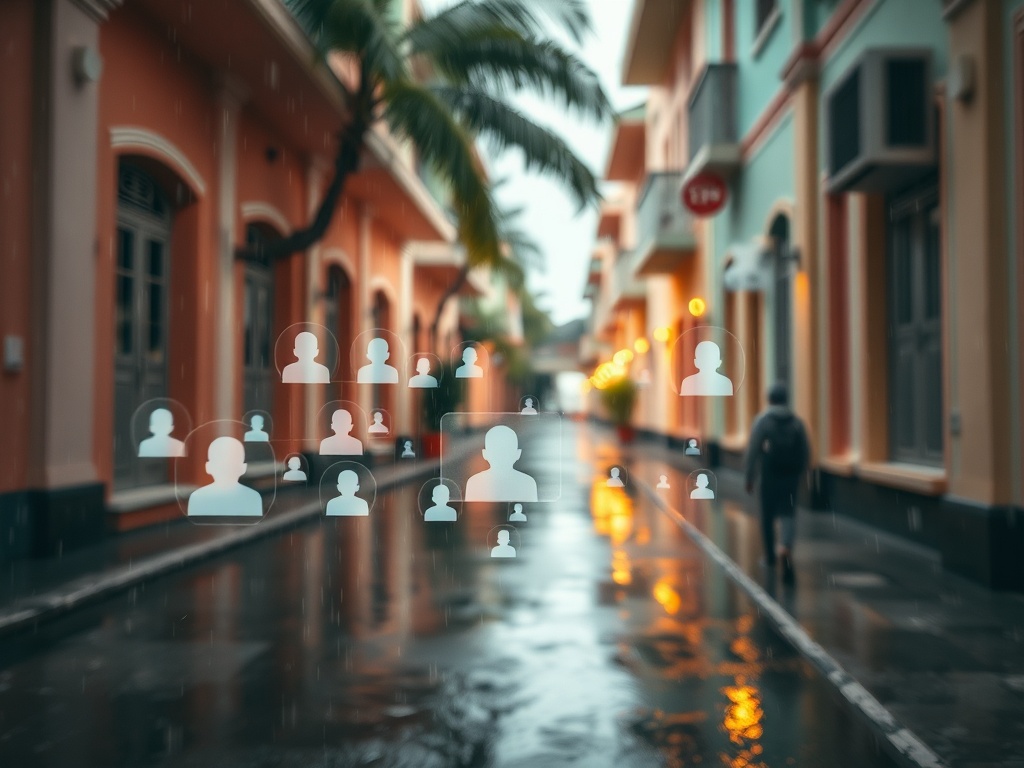
Anonymous Profiles, Maldivian Voices: The New Truth Marketplace
In the swirling currents of social media discourse, where anonymity and identity dance in uneasy partnership, Maldivians are grappling with fundamental questions about how we determine truth in the digital public square. The debate often centers on whether identity validation should be prerequisite for legitimate criticism, or whether the substance of an argument can stand independent of its source.
This tension reflects broader societal shifts as traditional hierarchies of authority give way to more distributed forms of credibility. When voices emerge questioning public figures or institutions, the immediate response often focuses on the messenger rather than the message. The demand for identity verification becomes both shield and weapon—a way to establish credibility while potentially silencing uncomfortable conversations.
The conversation takes on particular resonance in the Maldivian context, where small communities and interconnected social networks mean that public discourse often carries personal consequences. The question of who gets to speak, and under what conditions, touches on deeper cultural norms about respect, privacy, and community harmony.
Yet this focus on identity can sometimes obscure the substance of legitimate concerns. When the conversation shifts from what is being said to who is saying it, important issues risk being dismissed rather than addressed. This dynamic plays out across various spheres—from political discourse to celebrity culture—where accountability and transparency become bargaining chips in reputation management.
The digital landscape has transformed how Maldivians engage with public figures and institutions. Social media platforms provide unprecedented access while simultaneously creating new forms of distance and abstraction. In this environment, the relationship between identity and credibility becomes both more complex and more consequential.
What emerges is a public square where traditional markers of authority compete with the raw power of persuasive argument. The conversation about identity verification reflects deeper questions about how we build trust in an increasingly fragmented information ecosystem, and what responsibilities come with the privilege of public speech in our island nation.
— Source fragments: Fella, what difference does identity make, if the criticism is legitimate? You just don't wanna interact with questions that you can't answer, because the answer is damaging to you. So Rsh1 does answer questions from Anons. Just not the questions he doesn't want to answer.