Anti-Corruption Commission Targets State Procurement and Political Graft in Five-Year Plan
The Anti-Corruption Commission (ACC) has launched a comprehensive five-year strategic plan designed to dismantle systemic vulnerabilities within state procurement, the governance of state-owned enterprises (SOEs), and political corruption.
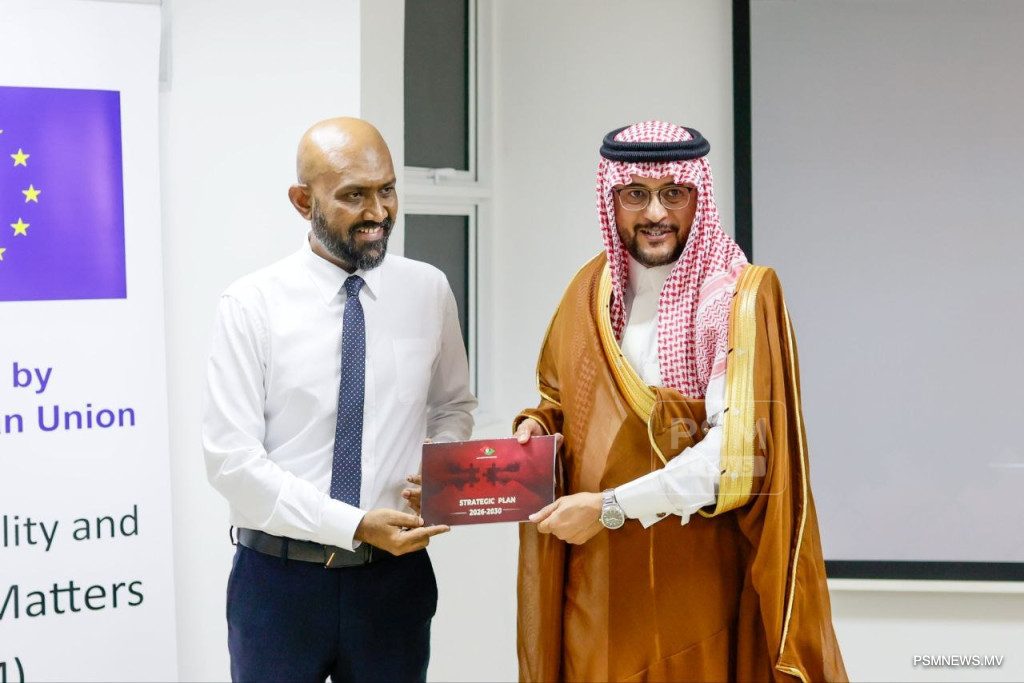
Unveiled at a ceremony attended by international dignitaries, including Saudi Arabian Ambassador Yahya Hassan Al-Qahtani and United Nations Development Programme (UNDP) officials, the roadmap seeks to fortify national integrity through targeted reforms and stricter oversight.
ACC Chairman Adam Shamil stated that a primary goal of the strategy is to pinpoint corruption hotspots within SOEs. The commission intends to reform internal systems and implement more rigorous monitoring mechanisms for all public procurement processes to prevent the misappropriation of state funds.
Beyond procurement, Shamil emphasized an unprecedented focus on eradicating political corruption. The plan includes initiatives to ensure fairer elections and promote transparency in public sector hiring, efforts intended to rebuild eroding public confidence in state institutions.
To modernize its operations, the ACC will prioritize the digitization and automation of its internal processes. By leveraging modern technology, the commission expects to accelerate the pace of investigations and improve the detection of corrupt practices. To ensure these initiatives remain sustainable, the commission has established the 'Maldives Anti-Corruption Trust Fund.'
In a move toward greater accountability, the ACC is also amending its Rules of Investigative Procedure. The new rules will mandate that investigators set a firm completion date at the start of every case, based on the scale of the investigation, to eliminate prolonged delays.
The strategic framework is built upon five key pillars: governance and administrative development, the strengthening of administrative management, the fortification of the national integrity system, the improvement of state procurement and SOE governance, and the prevention of political corruption.