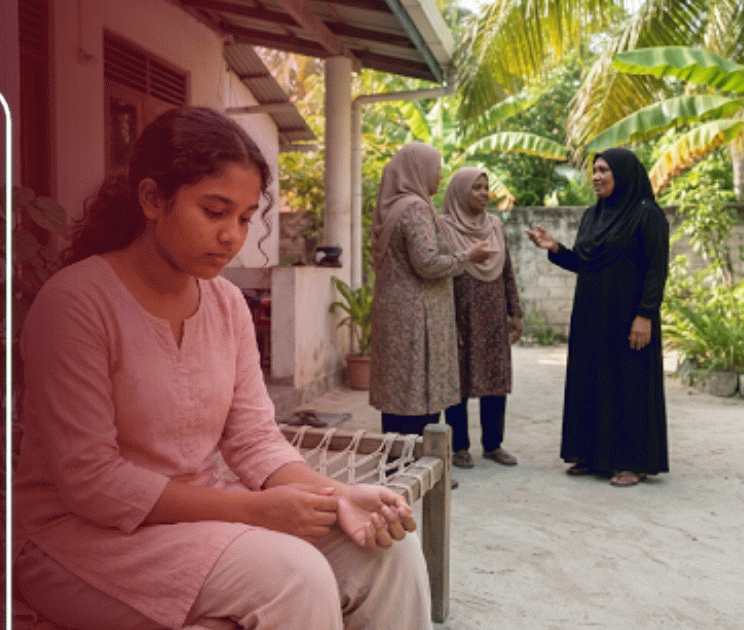
Appearance Criticism Harming Maldivian Children Entering Puberty, Psychologist Warns
Criticising the appearance and weight of children entering puberty is causing lasting psychological harm, according to an opinion piece by Maryam Shahidha published on 20 November 2026.
The article notes that at family gatherings and community events, remarks about children's physical appearance are among the first words spoken, with expressions such as "this child has gotten dark from playing in the sun," "got too fat," or "so thin, aren't they being fed?" common in society and often uttered without bad intent.
However, during puberty — a delicate period of great physical and psychological change — such words can shake the foundations of a child's self-confidence and psychological well-being, the article says. Children entering puberty learn to weigh their own value based on the scenes around them, especially conversations among parents, elders and peers, so pain caused by comments on skin colour, body shape or weight is not a small matter.
Repeated criticism at this age leads to lost self-confidence, difficulty interacting with other children and a habit of loneliness and withdrawal, the piece states. It also links these psychological burdens to unwanted changes in eating habits: some children, fearing becoming fat, stop eating, while others overeat to find relief from stress and sadness.
The article cites Dr. Lisa Damour, a clinical psychologist working in America who has written many books on the psychological well-being of puberty-age children. Dr. Damour states that making appearance criticism into a "joke" minimises the pain children receive and the seriousness of the matter. Instead of saying "it's just a joke" when a child has been hurt by a remark about their appearance, children must be made to understand that it is harmful and not morally good. Dr. Damour describes empathising with the child's feelings, listening, and affirming that criticising appearance is wrong as things that will strengthen the child's psychological strength.
If another person criticises a child's appearance in front of the child, parents can work to stop it by clearly saying it is not desirable and by making efforts to halt the matter with firm expressions, the article advises. In addition to parents' response, children of puberty age must be taught to speak with discipline to defend themselves, and parents should assure the child that their value is always equal to other children regardless of appearance.
Erasing this habit from society is also important, the piece says, noting that although it cannot be done in a day or two, great changes can come with thoughtfulness. When meeting children of puberty age, it advises talking about their skills and interests — lessons studied, achievements on the sports field, creative work and learning new things — rather than their appearance.
Instead of appearance-criticising "jokes," choosing heart-easing words that bring courage and happiness and include love and respect is an important responsibility all must fulfil to build a healthy generation in the future, the article concludes.