As Mauritius Speaks for Foalhavahi, Malé Stays Silent
The debate over Foalhavahi has surfaced a curious paradox in Maldivian politics. While Mauritius advances its claims over these waters, many Maldivians find themselves asking a more fundamental question: what exactly are our own politicians doing to assert our historical connection to this maritime territory?
This isn't merely about competing territorial claims between nations. It's about the relationship between a people and their political leadership when it comes to preserving national heritage. The silence from official channels regarding Foalhavahi's place in Maldivian history speaks volumes about current political priorities.
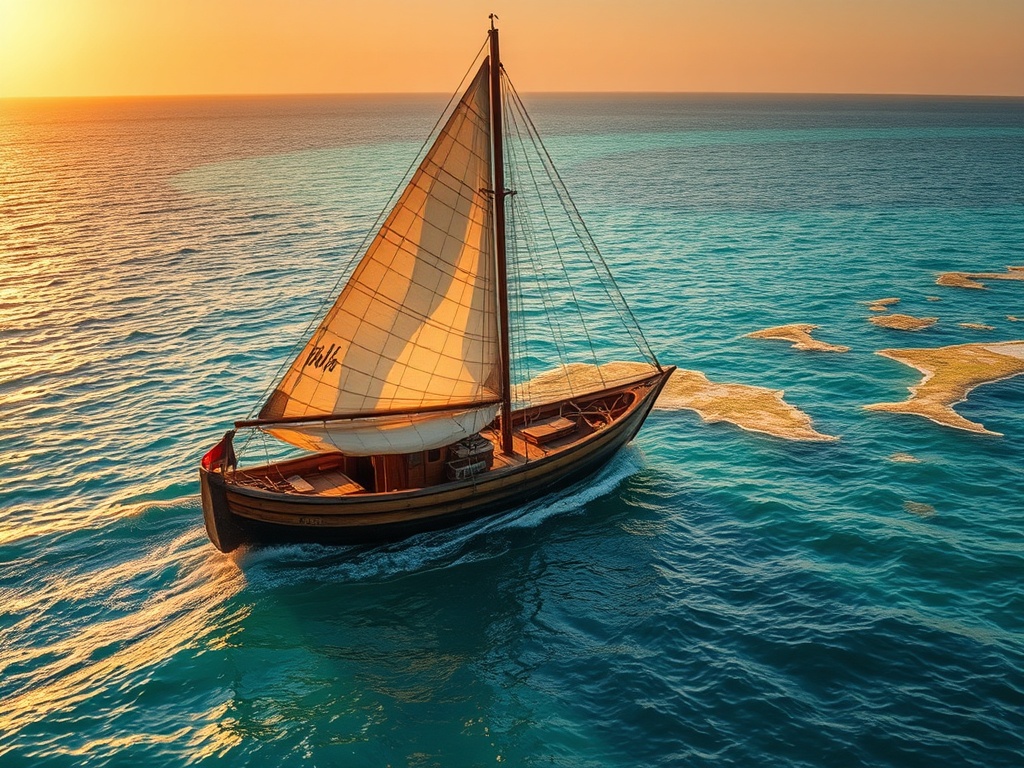
Historically, Maldivian identity has been intrinsically tied to the sea. Our ancestors navigated these waters for centuries, developing sophisticated maritime knowledge that sustained island communities. The ocean wasn't just a resource—it was the connective tissue between islands, the source of livelihood, and the foundation of cultural identity. Yet today, as foreign nations make claims to waters that have been part of Maldivian seafaring traditions for generations, the political response appears muted.
This silence becomes particularly striking when contrasted with the energy expended on domestic political battles. While politicians vigorously debate everything from cabinet appointments to development projects, the defense of historical maritime claims receives far less attention. The question isn't whether Mauritius has legitimate historical ties—that's for international courts to determine—but why Maldivian leadership isn't more vocal about our own historical narrative.
The situation reflects a broader pattern where immediate political concerns often overshadow long-term national interests. With elections constantly looming and domestic issues dominating headlines, matters of historical preservation and territorial legacy can fall by the wayside. Yet these are precisely the issues that define a nation's identity across generations.
What's at stake here extends beyond territorial waters. It's about how a nation chooses to honor its past while navigating its future. When political leadership fails to articulate and defend historical connections to places like Foalhavahi, it creates a vacuum where other narratives can take root. It raises questions about what aspects of Maldivian heritage we consider worth fighting for.
The conversation around Foalhavahi has become a proxy for larger questions about political priorities and national identity. It's not just about who controls which patch of ocean, but about which stories we choose to tell about ourselves—and which ones we allow to be forgotten.
— Source fragments: what i find more puzzling is what is our politician's doing there when we have a historical claim to our Foalhavahi