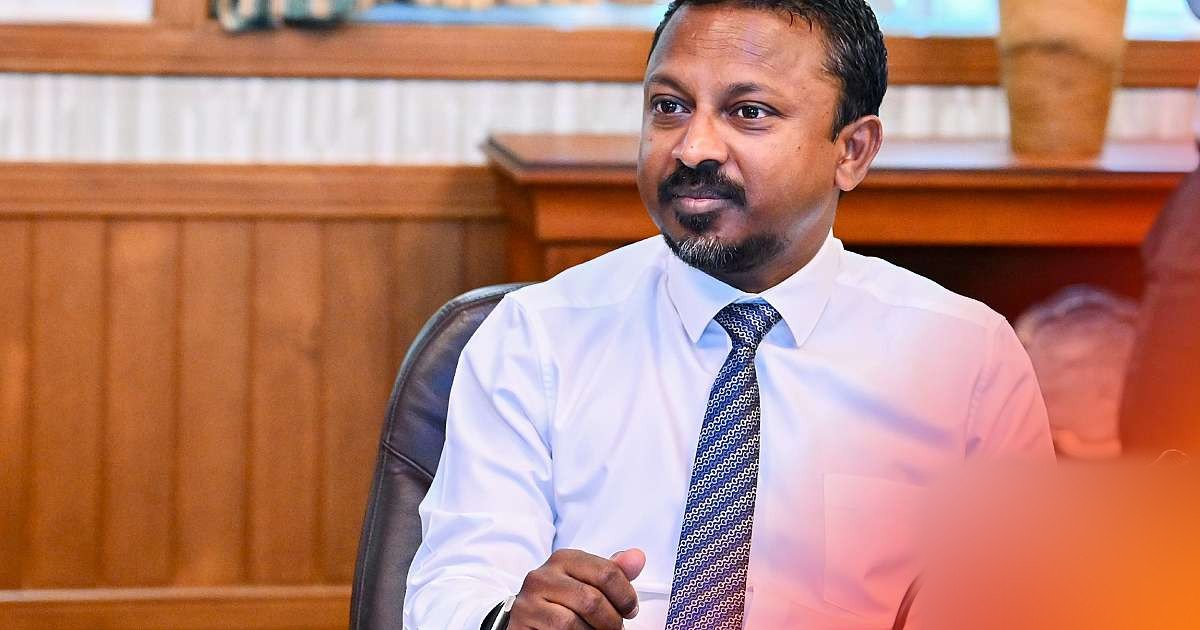
Attorney General: Lack of domestic genocide law undermines Maldives' ICJ submissions
Attorney General Ahmed Usham has warned that the absence of a domestic law criminalising genocide could affect the legal positions the Maldives has submitted at the International Court of Justice (ICJ), including in the case against Israel.
Usham said the government has submitted a bill to make acts against a national, racial, ethnic or religious group punishable under the Penal Code. The offences covered include killing members of such a group, inflicting serious bodily or mental harm, deliberately imposing living conditions intended to destroy the group, taking measures to prevent births, forcibly transferring children, and public incitement to commit such acts.
In a post on X, Usham said such legislation is an obligation under the Genocide Convention, to which the Maldives acceded on 24 April 1984. Article 5 of the convention requires state parties to enact laws and set penalties for genocide crimes. He noted that 42 years later, the Maldives has still not fulfilled this obligation.
Usham said the Maldives has intervened in two genocide cases before the ICJ involving Muslim populations: the Gambia's case against Myanmar over the Rohingya, and South Africa's case against Israel over Palestinians. He said that while the Maldives urges other countries, including Israel, to respect the Genocide Convention, its failure to implement the convention at home affects the legal positions it has put forward.
The bill also includes offences related to economic security, such as damaging critical infrastructure or computer systems, disrupting essential services, stopping a major source of state revenue, and causing substantial economic loss to the state. It also covers acts of treason, including waging war against the Maldives and providing assistance to such parties inside or outside the country.