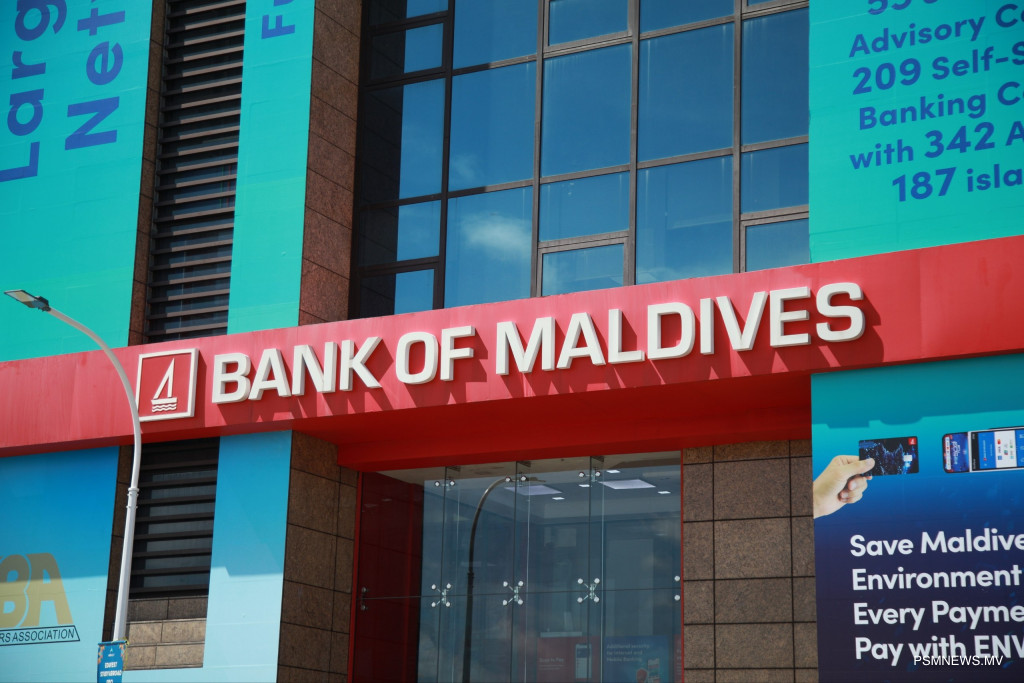
Bank of Maldives Denies Funding Government T-Bill Repayment Amid Dollar Shortages
The Bank of Maldives (BML) has firmly rejected claims that the government's recent repayment of a Treasury Bill (T-bill) was linked to the bank's own financial resources. The denial comes after the government settled the final USD 50 million of a USD 150 million facility with the State Bank of India (SBI) on September 17.
In a detailed statement, BML clarified that it did not provide the US dollar liquidity for the repayment, nor did it use customer deposits or internal funds to facilitate the transaction. The Ministry of Finance and Public Enterprises confirmed that the payment was funded via the Sovereign Development Fund (SDF), completing a settlement process that began with a facility obtained in 2019.
BML emphasized that its financial position remains strong, operating within established regulatory requirements and risk management frameworks. The bank warned that the circulation of misleading claims regarding its stability could undermine confidence among customers, shareholders, and the broader Maldivian economy. It urged public officials and media organizations to verify facts before publishing claims that could impact financial stability.
Parallel to these claims, BML is navigating a challenging foreign currency environment. The bank reported a significant surge in US dollar sales, averaging USD 81.6 million per month this year. By the end of August, BML had sold USD 653 million—a 33.3% increase compared to the same period last year. If current trends persist, total annual sales could reach USD 1 billion.
The demand is primarily driven by debit and credit card transactions (USD 38 million), telegraphic transfers (USD 27 million), overseas travel (USD 9.4 million), and health and education expenses (USD 7.3 million).
BML admitted that the current imbalance between dollar supply and demand is unsustainable, noting that September is typically a peak month for shortages. This volatility has led to delays in interbank transfers and telegraphic transfers over the past two weeks. To manage outflows, the bank has temporarily restricted some e-commerce transactions and prioritized essential payments.
BML expects dollar transactions to return to normal by the end of next week and assured stakeholders that it is taking all necessary measures to protect the interests of its customers and the wider economy.