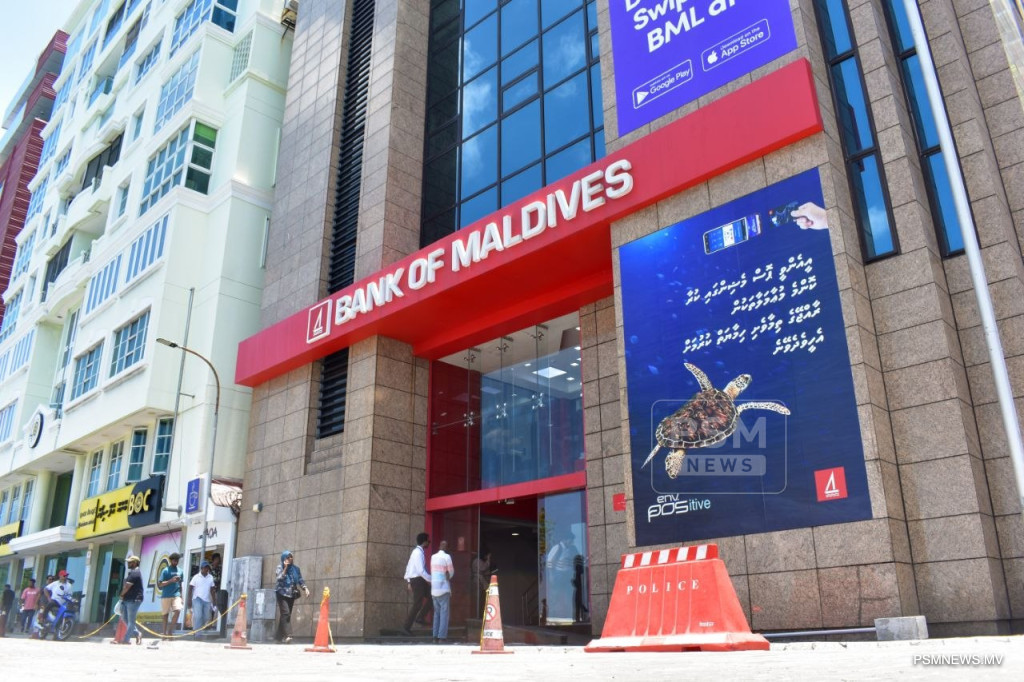
Bank of Maldives Denies Halting US Dollar Support for Local Businesses
The Bank of Maldives (BML) has officially dismissed rumors claiming the institution stopped providing US dollar support to local businesses for outgoing Telegraphic Transfers (TTs). In a firm statement, the nation's largest bank denied the allegations and reaffirmed its commitment to facilitating foreign currency transactions within established regulatory frameworks.
BML clarified that it continues to sell dollars to businesses for TTs, operating strictly within the pre-set limits allocated to each customer. While the bank confirmed that every business applying for a TT this month received assistance, it noted that high demand occasionally prevents the bank from fulfilling the total requested amount in a single transaction.
Despite a recent surge in remittances abroad—a trend BML attributes to ongoing unrest in the Middle East—the bank maintains that its foreign exchange liquidity remains strong. To illustrate the volume of activity, BML revealed that it sold a record USD 106.2 million for remittances during the first quarter of this year, averaging USD 35.4 million per month.
This figure represents a 142 percent increase compared to the average monthly sales of USD 14.6 million recorded previously. The demand remains high; in April alone, the bank has processed over 6,800 TTs. On a single Sunday, BML facilitated more than USD 900,000 across 327 separate transactions.
BML expressed regret over the dissemination of unverified information, warning that such rumors create unnecessary anxiety among customers and the general public. The bank stressed that as the sole source of accurate data regarding its transactions, it remains dedicated to supporting the economy by ensuring the availability of US dollars for critical imports, including food and other essential goods.
By providing these detailed figures, BML aims to stabilize market confidence and reassure the business community that the flow of foreign currency remains operational, albeit under the pressure of unprecedented demand.