Bank of Maldives Disburses USD 2.7 Million Daily to Support Economic Stability
The Bank of Maldives (BML) is currently disbursing an average of USD 2.7 million daily to facilitate card transactions, telegraphic transfers (TTs), and other essential foreign currency needs. The figures highlight the bank's critical role in maintaining liquidity for both the general public and the business sector amid a volatile global economic climate.
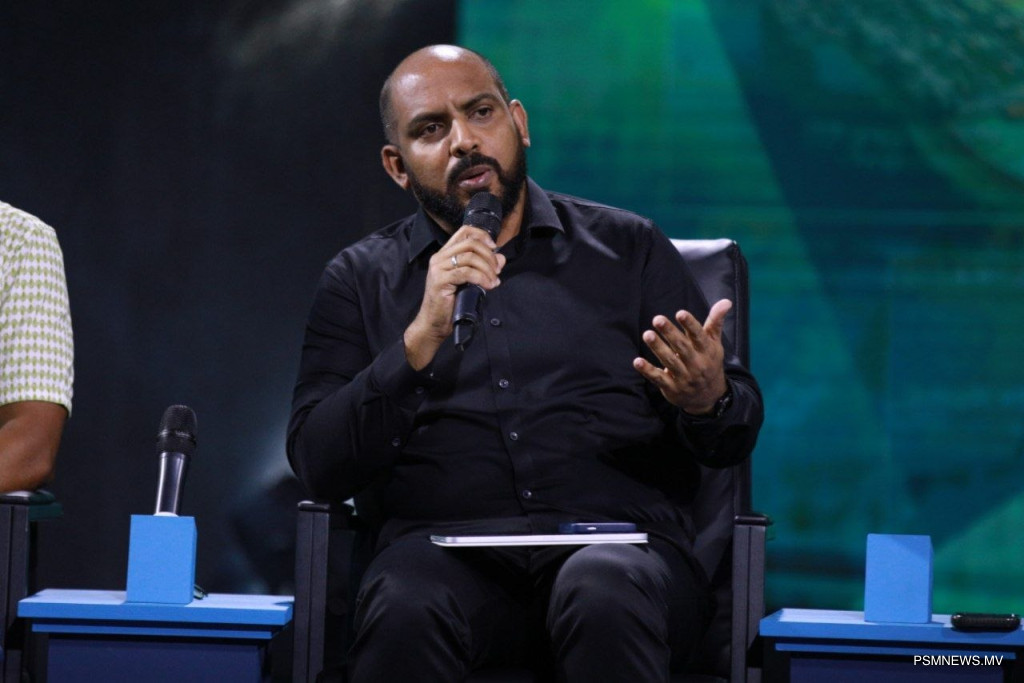
Speaking at the “Iqthisaadh Hamamagah” panel discussion organized by the Ministry of Economic Development and Trade, BML’s Head of Brand and Marketing Strategy, Mohamed Saeed, emphasized that the bank's operations are inextricably linked to the nation's economic performance. He noted that the Maldives faces ongoing challenges stemming from the Russia-Ukraine war and instability in the Middle East, which place pressure on a country deeply dependent on US dollars.
The scale of BML's foreign currency support is substantial. So far this year, the bank has sold USD 570 million at the official exchange rate and disbursed USD 270 million in loans. In the first six months of the year alone, the bank provided a total of USD 478 million in foreign currency to individuals and businesses.
There has been a marked increase in the accessibility and demand for cash. BML now provides approximately USD 1.2 million daily through its network of 86 ATMs. This is a significant rise from three years ago, when daily ATM withdrawals averaged around USD 600,000. Saeed attributed this growth to the strategic installation of ATMs across the atolls, bringing essential services closer to island communities.
Remittance and international spending have also seen sharp climbs. BML processed 311,722 remittance transactions totaling USD 166 million in the first half of the year, a 20 percent increase over the same period last year. Meanwhile, foreign spending via debit and credit cards reached USD 226 million, representing a 29 percent surge from the USD 175 million recorded previously. These trends underscore the increasing reliance on digital payment systems and the growing demand for foreign currency to sustain Maldivian trade and travel.