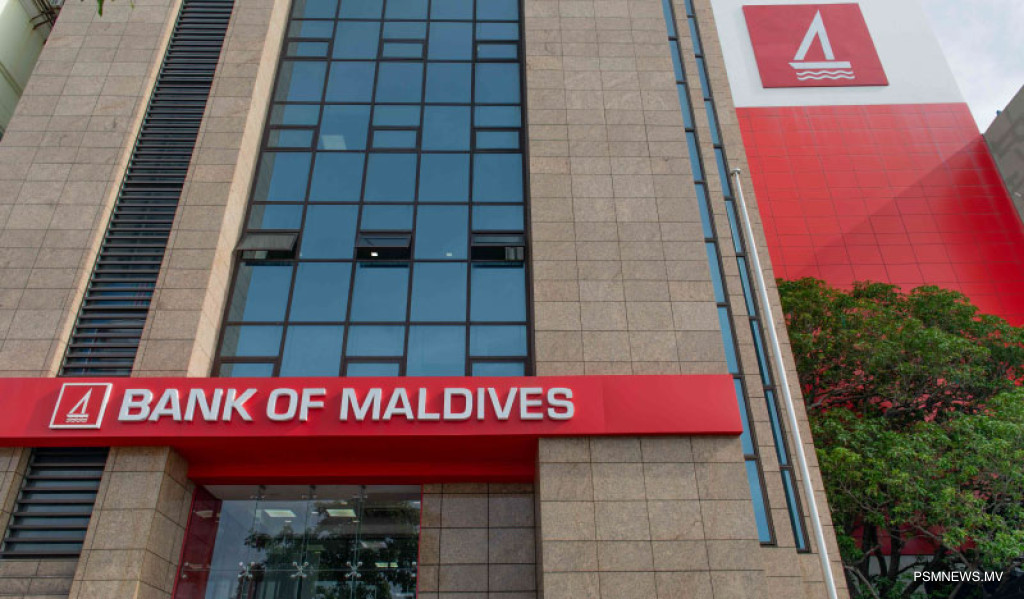
Bank of Maldives Eyes International Debt Markets to Boost Tourism Sector Funding
Bank of Maldives (BML) has concluded a series of productive discussions with institutional investors across Singapore, Hong Kong, and London, marking a strategic move to access international debt capital markets for the first time.
The non-deal roadshow, which took place from April 29 to May 8, 2026, is part of a broader initiative to secure external financing. BML intends to use this funding to fuel its expansion and solidify its position as the primary financial partner for the Maldives' vital tourism industry.
The urgency for expanded capital is underscored by the bank's growing tourism loan book, which reached USD 594 million by the end of April 2026. The demand for credit remains high, with approximately USD 35 million disbursed to tourism-related projects in the first four months of the year alone.
This push for international financing follows the most successful year in BML's 43-year history. The bank reports robust profitability and liquidity levels, with capital adequacy buffers that significantly exceed regulatory requirements. Because BML currently carries no external borrowings, leadership believes the bank can enter the global market from a position of significant financial strength.
Mohamed Shareef, CEO and Managing Director of BML, stated that the engagements with global investors were highly encouraging. According to Shareef, the positive reception reflects international confidence in both the bank's fundamentals and the overall economic outlook of the Maldives. He noted that diversifying the funding base is a critical step in scaling up support for the nation's key economic sectors.
As a cornerstone of the Maldivian financial system, BML maintains that it will balance this growth with a prudent risk management approach. The bank remains focused on delivering long-term value to its stakeholders while ensuring sustainable economic development across the archipelago.