Beneath Our Turquoise Waters, a Nation's Quiet Struggles
The morning sun catches the white foam cresting over the reef, painting our islands in that perfect postcard glow tourists pay thousands to witness. But beneath this surface beauty, other currents run deep and complex through our atolls.
In Malé, where buildings strain upward like coral competing for sunlight, the air carries the scent of salt and diesel. Young men gather on the seawall, their conversations tinged with the frustration of waiting - for jobs that never materialize, for opportunities that seem to float just beyond reach like mirages on the horizon. The sea that once meant freedom now feels like a barrier, the same waters that bring wealth through tourism also carrying away our brightest minds seeking education and work abroad.
There's a peculiar tension in watching luxury resorts bloom on nearby islands while families in the capital navigate the mathematics of survival - calculating rent against groceries, school fees against medicine costs. The same system that builds artificial islands for tourists struggles to provide adequate housing for those who call these shores home. The gap between the Maldives we sell and the Maldives we live grows wider with each passing season.
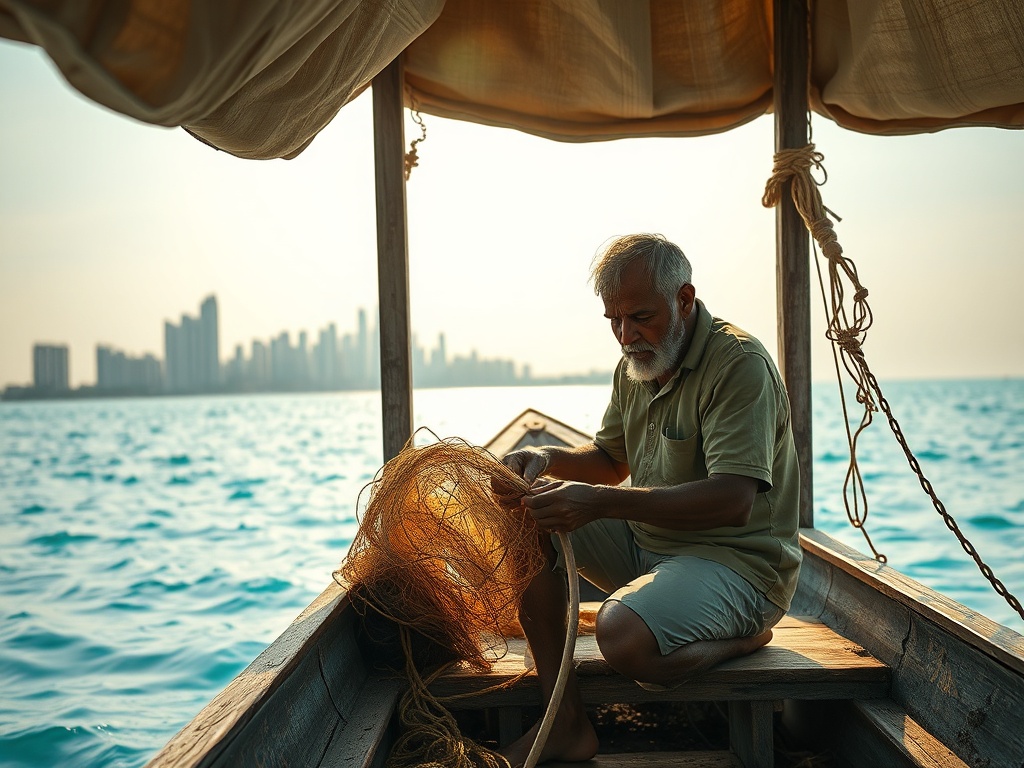
Yet in the early mornings, before the city fully wakes, you can still find moments of the old rhythm. Fishermen preparing their dhonis, their movements precise and practiced, connecting us to generations who understood these waters intimately. There's resilience in their daily ritual, a quiet determination that mirrors the patient work of the coral polyps building our islands grain by grain.
The challenge isn't just about economics or politics - it's about maintaining our soul amid rapid change. It's about ensuring that the Maldivian identity, forged across centuries of living with the ocean, doesn't become just another commodity packaged for visitors. The real work happens not in grand announcements or political rallies, but in classrooms where children learn both tradition and innovation, in small businesses adapting to new realities, in communities finding ways to support one another when systems fail.
As the day ends and the call to prayer echoes across the water, there's both weariness and hope in the air. The problems are real and complex, but so is the enduring spirit of a people who have always known how to navigate uncertain seas.
— Source fragments: High cost of living, housing crisis in Malé, youth unemployment and drug use, tourism economy benefits not reaching locals, expatriate competition for jobs, educational and healthcare challenges, the gap between tourist perception and local reality