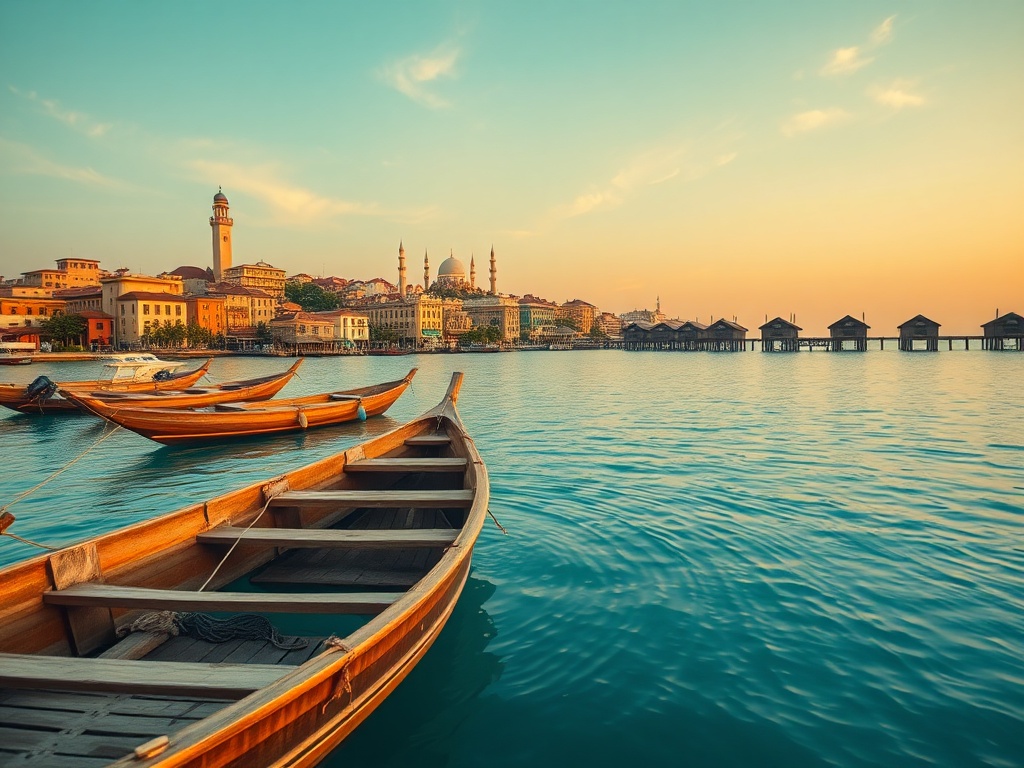
Beneath Our Turquoise Waters, Maldivian Hearts Still Beat with the Sea
The sea has always been our first teacher. It taught us patience, resilience, and how to read the subtle signs of changing tides. Today, as I walk along the thin strip of land we call Malé, I sense a different kind of current running through our islands—one that doesn't show up on any nautical chart.
In the early morning, when the fishermen still prepare their boats and the first tourist seaplanes haven't yet painted stripes across the sky, you can feel the city holding its breath. The air tastes of salt and diesel, of dreams deferred and opportunities circling just beyond reach like the gulls above the harbor. Young men gather at the local coffee shops, their education certificates folded carefully in drawers back home, their ambitions bumping against the hard edges of limited prospects.
Our homes tell their own stories. In the crowded neighborhoods where buildings lean toward each other like tired neighbors sharing secrets, you see the mathematics of scarcity at work. Families make space where there is none, stacking lives vertically while the horizon stretches endlessly blue in every direction. The housing projects that rise like concrete reefs promise sanctuary, yet many remain empty shells—investments rather than homes, their keys held by hands across oceans.
There's a particular quality to the light here in the late afternoon, when the sun softens and casts long shadows across the coral stone streets. It's the hour when the contradictions of our paradise become most visible. The resort islands glow like perfect emeralds in the distance, their luxury standing in stark contrast to the crowded reality most of us inhabit. The money flows in, but like the tide, it recedes just as quickly, leaving behind only the memory of its presence.
Yet in the spaces between these challenges, life persists with a stubborn grace. The grandmother selling fresh bodibeyo leaves at the market, her hands mapping decades of survival. The children playing football on any flat surface they can find, their laughter cutting through the weight of adult concerns. The fishermen who still read the ocean's moods better than any forecast, their knowledge passed down through generations like precious heirlooms.
We are learning to navigate these new currents, these complicated waters where tradition meets modernity, where global dreams meet local realities. The sea has always demanded that we adapt, that we understand the spaces between what appears on the surface and what moves in the depths. Perhaps that ancient wisdom is what we need most now—to recognize that beneath the turquoise perfection lies a complex ecosystem, and that our survival has always depended on understanding both the beauty and the struggle.
— Source fragments: Youth issues: unemployment, lack of educational/job opportunities; Housing crisis in congested capital; Tourism is main forex source but resort owners park money abroad; High cost of living; Heavy import reliance; Expatriate competition for jobs; Housing projects politicized and subleased for profit