Beneath Our Turquoise Waters, Silent Struggles Stir
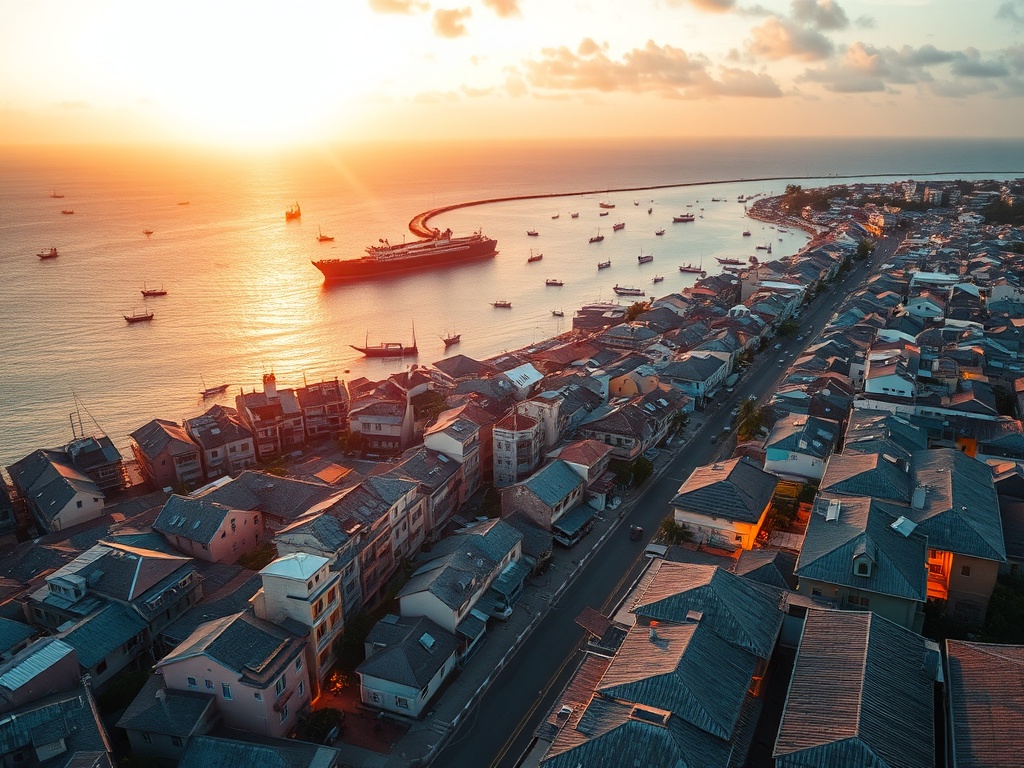
There is a particular quality to the light in the Maldives just before sunset—when the sun bleeds orange across the water and the shadows stretch long across the crowded streets of Malé. In these moments, the islands hold their breath. The postcard perfection of turquoise lagoons and white sand beaches feels distant from the reality of daily life, where the sea that defines us also confines us.
Young men gather on the harbor wall, their conversations hushed against the evening breeze. They speak of jobs that don't exist, of qualifications that don't translate to opportunity, of the gnawing sense that the world is moving while they remain anchored. The sea has always been our livelihood, but now it feels like a moat separating us from possibility. In their eyes, you see the reflection of a generation caught between tradition and aspiration, between the familiar rhythm of island life and the siren call of something more.
Across the city, in cramped apartments stacked like shipping containers, families calculate the week's expenses against rising prices. The mathematics of survival grows more complex each month—the cost of rice, of fuel, of medicine. There's a quiet dignity in how they manage, a resilience forged through generations of living on these fragile atolls. Yet the strain shows in the tightness around a mother's eyes as she portions out the evening meal, in the way a father stares at the sea as if searching for answers in the tide.
This is the Maldives that exists beneath the glossy brochures—a place of profound beauty and equally profound challenge. The same ocean that brings tourists in luxury yachts also reminds us of our isolation. The same coral reefs that draw wonder from visitors are threatened by a changing world. We navigate these contradictions daily, finding ways to sustain both our economy and our souls.
Yet in this tension, there is also extraordinary resilience. The Maldivian spirit has always been one of adaptation—of building communities on specks of land in a vast ocean, of finding ways to thrive against geographical odds. This resilience now turns inward, facing economic currents and social shifts with the same determination our ancestors faced monsoons. The hope isn't in grand solutions or political promises, but in the small, steady acts of community—the neighbor who shares what they have, the fisherman who teaches his craft to a younger generation, the quiet determination to preserve what makes these islands home, even as the world changes around us.
— Source fragments: