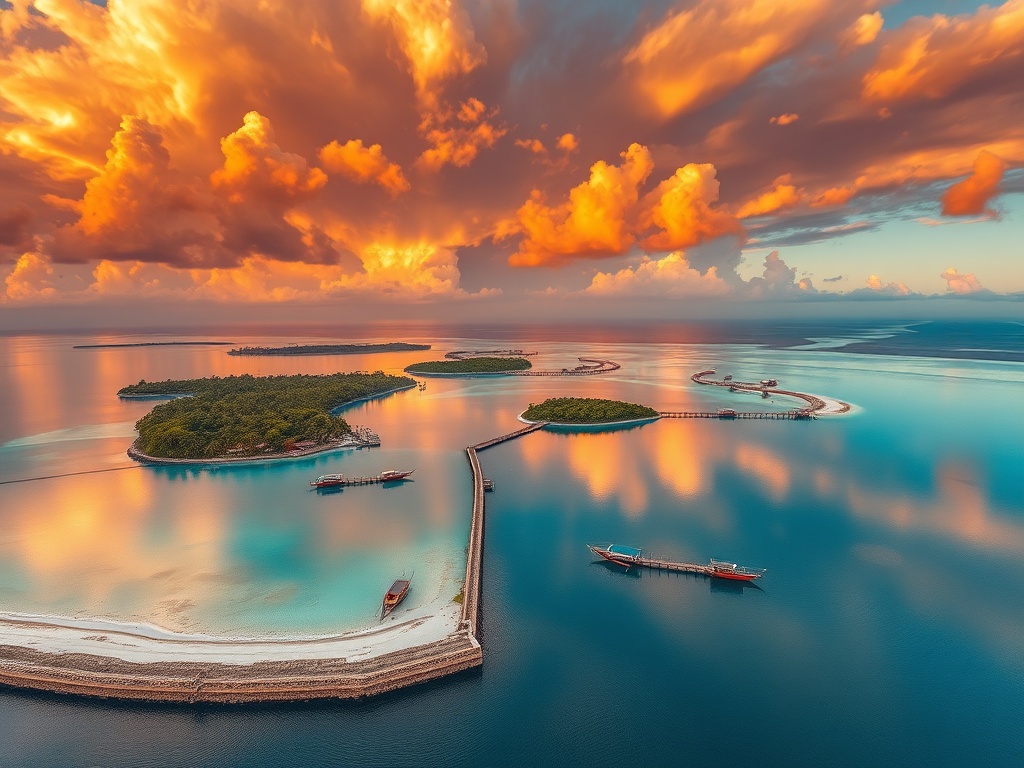
Beneath the Coral Walls: The Maldives' Search for True Self
The afternoon sun casts long shadows across the coral stone walls of Malé, the sea breeze carrying both the salt of the ocean and the tension of unspoken grievances. In coffee shops and on ferries between islands, conversations echo with a familiar refrain: "This is where we are now.
Addu, the southern atoll once known for its distinct dialect and resilient community spirit, now finds itself caricatured in national discourse. The stereotypes—Foni, Kiburveri, Hasadhaveri—once whispered in passing, have become weapons in the political arena. When someone from Addu themselves expresses shock at the hatred emanating from their own community, it reveals a deeper fracture. How did we become so skilled at seeing the splinter in our neighbor's eye while ignoring the beam in our own?
Meanwhile, in courtrooms where administrative processes are deliberately delayed to deny basic rights, and in offices where government positions are treated as political spoils, the system shows its wear. The accused transported between locations, remand hearings held in obscure magistrate courts—these are not just procedural failures but symptoms of a deeper moral exhaustion.
An observer might wonder: was Raajje always waiting for Western wealth to reveal its consumerist soul? Or have we simply traded one set of values for another throughout history, adapting our beliefs to the geopolitical currents? The authentic voice in such an environment becomes either silenced or labeled insane—the ultimate irony in a society that prizes conformity above all.
The southern islands feel this exclusion acutely. "They always exclude the South as if we don't belong here," someone says, and in that simple statement lies generations of perceived marginalization. Meanwhile, the narrative machinery grinds on, reducing complex identities to simplistic categories, flattening the rich tapestry of Maldivian experience into political talking points.
Yet beneath the posturing and polarization, the sea remains constant. The same waters that separate our islands also connect us. Fishermen still mend their nets at dawn, mothers still prepare mas huni for their families, children still learn to swim in the lagoon. These rhythms persist, reminding us that authenticity might not be found in grand political statements or social media battles, but in the quiet consistency of daily life—in showing up, listening, and remembering that across these scattered islands, we're all navigating the same turbulent waters.
— Source fragments: was short sighted during campaign, and this is where we are now; I always wondered where these stereo types like Foni, Kiburveri, Hasadhaveri were associated with Addu meeha; After denying the right to legal counsel; was raajje always a rotted valueless consumerist society; in a posturing fake society, the authentic one would be considered stupid; They always exclude the South as if we don't belong here