Beneath the Sun’s Glow, Our Silent Wait
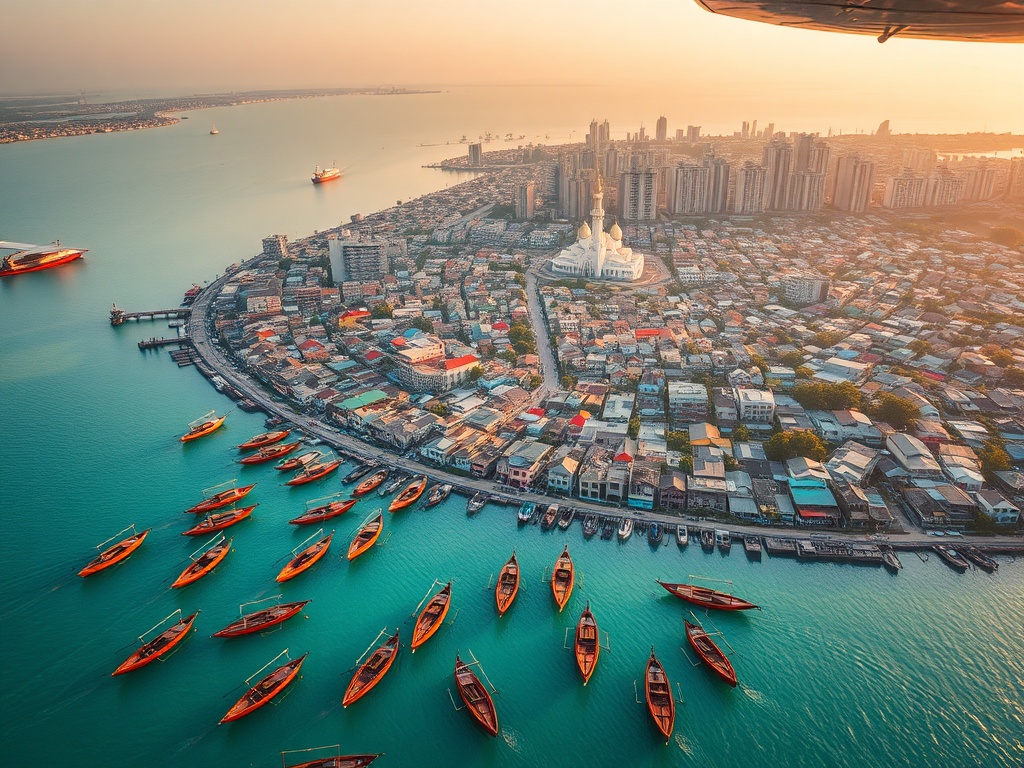
The sun beats down on the tin roofs of Malé, and beneath the surface shimmer of our island life, there is a quiet waiting. It's in the queue at the pharmacy where shelves stand half-empty, in the eyes of young graduates scrolling through job listings that never refresh, in the cramped living rooms where families calculate how long until they might afford a place with space to breathe.
Our islands have always been defined by the sea around us—both its abundance and its barriers. Today, that metaphor extends to our daily existence. The currents that once brought traders now carry away our brightest minds, our hard-earned currency, our medicines. What remains is a peculiar tension between the postcard perfection of our beaches and the crowded reality of our capital, where housing becomes not just shelter but political currency.
Yet in this waiting, there is resilience. It's in the fisherman who still reads the waves with ancestral knowledge, in the teacher who makes one textbook serve thirty students, in the small shop owner who extends credit knowing the struggle is shared. These aren't grand political statements but daily acts of endurance.
The sea teaches patience. Tides recede and return. Storms pass. Perhaps that's why we persist—because we understand cycles. The frustration isn't in the struggle itself, but in watching systems meant to help instead become obstacles. When housing projects become political trophies, when healthcare requires crossing oceans, when opportunity feels like something that happens elsewhere.
But still, the dhoni sails at dawn. Still, the nets are cast. Still, we find ways to share what little we have. Because beneath the political noise and economic pressures, there remains the fundamental truth of these islands: we are people who know how to wait out storms, who understand that the lowest tide eventually turns, and who believe that our collective endurance might yet shape currents of change.
— Source fragments: High cost of living, housing crisis in Malé, youth unemployment, medicine shortages, expatriate competition, educational opportunities