Beneath the Turquoise: The Maldives' Unspoken Heartache
The sea breeze carries more than salt these days. It carries whispers—of flats left empty by owners overseas while families squeeze into single rooms in Malé, of young graduates scanning job boards with fading hope, of medicine cabinets holding more dust than relief. These are the quiet struggles that don't appear on postcards.
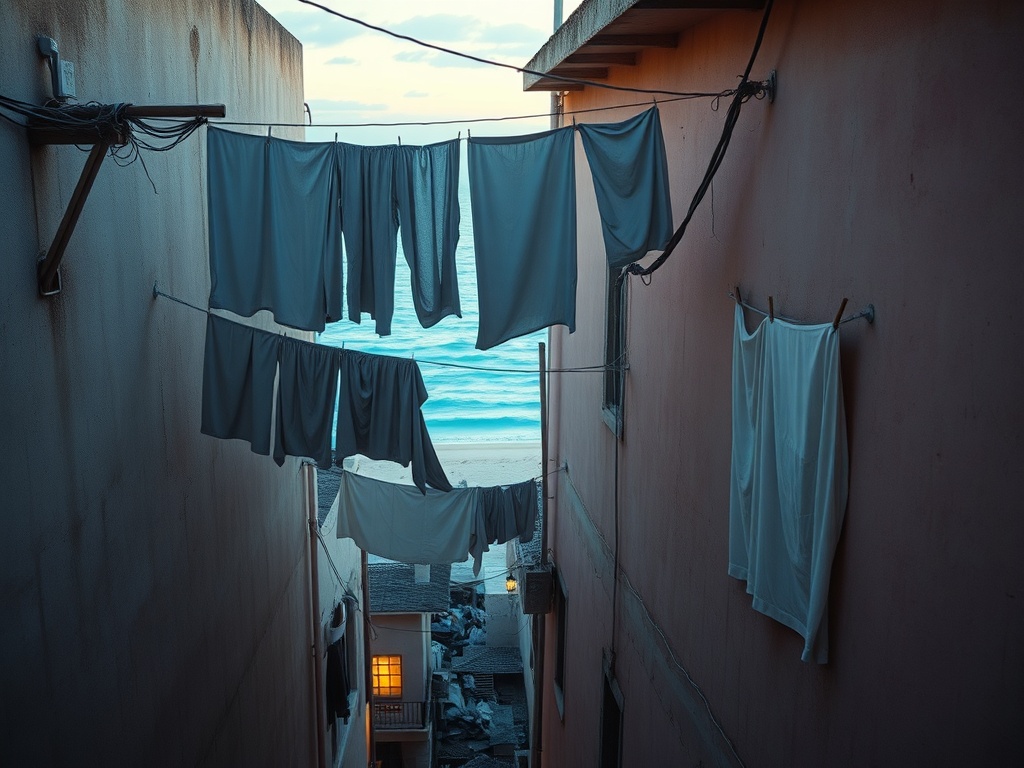
In the narrow alleys between coral-block buildings, life unfolds in layers. Upstairs, a grandmother counts the days until her medical referral comes through, while downstairs, a young man studies for exams he fears won't lead anywhere. The ocean that surrounds us should feel like freedom, but for many it's becoming a barrier—separating us from opportunities, from healthcare, from the basic stability every human deserves.
There's a particular ache in watching your childhood friends leave—not for resort jobs that might actually use their degrees, but for entry-level work abroad because the local economy can't absorb their ambitions. Meanwhile, new faces arrive daily, filling jobs that should belong to our youth, creating an uneasy coexistence where everyone feels temporary, rootless.
The housing blocks stand as concrete monuments to promises made and compromised. Some units remain dark while families double up nearby, a paradox of scarcity amid supposed abundance. It's in these spaces that you feel the disconnect most acutely—between political rhetoric and lived reality, between the Maldives we're sold and the Maldives we inhabit.
Yet even as foreign currency drains away and prices climb, there's resilience in how communities adapt. Neighbors still share meals across balconies, fishermen still read the tides with ancestral knowledge, and the call to prayer still unifies every crowded street. These traditions anchor us when everything else feels adrift.
What we're navigating isn't just economic or political—it's existential. How do we preserve what makes us Maldivian while adapting to forces beyond our control? How do we build futures worthy of our children's dreams? The answers won't come from campaign posters or development projects alone, but from honest conversations in tea shops and family gatherings, in the quiet moments when we acknowledge both the beauty and the brokenness of our island home.
— Source fragments: Housing crisis in congested capital, youth unemployment and lack of opportunities, inadequate healthcare and medicine shortages, high cost of living, economic pressures on families