Beneath the Turquoise: The Unseen Weight of Paradise
The sun beats down on the white sand, the same sun that draws tourists to these islands from across the world. They see the turquoise water, the overwater villas, the promise of escape. But for those who call these scattered atolls home, the view from the shore carries different reflections.
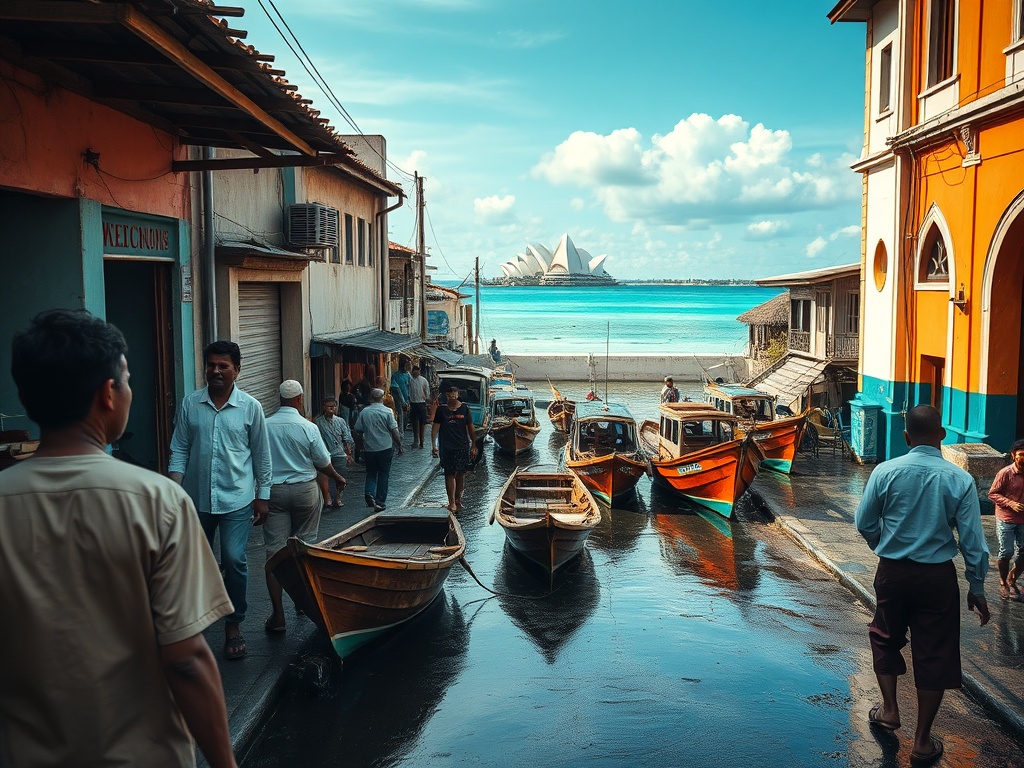
In the narrow streets of Malé, the air hangs heavy with more than just equatorial humidity. It carries the weight of prices that climb faster than wages, of dreams that seem to shrink with each passing season. The youth gather in corners, their education complete but their futures uncertain, watching as opportunities drift past like boats heading to resort islands they cannot afford to visit. The promise of work often leads to competition—not just with each other, but with faces from distant lands who fill jobs while sending earnings back to families elsewhere, leaving little behind but depleted resources.
Homes become symbols of both hope and frustration. Government flats, meant as shelter for those squeezed by the capital's congestion, sometimes become someone else's investment property, their intended occupants waiting while paperwork gathers dust. The medicine cabinet might sit half-empty, a silent reminder that adequate healthcare requires a journey across oceans that few can afford.
Yet life persists with a quiet determination. The fisherman still mends his net as his father taught him, though the catch seems smaller each year. The shopkeeper arranges imported goods, calculating margins that grow ever thinner. There's a resilience in the way people navigate these pressures, finding moments of joy in shared meals, in the cooling evening breeze, in the certainty of the prayer call cutting through the chaos.
This is the Maldives that doesn't appear in brochures—not a paradise lost, but a homeland grappling with the complex reality of maintaining identity and dignity in a world of competing demands. The ocean that surrounds these islands both connects and isolates, reflecting both the beauty and the burdens of living in a nation perpetually navigating the space between global expectations and local realities.
— Source fragments: