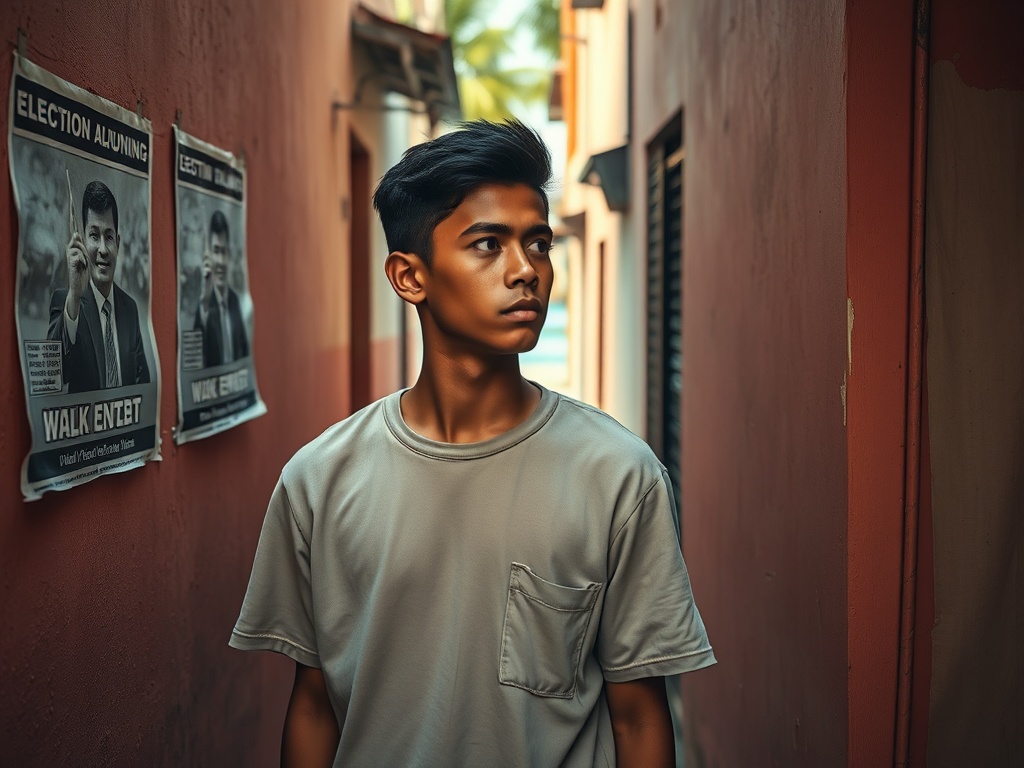
Between Failed Promises and Empty Opposition, Maldivian Voters Pause
In the quiet conversations across Maldivian coffee shops and social media platforms, a familiar frustration echoes through the political discourse. Voters find themselves caught between a government that has failed to meet expectations and an opposition that appears equally disinterested in meaningful reform.
The current administration's performance has become a source of widespread disappointment, with many questioning where leadership priorities truly lie. The sentiment that "these two seem to be complete trash" reflects a deeper crisis of political representation that transcends party lines. When citizens feel compelled to choose between unsatisfactory options, democracy's promise begins to fray at the edges.
This voter disillusionment manifests in what some describe as a "necessary and beautiful part of democracy"—the tactical voting calculation. Yet there's nothing beautiful about selecting a candidate primarily because alternatives appear worse. The political landscape has become so polarized that many voters feel they're not choosing the best candidate, but rather the least objectionable one.
The enthusiasm shown by certain constituencies for the ruling party suggests that political allegiances remain strong in some quarters, even as governance challenges mount. This creates a complex electoral calculus where voters must weigh party loyalty against performance, ideology against practical outcomes.
The fundamental problem lies in the perception that neither major political force demonstrates genuine commitment to addressing systemic issues. When voters declare they would stick with their choice even if better options emerged, it speaks to a deeper political entrenchment that transcends rational policy evaluation.
This political stalemate reflects broader challenges in Maldivian democracy—where personality often trumps policy, and tribal loyalty overrides performance assessment. The result is a political marketplace where voters feel they're shopping for the least bad product rather than the best available leadership.
As election cycles continue, this dynamic risks creating a permanent class of reluctant voters—citizens who participate not out of hope or inspiration, but from a sense of civic duty mixed with resignation. The true test for Maldives' democratic institutions will be whether they can evolve beyond this binary choice toward a more responsive and accountable political culture.
— Source fragments: Voter preference declarations, performance criticism of current leadership, opposition ineffectiveness, tactical voting rationale, political disillusionment