Between Faith and Freedom: The Search for an Alternative Narrative
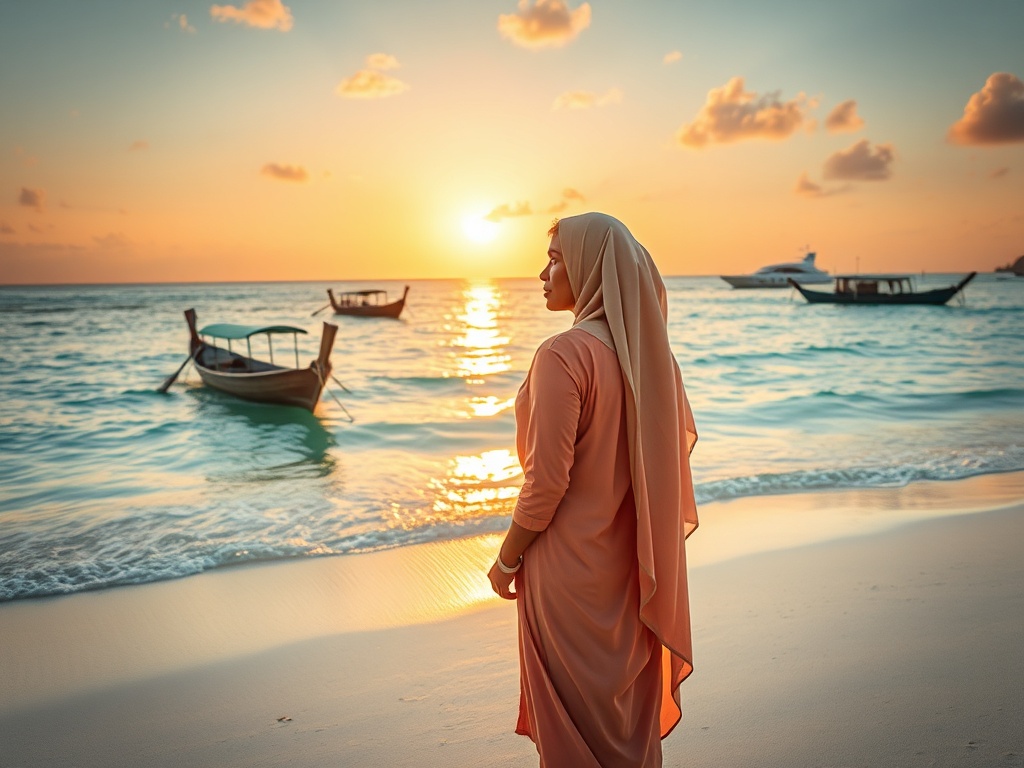
The sea breeze carries more than salt these days. It carries questions. From the crowded streets of Malé to the quiet shores of distant atolls, there's a restlessness in the air—a quiet conversation happening in tea shops and living rooms, on ferries and smartphones. A young woman adjusts her hijab while scrolling through global news, wondering about the space between what the constitution says and what lives in people's hearts.
'I am new on Maldivian society,' one voice says, and in that admission lies the entire dilemma of our times. We are all newcomers to this moment, where ancient traditions meet modern aspirations. The call for an 'alternative narrative' echoes not as rebellion, but as evolution—a recognition that progress and faith need not be adversaries.
There's weariness in the repetition of certain truths. 'I believe the Maldives is a 100% Muslim country'—said once, twice, three times—as if repeating it might make it feel more true for everyone. But truth, like the ocean, has many depths and currents. Another voice counters: 'This is not a 100% Muslim country. I'm a Maldivian non-Muslim. We exist.' And in that quiet assertion, the complexity of our national identity reveals itself.
We speak of media that cannot be independent, of justice that feels selective, of systems where 'donations are bribes' and 'natural resources are for humanity.' These aren't just complaints; they're the growing pains of a society learning to articulate what it wants to become.
The frustration isn't with Islam itself, but with what some perceive as its political instrumentalization. 'The Taliban fikuru is a most corrupted fikuru,' someone observes, drawing lines between religious practice and governance. There's fear of going 'back 50-60 years,' of being 'still behind 100 years back.'
Yet beneath the anger lies something more tender: a longing for authenticity. 'You just wear the Burga because you are pushed to wear it,' one tweet suggests, touching on the universal human desire to choose rather than be compelled.
We are learning that democracy isn't just about majority rule, but about protecting minority voices. That development isn't just about technology expos with 'only 12 outlets,' but about creating spaces where ideas can flourish without fear. That being educated means more than knowing English words—it means understanding human dignity.
The search continues, not for rejection of who we are, but for a fuller expression of what we might become. In the golden light of sunset over the Indian Ocean, there's room for both prayer and progress, for tradition and innovation. The alternative narrative we seek might not be a new story, but a deeper reading of the one we're already living.
— Source fragments: "The maldives should find an Alternative narrative. Like Anni said." "I believe the Maldives is a 100% Muslim country" "This is not a 100% Muslim country. Im a maldivian non muslim. We exist." "You just wear the Burga because of you are pushed to wear it." "I feel you are still 200 years behind." "The Taliban fikuru is a most corrupted fikuru" "You are fully misunderstood on Democratic values" "I am new on Maldivian society"