Between Faith and the Future: A Nation's Quiet Struggle
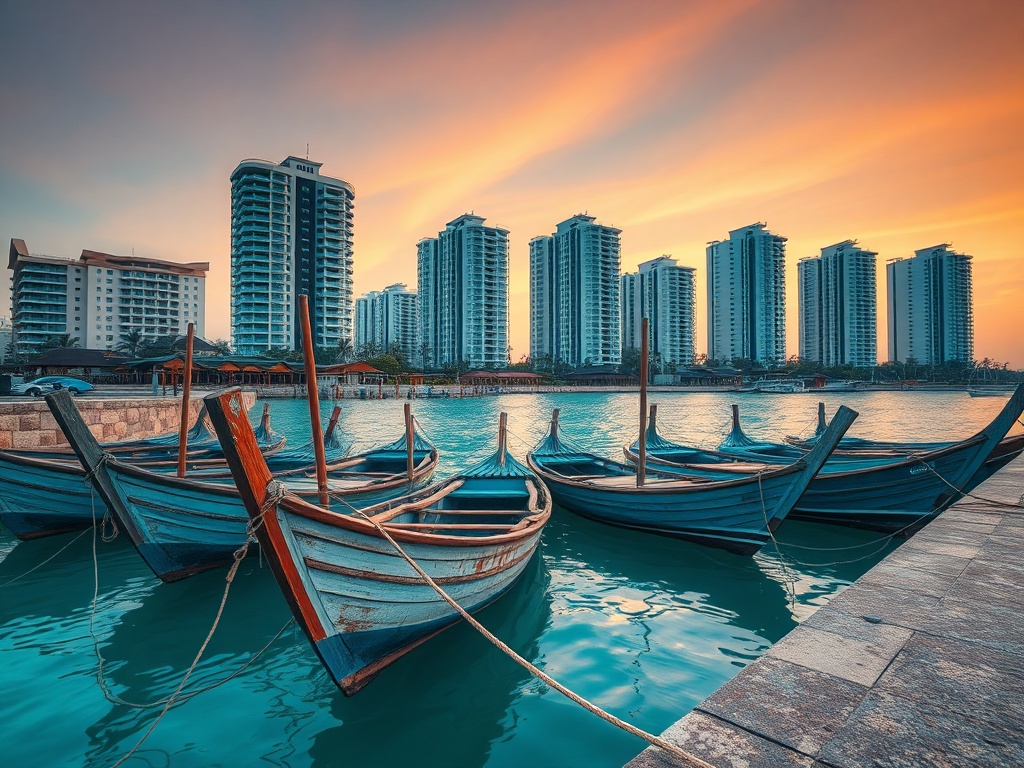
The sun sets over Malé, casting long shadows across the crowded streets where conversations simmer just beneath the surface. A former minister moves to a human rights commission, and in living rooms across the islands, people exchange knowing glances. They've seen this dance before—the same faces in different chairs, the same promises wrapped in new language.
A young man from B. Atoll travels to the capital for a technology expo, expecting innovation, but finds only twelve outlets. His disappointment mirrors a larger unease—the sense that while the world advances, something here remains stubbornly anchored in old patterns. He watches as debates unfold online, where voices clash over what it means to be Maldivian, what democracy should look like, and where true justice resides.
'No one believes in justice in their heart,' someone writes, and the words hang in the humid air like unanswered questions. There's talk of an 'alternative narrative,' a path forward that honors tradition while embracing progress. The tension is palpable—between those who see prayer as sufficient for salvation and those who argue that faith must walk hand-in-hand with accountability. Between those who declare this a 100% Muslim country and those who whisper, 'We exist too.'
In the spaces between official statements and public protests, ordinary lives unfold. Parents worry about their children's education, young graduates scan job listings with fading hope, and elders watch the horizon with concern. The natural resources that surround these islands—the turquoise waters, the abundant marine life—feel both like blessing and burden. How should they be managed? For whom? These questions ripple through conversations in tea shops and ferry docks.
There's a longing for intellectual honesty, for media that speaks truth without fear, for institutions that stand independent of political winds. The disappointment isn't just about one appointment or one policy—it's about the slow erosion of trust, the quiet resignation that settles when people stop expecting better.
Yet beneath the cynicism, hope persists. It's in the student who studies late into the night, the entrepreneur who opens a small business despite the obstacles, the artist who finds new ways to tell old stories. The Maldivian spirit, resilient as the coral that withstands changing tides, continues to seek a balance between honoring the past and building a future worthy of the next generation.
— Source fragments: Former minister to HRCM appointment, technology expo disappointment, 'alternative narrative' discussions, tension between religious identity and progress, natural resource management concerns, media independence questions, generational divides in perspective