Between Overtime Pay and Tea Shop Arguments
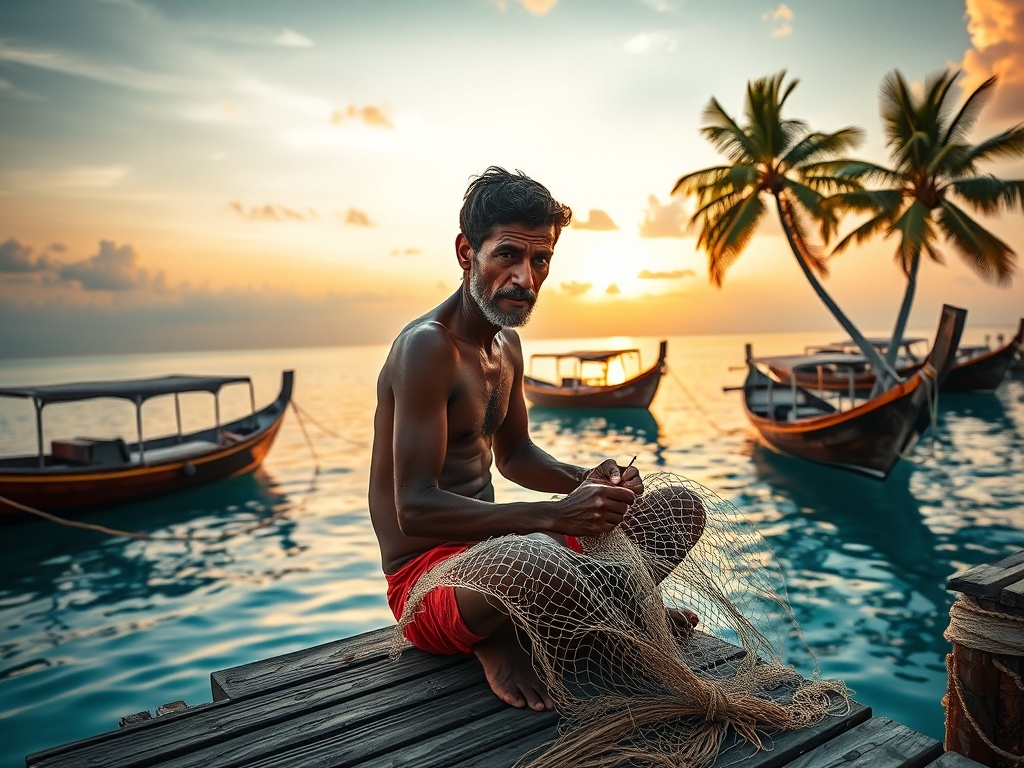
The sea teaches us about balance—the ebb and flow, the push and pull. Lately, I've been hearing this same rhythm in the voices around me, in the tea shops and family gatherings across our islands.
Some defend the government's decisions with practical logic. "Overtime means work done after regular hours," one person insists, arguing that not every policy deserves criticism. There's a weariness in this defense, a plea to acknowledge when things are done right. "Are you incapable of finding anything good?" they ask, suggesting that constant criticism blinds us to genuine progress.
Others look beyond the immediate debates toward broader horizons. "Tourism businesses are in the private sector," someone notes, reminding us that our economy needs more pillars. The call for diversification isn't new, but it grows more urgent as we recognize the untapped potential in other sectors. The government's role in actualizing this potential becomes a recurring theme—how policy must evolve to meet changing needs.
Beneath these policy discussions run deeper currents about fairness and identity. "Everyone should have fair and equal land rights," a voice asserts quietly, touching on one of our most fundamental struggles as islanders living on limited land. This isn't just about property—it's about belonging, about having a stake in the nation we call home.
Then comes the wisdom of tradition, the kind that can't be legislated but sustains us nonetheless. "My grandma fixed my school anxiety and scalp eczema with Dhivehi Beys," someone shares, reminding us that healing often comes from the knowledge passed through generations, from remedies that understand our climate, our bodies, our way of being.
Even bold policies like the generational smoking ban reflect this complex dance between progress and preservation. The law aims to protect future generations, a noble goal that still requires careful implementation and cultural sensitivity.
What emerges isn't a simple for-or-against narrative, but something more nuanced—the recognition that building a nation requires both appreciation for what works and the courage to demand what could work better. The sea doesn't choose between high tide and low tide; it needs both to remain healthy. Perhaps we need both perspectives too—the critical eye and the grateful heart—to navigate these challenging waters together.
— Source fragments: Government policy defense, economic diversification needs, land rights equality, traditional Dhivehi Beys healing, smoking ban policy