Between Sunset and Curfew, a Hashtag Echoes in Maldivian Jails
In the quiet hours between sunset and curfew, a conversation echoes across Maldivian social media—one about justice, or the conspicuous absence of it. The term #EndVaanuvaa has become more than a hashtag; it is a collective cry against a system where detention without trial has become routine, where courtrooms feel like political stages, and where the line between justice and punishment blurs beyond recognition.
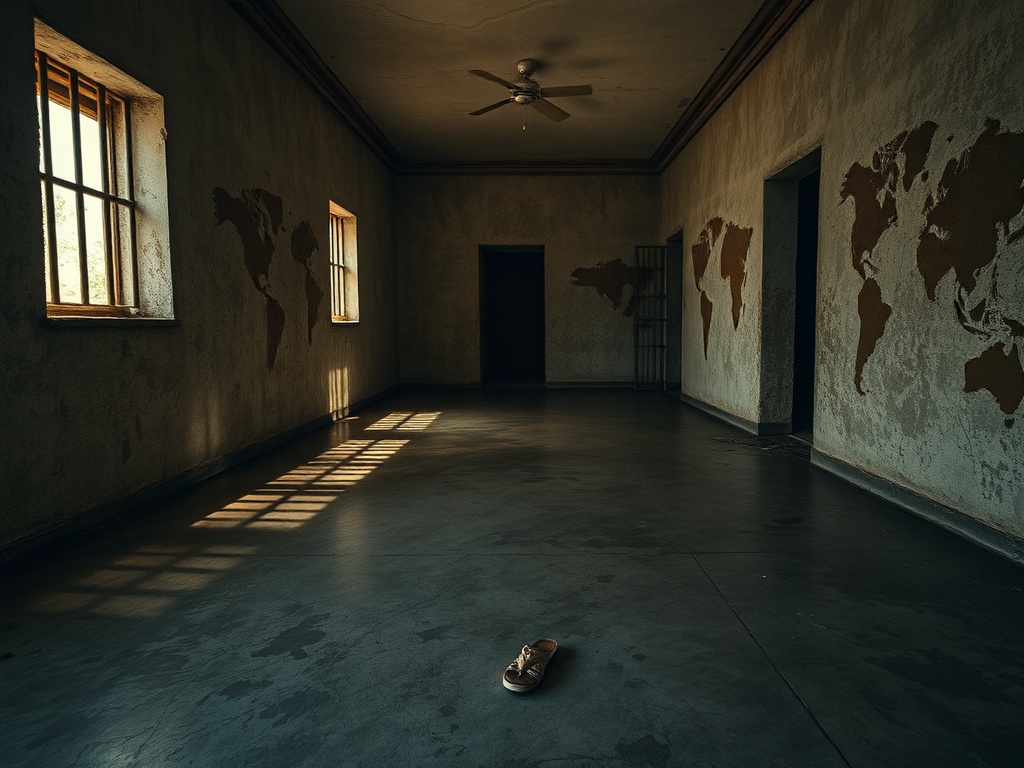
At the heart of this outcry lies the story of indefinite remand—a legal limbo where individuals are held for months, sometimes years, without conviction. They wait in overcrowded cells, some leaking water, many deprived of adequate yard time, their lives suspended by procedural delays. One voice recalls spending twenty-four hours with an inmate who had already endured six months in remand. "I know very well how this works," they wrote. "And it is inhumane however you see it."
This is not merely about prison conditions. It is about a pattern—of minor infractions escalated into major cases, of selective prosecution, of a system that appears to reward political loyalty over legal integrity. Critics point to the paradox of celebrating historical milestones while alleged masterminds of past violence walk free. They note the irony of a nation that spends millions commemorating November 3rd, yet allows those accused of orchestrating its darkest days to live undisturbed in Addu.
Then there are the cases that defy logic: a father of four sentenced to 27 years for refusing to work with foreign agencies, or the notion that returning stolen funds absolves theft. These are not isolated incidents but symptoms of a deeper malaise—a justice system perceived as malleable, susceptible to influence, and increasingly detached from the principles of fairness.
Yet, even within the chorus of condemnation, there is nuance. Some argue that while ending vaanuvaa is necessary, accountability cannot be forgotten. Released offenders who reoffend remind the public that justice must balance mercy with consequence. What is needed, they say, are fair trials, transparency, and timely resolutions—not the abandonment of responsibility.
But for many Maldivians, the issue is more visceral. It is about the young girl prosecuted for a minor, non-violent infraction. It is about the inmate whose body bore signs of brutality. It is about the creeping realization that, until the system touches one's own family, its flaws remain abstract. "When it does," one voice warns, "they will realise how deeply entrenched this systematic torture is."
Beneath these stories lies a quiet dread—the fear that anyone, at any time, could be swept into this machinery. That a trivial misstep could lead to years in remand. That the absence of violence or damage does not guarantee leniency. This anxiety fuels the demand for change, not as a political slogan, but as a humanitarian imperative.
The movement to end vaanuvaa is, at its core, a plea for dignity. It is a call to remember that every person, regardless of accusation, deserves a fair trial and humane treatment. It is a challenge to a nation celebrating its progress while ignoring the shadows in its justice system. And it is a reminder that in the end, the measure of a society is not how it treats its most powerful, but how it treats its most vulnerable.
— Source fragments: Prosecuting young girl for minor infraction; indefinite detention without trial; overcrowded cells with water leaks; political show trials; selective justice; humanitarian call to end vaanuvaa; personal experiences with remand system