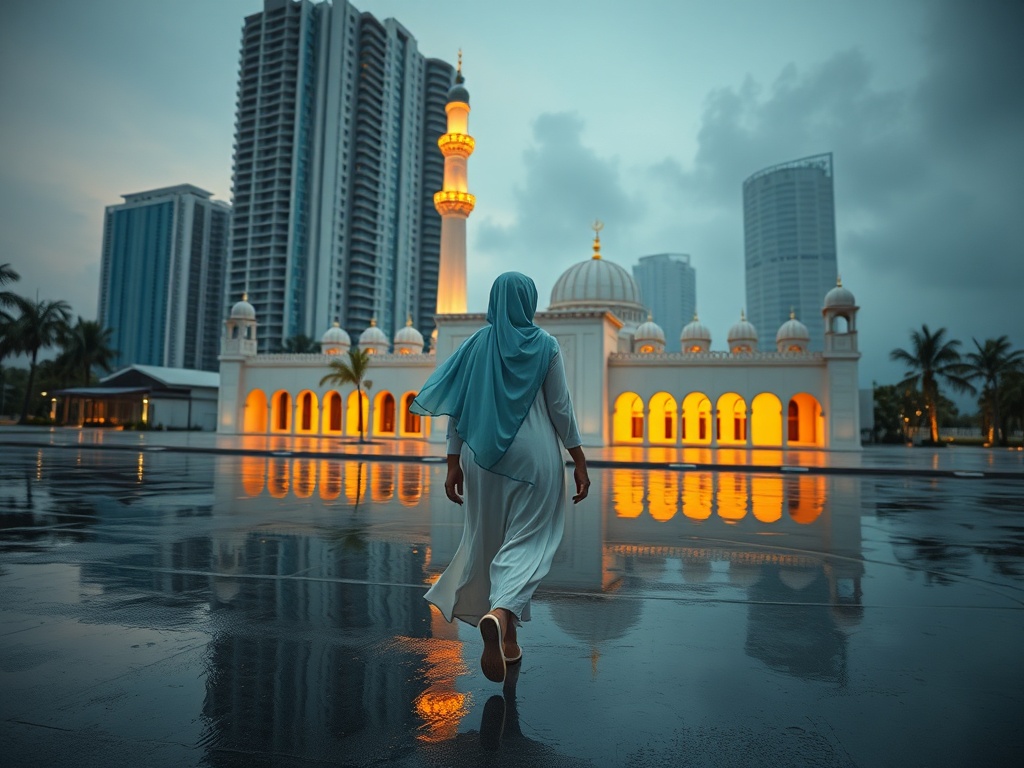
Between the Azan's Call and the Speedboat's Hum
In the quiet spaces between the azan's call and the tourist speedboats' hum, a complex conversation about faith, identity, and belonging unfolds across the Maldives. The archipelago's 100% Muslim identity, enshrined in law and culture, faces new questions in an interconnected world where ideas cross oceans as easily as monsoon winds.
The debate often centers on citizenship and religious exclusivity. The legal framework that restricts citizenship to Muslims draws both fierce defense and quiet questioning. Supporters view it as essential protection of the nation's Islamic character, a bulwark against what they see as corrosive external influences. Critics, however, increasingly frame it as a question of basic rights in a world where democratic nations typically embrace religious pluralism.
Social media has become the modern majlis where these tensions play out. Young Maldivians navigate competing narratives—religious orthodoxy, global trends, political ideologies—often finding themselves caught between tradition and the appeal of international discourse. The phenomenon of religious views becoming intertwined with political stances, particularly on international issues, reveals how local faith identity is increasingly projected onto global conflicts.
The discussion extends to gender and interpretation. Some advocate for what they see as purer Islamic practices, criticizing what they consider cultural accretions from previous generations. Others express concern about rigid interpretations, particularly regarding women's rights and personal freedoms, arguing that faith and modernity need not be opposing forces.
Meanwhile, practical governance challenges persist beneath the theological debates. The same society grappling with these profound questions also faces drug epidemics among youth, housing shortages in Malé, and an economy heavily dependent on tourism while struggling with foreign currency reserves. Some observers note that intense focus on religious purity sometimes distracts from addressing these pressing socioeconomic issues.
The conversation reflects a nation at a crossroads—proud of its Islamic heritage yet increasingly aware of its global connections. As Maldivians debate what it means to be both Muslim and Maldivian in the 21st century, they're navigating the delicate balance between preserving identity and engaging with a changing world. The outcome will shape not just religious discourse but the very fabric of Maldivian society for generations to come.
— Source fragments: Maldives has a law that they don't give citizenship to non-muslims; believers risk everything for their faith; discussion of Big Bang theory versus Quranic creation; comments on religious interpretation and women's rights; questions about democracy and religious pluralism